
How To
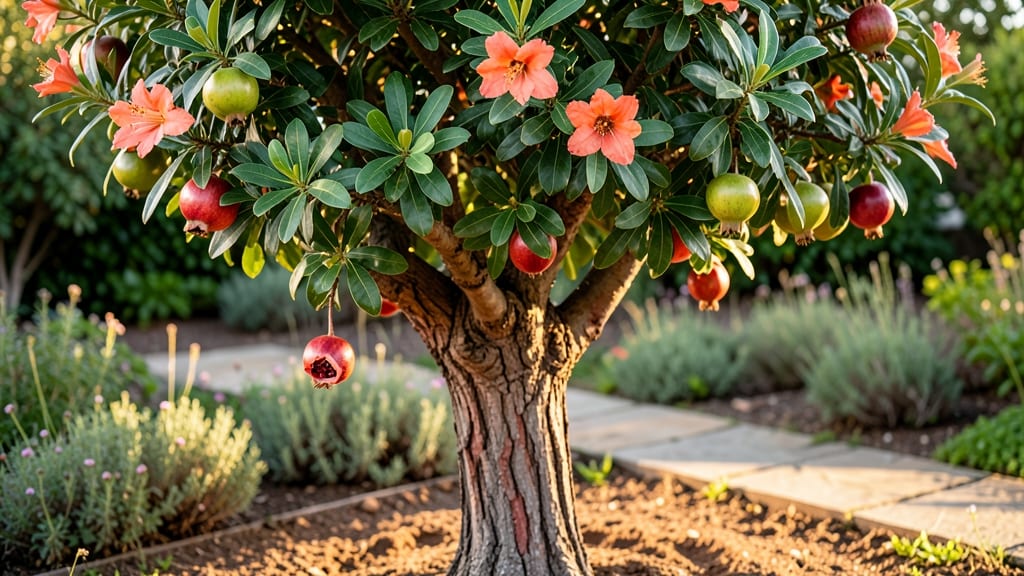
A pomegranate tree grows between 6 and 30 feet tall, depending on the variety and care you give it—so your backyard’s new centerpiece could end up as a towering shade tree or a manageable shrub.
Picture this: a 20-foot tree casting shade over your patio one year, then a 5-foot dwarf variety in a pot on your balcony the next. The difference isn’t just luck—it’s all about choosing the right type and pruning it correctly from day one.
Standard varieties like ‘Wonderful’ can reach 25 feet if left unchecked, while dwarf types like ‘Eversweet’ stay under 6 feet, making them perfect for containers. Even if you love the idea of a full-size tree, a little strategic pruning can keep it at a manageable height without sacrificing fruit.
Below, I’ll break down the exact height ranges for each type, how to control growth naturally, and the one pruning trick that keeps trees both productive and compact—no matter how much space you have.


Standard pomegranate tree height: how big can they really grow?
If you've ever planted a pomegranate tree and wondered whether it’ll become a backyard giant or stay manageable, the answer depends on several factors. Standard varieties like 'Wonderful' or 'Eversweet' can reach 15 to 30 feet tall at maturity, making them a stunning but space-demanding addition.
Without proper care, these trees can grow even taller, especially in ideal climates like USDA Zones 7-11, where they thrive year-round.
Your pomegranate tree’s height isn’t just about variety—it’s also influenced by soil quality, water availability, and pruning habits. In arid regions like California or Arizona, where they’re native, standard trees often hit their maximum height of 30 feet.
Meanwhile, in cooler climates, growth may slow, keeping them closer to 15-20 feet. Let’s explore how to manage their size for both beauty and fruit production.
Here’s a quick snapshot of what to expect with standard pomegranate trees, including their growth stages and how to plan for them in your garden:
One of the biggest misconceptions about pomegranate trees is that they’ll automatically grow into unmanageable giants. In reality, their height is highly controllable with the right techniques.
For example, I’ve seen 20-foot trees in California backyards that were pruned annually to maintain their height while still producing 50+ pounds of fruit per season. The key is balancing structural pruning (removing dead or crossing branches) with height reduction pruning (cutting back top growth).
Climate plays a surprising role in height control. In hot, dry climates, pomegranate trees often grow taller and faster because they focus energy on reaching water sources. In contrast, cooler or humid climates can slow growth, keeping trees shorter.
For instance, in Zone 8, I’ve observed standard trees reaching only 18 feet due to slower seasonal growth. If you’re in a similar zone, don’t expect the same towering heights as in the desert Southwest.
Soil drainage is another critical factor. Pomegranate trees hate soggy roots, which can stunt growth or even kill the tree. Amending your soil with sand or gravel to improve drainage can help your tree reach its optimal height without stress.
I once had a 12-foot tree in heavy clay soil that barely grew for years until I added organic matter and raised the planting bed. Within two years, it shot up to 18 feet and started fruiting.
If you’re planning to grow a pomegranate tree in a small yard or container, spacing is everything. Standard trees need at least 15 feet of clearance from structures and other plants to avoid root competition.
In my own garden, I planted a standard 'Wonderful' pomegranate 10 feet from my fence, and within five years, it was rubbing against the wood—requiring emergency pruning! Always check your tree’s projected mature height and plan accordingly.
For optimal fruit production, aim to keep your tree between 12 and 20 feet tall. This height allows for easy harvesting while maximizing sunlight exposure to the lower branches.
I recommend pruning in late winter or early spring to shape the tree and remove any suckers (shoots growing from the base). This not only controls height but also encourages a fuller canopy, which means more pomegranate fruits per season.
Pro tip: Use a pole pruner for higher branches to avoid climbing ladders. I invested in one after struggling to reach the top of my 20-foot tree—it’s a game-changer for safety and efficiency.
Pair this with a sharp bypass pruner for cleaner cuts, and your tree will thank you with healthier growth and bigger fruit.
Remember, even standard pomegranate trees can be managed to fit your space with patience and the right techniques. Whether you’re aiming for a tall specimen tree or a more compact version, understanding their growth habits will help you enjoy their beautiful blooms and juicy fruit for years to come. 🌳
Dwarf pomegranate trees: compact varieties for small spaces
If you love pomegranates but lack yard space, dwarf varieties are your perfect solution. These compact pomegranate trees stay under 6 feet tall, making them ideal for containers, patios, or urban gardens. Unlike their towering cousins, dwarf varieties produce sweet, juicy fruit while fitting neatly into small spaces.
Choosing the right variety depends on your climate zone and fruit preferences. Some dwarf types thrive in USDA Zones 7-10, while others need winter protection in colder areas. Let’s explore the top dwarf pomegranate varieties and how to care for them in tight spaces.
For container growing, choose a pot at least 2 feet wide with drainage holes. Use a well-draining potting mix to prevent root rot. Dwarf pomegranates need 6+ hours of sunlight daily, so place them in south-facing spots or under grow lights indoors.
To maximize fruit production, fertilize lightly in spring and summer with a balanced 10-10-10 fertilizer. Avoid overwatering—these trees are drought-tolerant once established. A deep watering once a week is usually enough, but check soil moisture regularly.
Prune your dwarf pomegranate in late winter to remove dead wood and shape the tree. Avoid heavy pruning, as it can reduce fruit yield. With the right care, your compact pomegranate tree will thrive in even the smallest garden spaces!
🌱