
How To
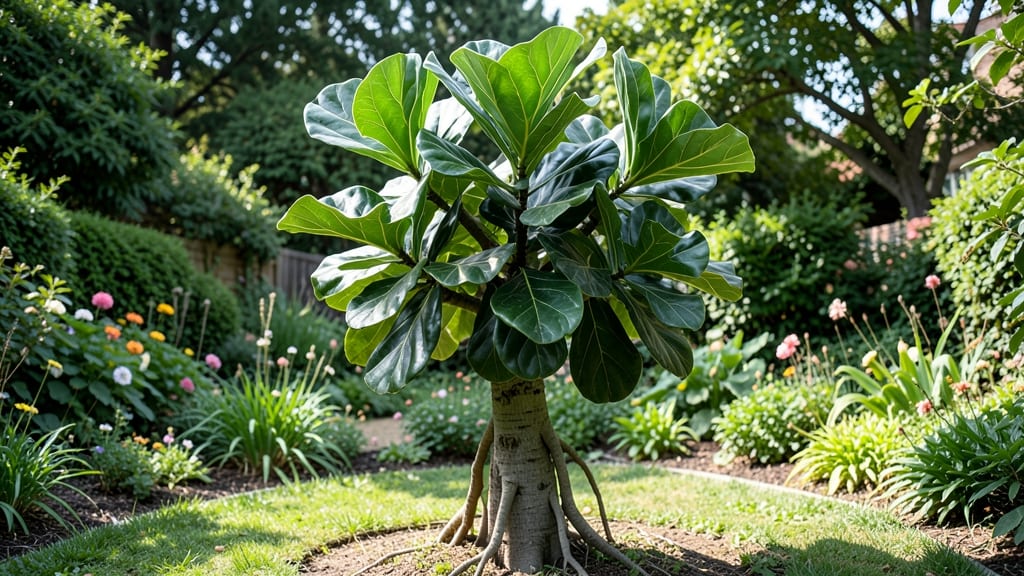
A ficus tree can grow anywhere from 8 feet to towering 50 feet tall, depending on the variety and where you plant it 🌳.
If you're dreaming of adding a ficus tree to your home or garden but aren’t sure whether to plan for a towering giant or a compact dwarf, understanding their growth potential is key—some varieties reach skyscraper heights while others stay perfectly manageable.
Outdoor ficus trees, like the Ficus elastica or Ficus benjamina, often stretch toward the sky, especially in warm climates, while indoor varieties like Ficus lyrata stay smaller unless given plenty of space.
The difference between a dwarf and a giant can be as simple as choosing the right spot or pruning regularly.
Below, I’ll break down the height ranges by variety, how to control growth with pruning, and the best dwarf types for small spaces—so you can pick the perfect ficus for your home or garden without surprises.


Ficus tree height by variety: from dwarf to towering giants
Choosing a ficus tree often comes down to one big question: how tall does a ficus tree grow? The answer varies dramatically depending on the variety, with some staying small enough for apartments while others become outdoor giants.
Whether you're planning for a 20-foot ceiling or a 10-foot container garden, knowing these heights helps you pick the perfect fit.
Ficus trees grow at different rates too—some shoot up 12 inches per year while others take decades to reach maturity. Indoor varieties like Ficus lyrata (fiddle-leaf fig) grow slower due to limited space, while outdoor types like Ficus microcarpa can become massive with proper conditions.
Let’s break down the most popular varieties and what to expect from each.
🌳 Pro Tip: Always measure your space before buying! A 10-foot ficus in a 6-foot room will quickly become a problem.
If you're growing ficus trees indoors, container size matters. A Ficus elastica in a 5-gallon pot will stay under 6 feet, but the same plant in a 15-gallon pot could hit 10 feet in 5 years.
Always choose a pot 2-3 inches larger than the root ball to avoid stunted growth.
Outdoor ficus trees need more space. A Ficus microcarpa planted near a driveway could block visibility in 10 years if unchecked. Give it 15-20 feet of clearance from structures and other plants to prevent overcrowding.
💡 Light Tip: Bright indirect light speeds up growth. Place your ficus near an east-facing window for balanced growth without leaf scorch.
Dwarf varieties like Ficus benjamina 'Exotica' stay under 5 feet indoors, making them perfect for small apartments. Meanwhile, Ficus elastica 'Black Prince' can reach 15 feet indoors if given enough light and space. Always check the variety’s growth habits before purchasing.
Pruning plays a huge role in controlling height. Topping (cutting the main stem) encourages bushier growth, while selective pruning of lower branches keeps the tree taller and more elegant. For vining types like Ficus pumila, train it along a trellis to manage its spread.
Remember, ficus trees grow faster outdoors due to better light, humidity, and soil conditions. If you're moving a potted ficus outside in summer, expect 2-3x faster growth compared to indoor conditions.
Now that you know how tall does a ficus tree grow, you can confidently choose the perfect variety for your space—whether it’s a dwarf for your desk or a giant for your garden.
How to control ficus tree height: pruning, training, and variety selection
Keeping your ficus tree at your desired height starts with understanding its natural growth habits. Most varieties grow aggressively—some reaching 30-50 feet outdoors—but with the right techniques, you can shape them to fit any space.
The key is combining pruning timing, variety selection, and proper training methods to maintain health while controlling size.
For indoor ficus trees like the Ficus elastica or Ficus lyrata, regular pruning is essential. These trees can grow 6-10 feet tall indoors if unchecked, but strategic cuts can keep them at a manageable 4-6 feet.
The best time to prune is in spring or early summer, when the tree enters its active growth phase. This ensures new growth fills out any cuts neatly.
🌿 STYLED LIST: CONTROL FICUS HEIGHT WITH THESE TECHNIQUES
- Dwarf varieties: 'Little Ruby' (3-5 ft), 'Bambino' (4-6 ft)
- Vining types: 'Ficus pumila' (creeping, 1-3 ft tall)
- Trim 1/3 of new growth in spring to encourage bushiness
- Use clean, sharp pruners to avoid disease
- Use trellises or stakes for vining types like 'Ficus pumila'
- Rotate container-grown trees to prevent lopsided growth
- Reduce fertilizer frequency to slow height increase
- Provide bright indirect light to maintain compact shape
If you're working with a vining ficus like Ficus pumila, training is your best tool. This variety can climb walls or trellises, reaching 10-20 feet horizontally but staying under 3 feet tall. Use a sturdy trellis and gently weave the vines through the slats every few weeks.
Avoid forcing growth—let the plant naturally spread to prevent stress. For container-grown vining types, prune leggy stems to encourage fuller coverage.
For outdoor ficus trees, height control requires a different approach. Varieties like Ficus microcarpa (Ginseng Ficus) can grow 30-50 feet in ideal conditions, but regular pruning every 2-3 years keeps them manageable.
Always prune after flowering if applicable, as this reduces stress on the tree. For large outdoor specimens, consider topiary training to shape the canopy while controlling vertical growth.
Remember, over-pruning can weaken your ficus tree. Never remove more than 25% of the foliage in a single session, and always use sterilized tools to prevent disease.
With the right balance of pruning, training, and variety selection, you can enjoy a ficus tree that fits your space perfectly—whether it's a 6-foot indoor statement piece or a 3-foot wall-hugging vine. 🌿