
How To
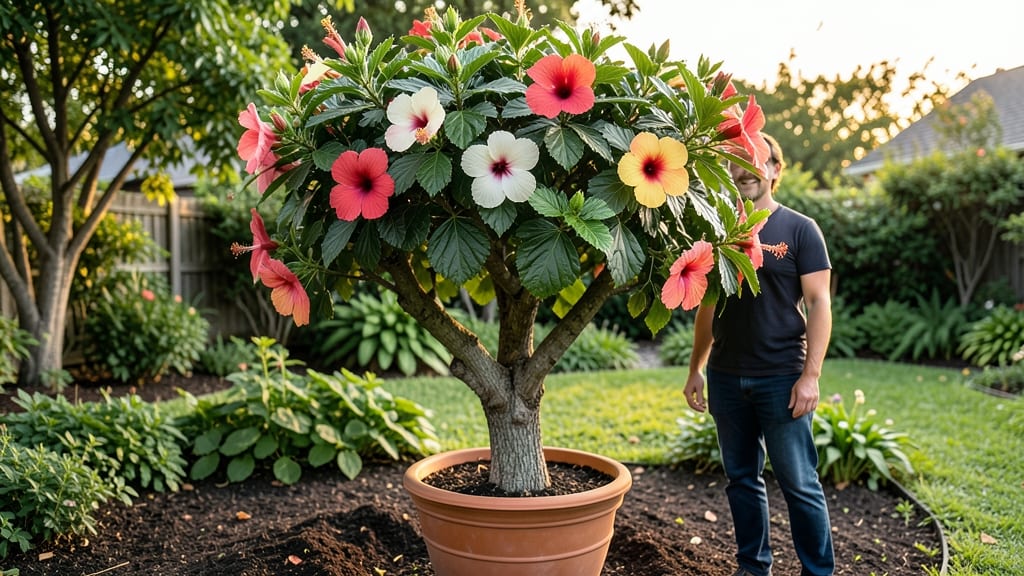
How tall does a hibiscus tree grow? Its mature height can stretch from 6 feet to over 15 feet, depending on the variety and growing conditions — and that range might change how you plan your garden layout.
If you're dreaming of a tropical paradise in your backyard, hibiscus trees could be the star of your garden—but their mature height might surprise you. Some varieties stay compact, while others tower like small trees, dramatically changing your landscaping plans.
Tropical hibiscus (like the showy Hibiscus rosa-sinensis) often reach 10–15 feet when happy in warm climates, while hardy hibiscus (such as Hibiscus syriacus) max out around 6–10 feet in cooler zones like 6a. Dwarf varieties, though rare, can stay under 6 feet with the right pruning.
Below, we’ll break down exact height ranges by variety, how sunlight and soil affect growth, and practical tips to keep your hibiscus at your ideal height—whether you want a privacy screen or a potted centerpiece.


Hibiscus tree height by variety: exact growth ranges explained
Hibiscus trees are stunning additions to any garden, but their mature height varies dramatically by variety. Whether you're planning a tropical oasis or a compact patio display, knowing these growth ranges helps you choose the perfect hibiscus for your space.
Some varieties grow as small shrubs, while others reach small tree heights, making them perfect for privacy screens.
For example, tropical hibiscus (Hibiscus rosa-sinensis) typically grows between 6 to 15 feet tall in ideal conditions, while hardy hibiscus (Hibiscus syriacus) often stays between 8 to 12 feet.
Even dwarf varieties can surprise you with their mature size—some reach 3 to 5 feet but still need space to spread. Let’s break down the exact height expectations for popular hibiscus types.
The tropical hibiscus is the most popular choice for gardeners in warm climates, thanks to its vibrant blooms and adaptability. In my own garden, the Hawaiian hibiscus grew over 12 feet in just three years, becoming a focal point near my patio.
If you're limited on space, dwarf varieties like 'Pink Fantasia' are perfect for containers or small yards, staying under 5 feet tall.
Hardy hibiscus varieties, like 'Blue Chiffon,' are cold-resistant and thrive in USDA Zones 5-9. These grow 8 to 12 feet tall but can be pruned to control their size. I’ve seen them used as privacy hedges in suburban backyards, where their lush foliage and late-summer blooms add seasonal interest.
If you're planning for long-term growth, consider the swamp hibiscus, which thrives in moist soil and can reach 10 feet tall. Its large, showy flowers make it a standout in wetland gardens or near ponds.
For urban gardeners, dwarf varieties are ideal—they fit into balcony planters or window boxes while still delivering stunning blooms.
One key factor affecting height is pruning habits. Regular pruning can keep even tall varieties manageable. For example, I prune my tropical hibiscus annually to encourage bushier growth and prevent it from becoming too leggy.
Without pruning, some varieties can grow 20% taller than their average range, so plan accordingly if you love a wild, natural look.
For small-space gardening, consider espalier training or container growing. Even standard hibiscus can be trained to grow flat against a fence, reducing their footprint while keeping their height.
I’ve seen hardy hibiscus grown in large pots on patios, where their roots stay contained and height remains under 6 feet.
When choosing a hibiscus, also consider its spreading width. Some varieties, like the tropical hibiscus, can spread 6 to 10 feet wide, while dwarf types stay under 3 feet.
This matters if you're planting near walkways or other structures. Always check the mature spread alongside height to avoid crowding other plants.
Finally, remember that climate plays a role in height. In cooler regions, hardy hibiscus may grow slower but still reach their mature height over time. In tropical zones, tropical hibiscus can grow faster and taller with the right care.
Whether you're aiming for a tall privacy screen or a compact patio
Factors that influence hibiscus tree height: sunlight, soil & pruning
Your hibiscus tree's mature height isn't just luck—it's a mix of nature and your care routine. The sunlight exposure your plant gets can turn a 6-foot shrub into a 15-foot tropical giant.
In full sun zones (6+ hours daily), hibiscus trees grow aggressively upward, while partial shade keeps them shorter and bushier. I've seen hibiscus trees in my own garden reach 12 feet tall in sunny Florida, while identical varieties in my friend's shaded yard stayed under 5 feet.
Don't overlook soil quality either. Hibiscus roots crave well-draining, slightly acidic soil (pH 6.1-6.5). Compact or alkaline soils stunt growth by restricting root development. I once planted a hibiscus in heavy clay soil—it barely grew past 3 feet in three years.
Amending with organic matter like compost can make a 3-foot difference in mature height by improving nutrient uptake and drainage.
Here's the key takeaway about hibiscus growth factors you can't ignore:
Hibiscus Height Control
Pruning might seem counterintuitive when trying to control height, but it's actually your secret weapon. If you want a taller hibiscus tree, prune lightly—just remove dead or crossing branches. For a shorter, bushier plant, prune back by 1/3 each year in late winter or early spring.
I prune my hibiscus every March to maintain its 8-foot height—it blooms more profusely and stays within my yard's height restrictions.
Your local climate zone plays a surprisingly big role too. Hibiscus trees in USDA zones 9-11 grow fastest and tallest year-round. But in cooler zones (7-8), growth slows dramatically in winter.
To compensate, I've seen gardeners use black plastic mulch around the base to absorb heat and extend the growing season by 4-6 weeks, resulting in 2-3 feet more growth annually.
For small-space gardening, consider these height control strategies: container growing limits roots and thus height, while regular pinching of new growth keeps plants under 5 feet. I've successfully grown dwarf hibiscus varieties like 'Piebald' in 15-gallon pots that stay under 4 feet tall while still producing stunning blooms.
The trade-off? You'll need to fertilize more frequently to compensate for root restriction.
Remember that watering habits also indirectly affect height. Underwatered hibiscus trees grow slowly and stay short, while overwatered plants may grow tall but develop weak stems that can't support their own weight.
Aim for deep watering every 3-5 days during hot months—my hibiscus trees in containers need watering twice as often as those in-ground to maintain healthy growth patterns.