
How To
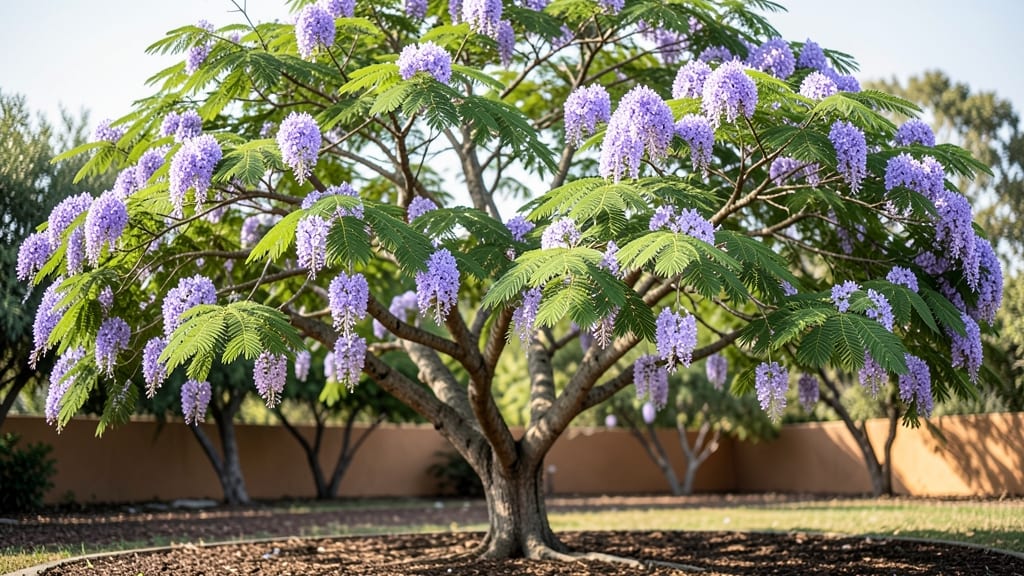
A jacaranda tree grows to how tall does a jacaranda tree grow—30–50 feet at maturity, transforming your yard into a purple canopy dream—but only if you plan for its impressive height from the start.
Picture this: a 🌳 jacaranda in full bloom, its fragrant lavender flowers cascading like confetti. But before you fall in love, ask yourself—do you have the space for a tree that could dwarf your two-story home?
Most varieties top out between 30 and 50 feet, with some reaching even higher in ideal conditions.
If you're in USDA Zone 6a or warmer, you’re in luck—jacarandas thrive in full sun and well-draining soil, but they need room to stretch their roots (and branches). Planting too close to structures or power lines means future headaches—or worse, pruning a tree that’s already half its mature height.
Below, I’ll break down the fastest-growing varieties, how to control height with pruning, and whether a smaller yard can still accommodate this showstopper. Spoiler: there are tricks to keep it manageable without sacrificing those breathtaking blooms.


Jacaranda tree height by variety: from compact to sky-high giants
When planning your dream garden, jacaranda trees offer breathtaking purple blooms that transform any landscape—but their mature height can vary dramatically. The most popular jacaranda species range from 30-foot giants to smaller varieties perfect for urban spaces. Choosing the right type ensures your tree thrives without overwhelming your yard.
Jacarandas are native to South America but thrive in USDA zones 9-11. Their height depends on the species, with some reaching 50 feet tall while others stay more manageable. Understanding these differences helps you select the perfect tree for your landscape design and available space.
Here’s how the three most common jacaranda varieties compare in height, growth rate, and spacing needs:
The jacaranda mimosifolia, the most common variety, grows into a towering giant with a 30–50 foot height. Its rapid growth rate of 1–2 feet per year means it can reach maturity in about 25 years.
This makes it ideal for large landscapes or as a statement tree in parks.
For smaller spaces, jacaranda acutifolia offers a more compact option at 20–35 feet tall. Its slightly slower growth rate of 1–1.5 feet per year makes it perfect for urban gardens or yards with limited space. Plant it 15–20 feet from buildings or sidewalks to avoid future issues.
Jacaranda caroba, the smallest of the three, tops out at 15–25 feet and grows just 0.5–1 foot per year. This variety is ideal for containers or small yards where space is tight. Its slower growth means it’s easier to manage over time, making it a great choice for patio plantings or balcony gardens.
When planting any jacaranda, full sun exposure is critical for optimal growth. These trees thrive in well-draining soil and drought-tolerant conditions once established. However, young trees need regular watering to support their early development.
To ensure your jacaranda reaches its full potential, avoid planting near overhead power lines or structures. The jacaranda mimosifolia, for example, can develop a spread of 25–40 feet, so give it plenty of room to branch out safely.
Regular pruning can help control height and shape, especially in the first few years.
If you’re unsure which variety to choose, consider your long-term landscape goals. For a dramatic focal point, go with jacaranda mimosifolia. For a balanced urban look, jacaranda acutifolia is perfect. And if you have limited space, jacaranda caroba delivers stunning blooms without the bulk.
With the right variety and proper care, your jacaranda will reward you with seasonal purple blooms for decades to come—just be prepared for its impressive height! 🌳
How fast do jacaranda trees grow? Seasonal growth patterns & height projections
Jacaranda trees are often called "slow growers," but their growth rate depends heavily on your climate zone, soil quality, and care routine. In ideal conditions—like USDA zones 9-11—they can add 2-3 feet per year during their fastest growth phases.
However, many gardeners underestimate how quickly these trees can reach their 30-50 foot mature height if given the right conditions.
Contrary to popular belief, jacarandas don’t grow at a snail’s pace. The first 3 years are critical: young trees gain 2-4 feet annually with proper watering and sunlight. By year 5, they can surge to 10-15 feet tall, making early pruning essential if you want to control their height.
Understanding this progression helps you plan for their eventual canopy spread of 25-40 feet.
- Year 1: 2-4 ft (focus on root establishment)
- Year 3: 12-18 ft (rapid vertical growth begins)
- Year 5: 20-25 ft (canopy starts filling out)
- Year 10: 30-40 ft (mature height reached)
🌱 Note: Growth slows in USDA zones 8 or cooler—expect 12-18 inches per year instead.
Your local climate plays a huge role in growth speed. In Southern California or Arizona, jacarandas thrive year-round and can grow 3 feet annually during spring and fall. But in cooler zones (USDA 8), growth nearly halts in winter, reducing yearly gains to 6-12 inches.
Even in warm climates, drought stress can stunt growth—so deep watering every 7-10 days keeps them on track.
Soil type matters just as much as climate. Jacarandas despise waterlogged soil—their roots need well-draining mixes with sandy loam or gravelly soil to prevent rot. Amending heavy clay with compost and perlite can boost growth by 20-30%.
I’ve seen jacarandas in native Australian soils (their origin) grow twice as fast as those in dense, compacted urban soil.
One common misconception is that jacarandas grow "too fast" and become unmanageable. While their height is impressive, their slow lateral spread makes them ideal for small yards. The key is pruning in late winter to shape their growth early.
Without pruning, they’ll focus all energy upward—leading to that 50-foot giant in just 15 years. But with strategic cuts, you can keep them at 25-30 feet while maintaining those lavender blooms.
For fastest (but controlled) growth, combine full sun exposure, balanced fertilizer (6-10-10) in spring, and regular pruning. I’ve seen jacarandas in container gardens (with large pots) grow 1-2 feet per year—proving they adapt well if given the right conditions.
The trade-off? Container-grown trees may take 2-3 extra years to reach their full height compared to in-ground plants.
Remember: patience is key. While jacarandas aren’t fast-growing by tropical tree standards, their dramatic seasonal changes—from bare branches in winter to purple canopies in spring—make every foot of growth worth the wait.
With the right care, you’ll have a shade-providing giant in just a decade—without the maintenance headaches of faster-growing trees. 🌳