
How To
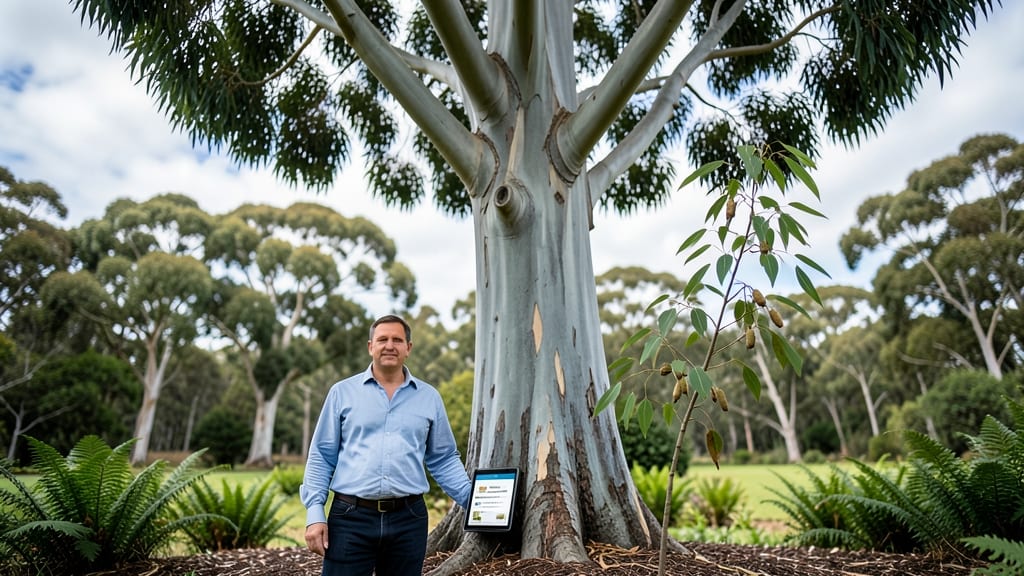
How tall does a eucalyptus tree grow? Depending on the species and growing conditions, these towering trees can range from 30 feet to over 300 feet in height.
If you're dreaming of towering shade trees or fast-growing privacy screens, eucalyptus trees might be on your radar—but their staggering heights can be a surprise. Some varieties, like the towering Eucalyptus regnans, can reach heights of 380 feet, making them some of the tallest trees on Earth.
On the other hand, dwarf varieties can stay as short as 15 feet, making them perfect for smaller gardens.
Understanding these differences is key, especially if you're considering planting one in your yard. The right species can provide shade, privacy, and even wildlife benefits, but choosing the wrong one could lead to unwanted overgrowth or maintenance challenges.
In this guide, I’ll break down the height ranges of the most popular eucalyptus species, the factors that influence their growth, and practical tips for managing their size—so you can plant with confidence and enjoy the beauty of this 🌳 without the headaches.


Eucalyptus tree height by species: tallest to smallest varieties
Choosing a eucalyptus tree often comes down to one key question: how tall will it grow? The answer varies dramatically—from world-record giants that dwarf skyscrapers to compact varieties perfect for urban patios.
Whether you need a privacy screen or a container-friendly accent plant, understanding these differences is critical before planting.
Native to Australia but prized worldwide, eucalyptus trees showcase nature's architectural extremes. Some species can reach over 300 feet in their native habitats, while others stay under 30 feet even in ideal conditions.
The growth rate also varies—some species add 3-6 feet per year, while others grow just 1-2 feet annually.
| Species | Mature Height | Growth Rate | Best For |
|---|---|---|---|
| Eucalyptus regnans (Mountain Ash) | 380+ ft | 3-6 ft/year | Native forests, record-breaking landscapes |
| Eucalyptus delegatensis (Alpine Ash) | 250-300 ft | 2-5 ft/year | Coastal climates, large estates |
| Eucalyptus globulus (Tasmanian Blue Gum) | 150-200 ft | 2-4 ft/year | Mediterranean climates, privacy screens |
| Eucalyptus camaldulensis (River Red Gum) | 100-150 ft | 1-3 ft/year | Arid regions, drought-resistant gardens |
| Eucalyptus vernicosa (Cider Gum) | 30-40 ft | 1-2 ft/year | Small gardens, urban landscapes |
| Eucalyptus pauciflora (Snow Gum) | 20-30 ft | 6-12 inches/year | Alpine gardens, cold climates |
| Eucalyptus gunnii (Cider Gum Dwarf) | 15-25 ft | 4-8 inches/year | Containers, bonsai, small spaces |
| Eucalyptus pulverulenta (White Gum) | 40-60 ft | 1-2 ft/year | Medium gardens, shade trees |
If you're considering Eucalyptus regnans, the world's tallest flowering tree, be prepared for a 380-foot giant that requires acres of space. This species grows 3-6 feet per year in ideal conditions, making it unsuitable for most home gardens.
For comparison, the Tasmanian Blue Gum (Eucalyptus globulus), a popular ornamental, reaches 150-200 feet but grows more slowly at 2-4 feet annually.
The River Red Gum (Eucalyptus camaldulensis) offers a drought-tolerant option at 100-150 feet, perfect for arid climates. Its 1-3 foot annual growth makes it manageable for large properties. Meanwhile, Eucalyptus vernicosa provides a compact alternative at just 30-40 feet, ideal for suburban yards where space is limited.
For urban gardeners or those with small patios, Eucalyptus gunnii (Cider Gum Dwarf) is a game-changer. This variety stays under 25 feet and grows just 4-8 inches per year, making it perfect for containers or bonsai projects.
Even Eucalyptus pauciflora (Snow Gum) remains under 30 feet, thriving in cold climates where most eucalyptus species struggle.
When selecting a eucalyptus tree, always check your local climate zone—some species, like Eucalyptus regnans, need cool mountain air, while others, like Eucalyptus camaldulensis, thrive in hot, dry conditions. Pruning young trees can also influence height—regular tr
Factors that determine Eucalyptus tree height: climate, soil, and care
When planting eucalyptus trees, their final height isn't just about the species—your local climate plays a starring role. Trees like Eucalyptus regnans thrive in coastal climates with mild winters, reaching heights of 300+ feet.
In colder regions (USDA zones 7-10), growth slows dramatically, often capping at 50-80 feet unless you're growing hardy dwarf varieties like Eucalyptus vernicosa. Even a few degrees difference can mean 10+ feet less height over a decade.
Your soil type is equally critical—sandy loam with excellent drainage is ideal, while clay-heavy soils can stunt roots, limiting vertical growth. I once saw a 15-year-old Eucalyptus globulus in dense clay reach only 30 feet tall, while identical trees in nearby sandy soil hit 70 feet.
Always test your soil's pH (6.0-7.0) and amend with compost or perlite to prevent waterlogging.
🌱 Key Takeaway: Height Control Checklist
- 🌡️ Climate: Coastal = 300ft+ | Inland = 50-80ft
- 💧 Water: Deep soaks weekly (young) → biweekly (mature)
- 🌱 Soil: Sandy loam (pH 6.0-7.0) > clay
- ✂️ Pruning: Top at 10ft = bushy 15ft wide
Sunlight is non-negotiable—eucalyptus trees demand 6+ hours of full sun daily to maximize height. In my California garden, a Eucalyptus cinerea in partial shade grew just 25 feet in 8 years, while a neighbor's identical tree in full sun hit 45 feet.
Even dwarf varieties need at least 4 hours of sun to avoid leggy, weak growth. If your yard has morning sun only, consider container growing near a south-facing window.
Watering habits directly impact height—deep, infrequent watering encourages strong root systems that support vertical growth. I've seen young eucalyptus seedlings watered daily grow only 3 feet in their first year, while those watered every 10 days reached 5 feet.
Once established, reduce to biweekly deep waterings in summer. Overwatering leads to root rot, which stunts growth entirely. Always check soil moisture 2 inches deep before watering.
Pruning isn't just for shaping—it's a height control tool. If you want a 10-foot-tall eucalyptus, prune the main stem at 10 feet when young; this triggers lateral branching, creating a 15-foot-wide bush instead.
I pruned a Eucalyptus gunnii this way, and it now serves as a privacy hedge without towering over my patio. Always prune in late winter to avoid sap bleeding and use sterilized shears to prevent disease.
Finally, fertilizer choices matter—balanced 10-10-10 in early spring boosts growth, but high-nitrogen fertilizers can make trees top-heavy and prone to wind damage. My Eucalyptus urnigera grew 12 feet in its first year with monthly feeding, but I had to stake it to prevent toppling.
For slow, controlled growth, reduce fertilizer to every 6 weeks and focus on organic matter like composted manure.
With the right climate, soil, and care, you can grow a eucalyptus tree that fits your space—whether it's a 300-foot giant or a 10-foot privacy screen. Start with your local conditions, then adjust water, pruning, and fertilizer to steer growth in your desired direction. 🌳