
How To
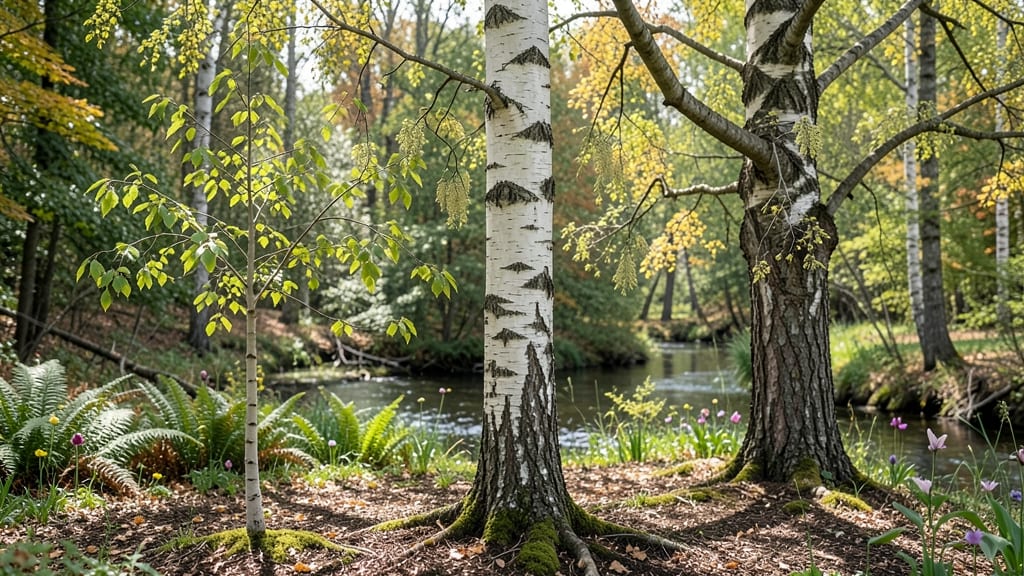
A birch tree grows anywhere from 20 to 70 feet tall depending on the species and growing conditions, making it a stunning but space-conscious choice for any landscape.
Picture this: a paper birch 🌳 standing tall in a forest, its white bark shimmering in the sunlight, while a river birch in your backyard stays more compact. The difference comes down to genetics, soil quality, and how much sunlight it gets.
For gardeners in Zone 6a, knowing these details is key to planning your space. A dwarf variety might fit neatly in a small yard, while a standard birch could become a towering centerpiece in a larger property.
Below, I break down the height ranges by species, how to control growth with pruning, and whether a birch tree is the right fit for your garden’s size and style.


Birch tree height by species: from dwarf varieties to forest giants
Birch trees are famous for their striking white bark and graceful branches, but their height varies dramatically depending on the species and growing conditions. Whether you're planning a backyard landscape or admiring wild forests, understanding these differences helps you choose the perfect birch for your space.
Some species reach forest-giant heights, while others stay compact enough for urban gardens.
The paper birch (Betula papyrifera) is one of the most recognizable, often growing 50-75 feet tall in ideal conditions. Meanwhile, dwarf varieties like 'Fastigiata' or 'Gracilis' stay under 15 feet, making them perfect for small yards.
Climate and soil quality play a huge role—wet, fertile soils can push growth to extreme heights, while dry or rocky conditions may stunt them.
Yellow birch (Betula alleghaniensis) typically matures between 60-80 feet, though some rare specimens exceed 100 feet in old-growth forests. River birch (Betula nigra) usually tops out around 40-70 feet, with its distinctive peeling bark adding visual interest. Black birch (Betula lenta), also called sweet birch, often reaches 50-75 feet, though it grows slower than paper birch.
| Species | Mature Height Range | Dwarf Variety Height | Growth Rate | Climate Adaptability |
|---|---|---|---|---|
| Paper Birch (Betula papyrifera) | 50-75 ft | 10-15 ft | Fast (2-3 ft/year) | Cold hardy (Zones 2-6) |
| Yellow Birch (Betula alleghaniensis) | 60-80 ft | 20-30 ft | Moderate (1-2 ft/year) | Zones 3-7 |
| River Birch (Betula nigra) | 40-70 ft | 15-25 ft | Moderate (1-2 ft/year) | Zones 4-9 (wet soils) |
| Black Birch (Betula lenta) | 50-75 ft | 25-35 ft | Slow (1 ft/year) | Zones 4-8 |
| Dwarf Varieties (e.g., 'Fastigiata') | 10-20 ft | 10-15 ft | Slow (6-12 in/year) | Zones 3-7 |
If you're growing birch trees in urban areas, soil quality is critical. Compacted or nutrient-poor soil can stunt growth, while rich, moist soil encourages rapid vertical expansion.
For example, a paper birch in a forest may reach 75 feet, but the same species in a city planter might only grow 30 feet due to restricted root space.
Climate also affects height—river birch thrives in southern climates with high humidity, often growing taller than its northern counterparts. In contrast, yellow birch performs best in cooler, northern forests, where it can dominate the canopy.
Always check your USDA hardiness zone before planting to ensure the species will thrive.
For gardeners with limited space, dwarf birch varieties like 'Purple Sandstone' or 'Gracilis' are excellent choices. These stay under 15 feet while still offering the signature birch bark and foliage.
Pruning young trees can also control height, though birches respond best to minimal pruning—over-trimming can stress the tree and reduce its natural beauty.
One surprising fact: some old-growth birches exceed typical height ranges. In Minnesota's Boundary Waters, a paper birch reached 90 feet, while a yellow birch in New Hampshire topped 100 feet.
These giants grow in ideal conditions with centuries of undisturbed growth, but most home gardeners won’t see such extremes.
When planting birch trees, spacing is key. Mature trees need 30-50 feet of clearance to avoid root competition. Dwarf varieties can be planted closer—10-15 feet apart—but always check the species' mature size before committing.
Proper spacing ensures your birch has room to grow without crowding other plants or structures.
If you're aiming for fast shade or privacy, focus on species like paper birch or river birch, which grow quickly in the right conditions. For a slow-growing accent tree, black birch or dwarf varieties are better choices.
Always consider your long-term goals—birches are long-lived and will shape your landscape for decades.
🌳
How to control birch tree height in landscaping and cultivation
Controlling the height of your birch tree starts with understanding its natural growth patterns. Most birch species can reach 40-70 feet in ideal conditions, but with strategic pruning and soil management, you can keep them at a more manageable 15-30 feet for urban spaces.
The key is timing—prune in late winter or early spring before new growth begins to minimize stress on the tree.
For compact growth, consider dwarf birch varieties like Betula pendula 'Fastigiata', which naturally stays under 20 feet tall. These varieties are perfect for small yards or container gardening. Even with dwarf types, regular pruning helps maintain their shape and prevents overgrowth.
⚠️ WARNING: Over-Pruning Risks Pruning too aggressively can stunt growth or harm the tree. Never remove more than 25% of the canopy in a single session, and avoid cutting into old wood—this weakens the tree’s structure.
Always use sterilized tools to prevent disease spread. If you’re unsure, consult a local arborist for guidance tailored to your birch species.
Proper spacing is another critical factor. Plant birch trees at least 15-20 feet apart to allow airflow and reduce competition for nutrients. In tight spaces, opt for semi-dwarf varieties or consider container growing for even more control. Containers also make it easier to manage root growth, which indirectly limits height.
Soil health plays a surprising role in height control. Birch trees thrive in well-draining, slightly acidic soil (pH 4.5-6.0). Amend heavy or compacted soil with compost or sand to encourage slower, steadier growth.
Over-fertilizing with nitrogen can lead to rapid, weak growth—stick to a balanced 10-10-10 fertilizer applied sparingly in early spring.
Mulching around the base of your birch tree helps regulate moisture and temperature, both of which influence growth rates. Use organic mulch like wood chips, keeping it 2-3 inches deep and 3 inches away from the trunk to prevent rot.
This simple step can reduce vertical growth by up to 10-15% over time.
Finally, avoid common mistakes like topping birch trees (cutting the top flat), which causes unsightly regrowth and weakens the tree. Instead, focus on selective pruning to shape the tree naturally.
With patience and the right techniques, you can enjoy a birch tree that fits your space perfectly while maintaining its health and beauty.