
Watering
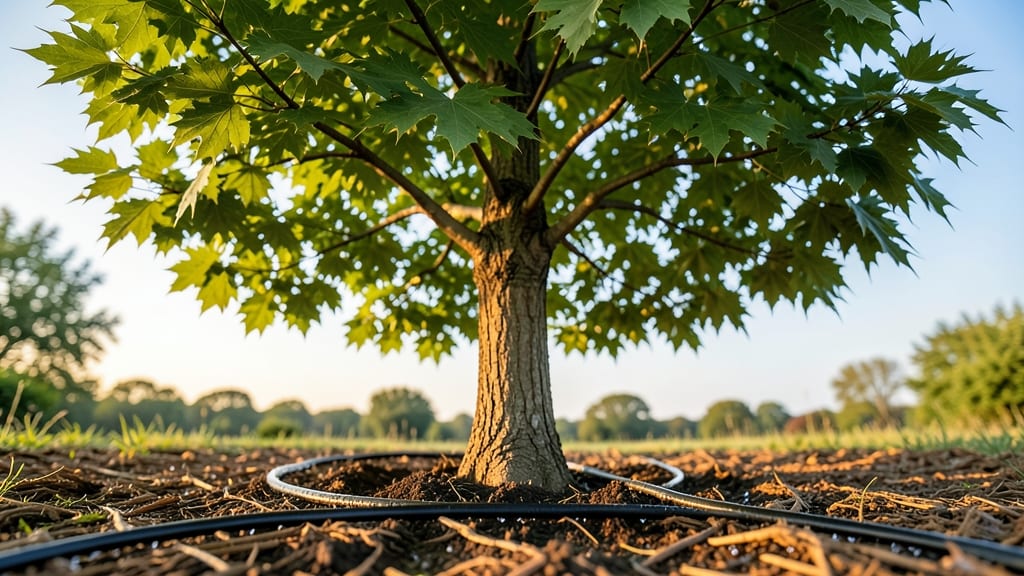
New trees need consistent watering to establish strong roots, but overwatering can be just as harmful. These exact watering times—broken down by season and tree type—ensure your young tree thrives without guesswork or waste.
Spring Watering Schedule for Deciduous Trees
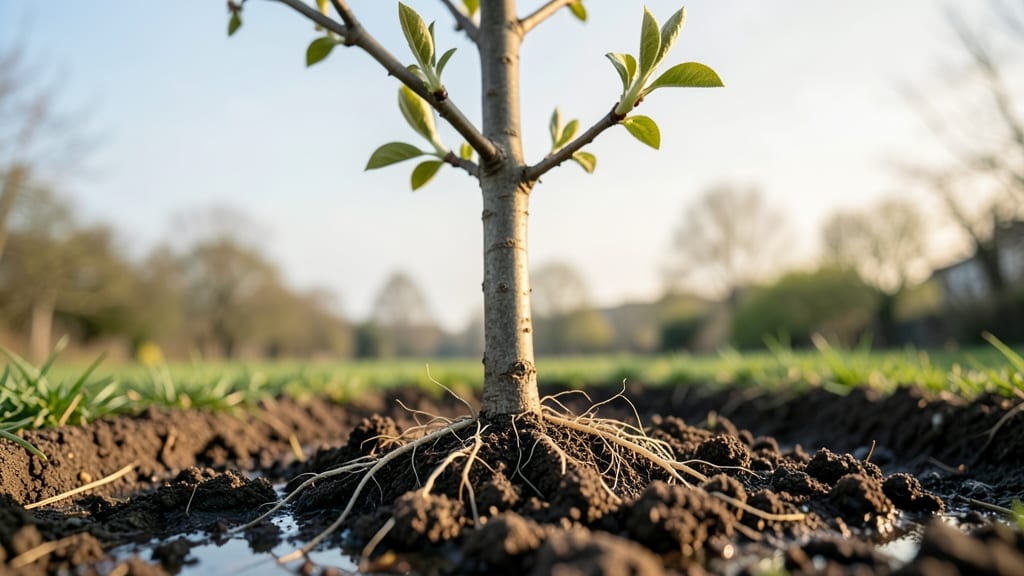
Spring is when your newly planted deciduous trees wake up from dormancy and race to establish roots before summer heat arrives. But rushing watering can backfire—shallow roots form when water sits too close to the surface, leaving your tree vulnerable to drought and wind.
For the first 30 days after planting, water deeply 2-3 times per week using a hose with a gentle stream (about 10-15 minutes per session). Focus on the outer edges of the root ball, where new roots are growing. As leaves appear, switch to once-weekly deep watering (20-30 minutes) to encourage roots to spread downward. Mulch helps retain moisture and regulate soil temperature.
This schedule works best for gardeners in USDA Zones 5-8 with average rainfall. Adjust for clay soil (water less often) or sandy soil (water more frequently). Consistent deep watering now means stronger roots—and fewer headaches when summer arrives. 🌱
Summer Watering for Evergreen Trees
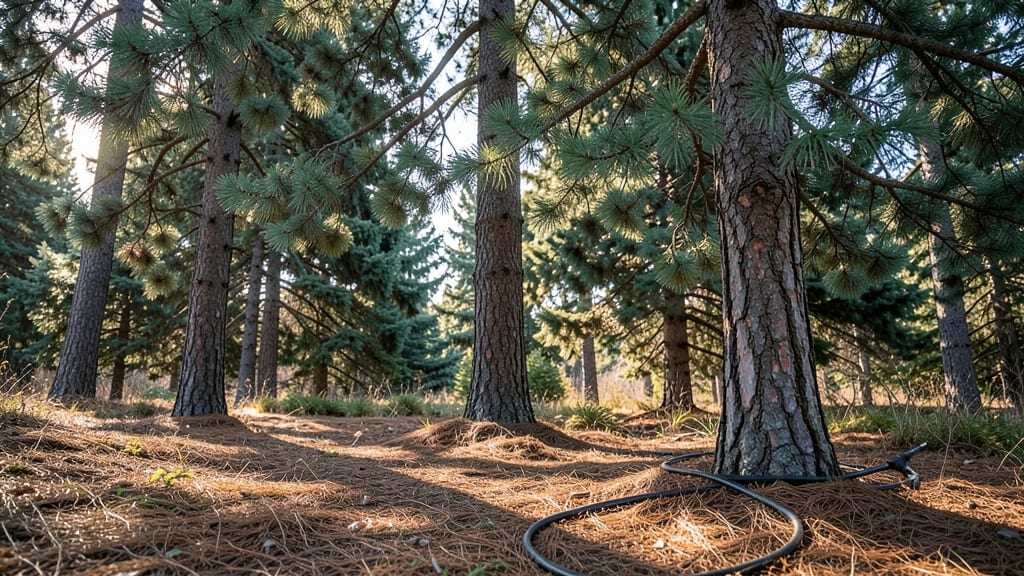
Evergreen trees like pine, spruce, and fir need a different watering approach than leafy deciduous trees—especially in hot climates where fungal diseases thrive. Unlike deep soakings for spring planting, these needle-bearing trees prefer frequent, shorter watering sessions to keep their shallow root systems moist without suffocating them.
Water your evergreen trees for 10-15 minutes every 2-3 days during peak summer heat, using a gentle hose stream at the base. Apply a 2-3 inch layer of mulch to retain moisture and protect roots from temperature swings. Avoid wetting the needles to prevent fungal issues like needle blight, and always water in the early morning to reduce evaporation.
This method is perfect for gardeners in arid regions or those with limited time—short sessions keep roots hydrated without the risk of overwatering. Your evergreens will stay lush and disease-free with this simple routine. 🌟
Autumn Watering for Fruit Trees
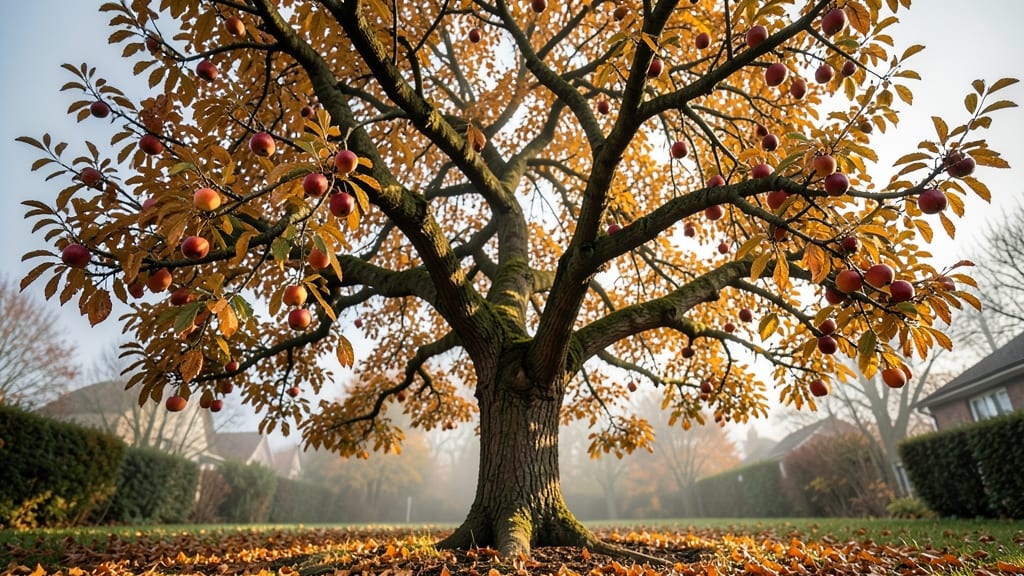
As leaves turn golden and fruit ripens, your fruit trees are busy storing energy for winter—meaning autumn watering isn’t just about keeping them alive, it’s about setting them up for next year’s harvest. The key is a gradual reduction in water while ensuring roots stay hydrated enough to harden off properly before dormancy.
Water deeply once a week (or every 5-7 days in dry climates) until the soil is moist 12 inches down, then taper off by mid-October. Focus on the root zone, not the leaves, and mulch heavily (3-4 inches) to lock in moisture. Avoid soggy soil—overwatering now can lead to winter rot. For young trees, reduce watering by 25% compared to summer rates.
This approach ensures your apple, peach, or cherry trees enter dormancy with strong roots and stored nutrients. It’s especially critical for newly planted fruit trees, where proper autumn care determines how well they’ll rebound in spring. 🌟
Winter Watering for Bare-Root Trees
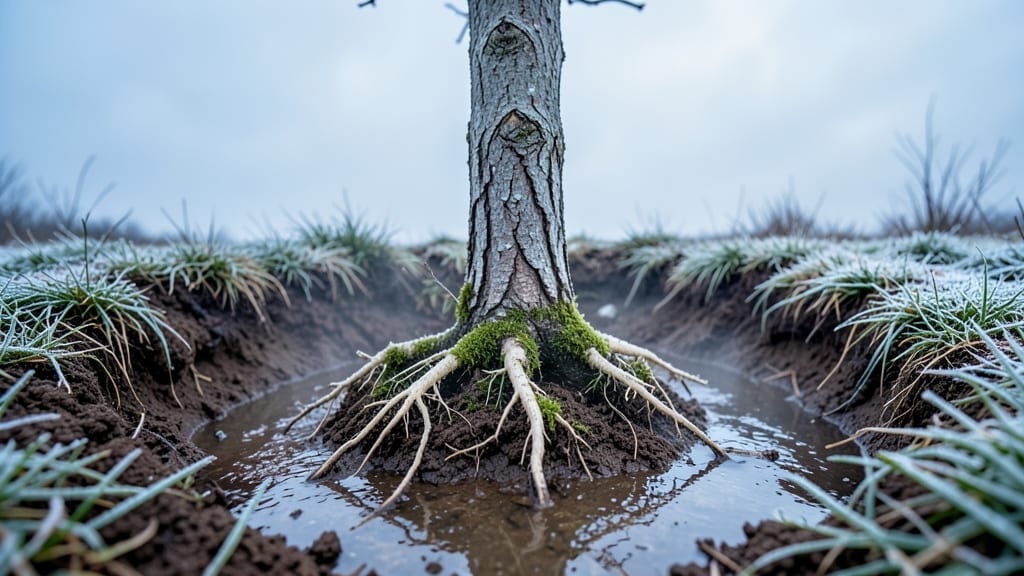
Cold climates pose a hidden threat to newly planted bare-root trees—freeze-thaw cycles can heave roots out of the soil, stunting growth before it even begins. The key isn't to drown them, but to create a protective moisture barrier that keeps roots stable during winter's extremes.
Water bare-root trees just once every 2-4 weeks during winter, depending on snowfall. Aim for 5-10 minutes per tree using a slow trickle from your hose, focusing on the root zone (not the trunk). This creates a frost-proof moisture zone that prevents soil expansion and contraction. For extra protection, apply 3-4 inches of mulch after watering to insulate roots.
This minimal approach works best for gardeners in USDA zones 3-6, where winter temperatures dip below freezing. Even when the ground looks frozen, roots stay active—just at a slower pace. A little winter watering now means stronger growth when spring arrives. 💡
Drip Hose Method for Large Canopy Trees
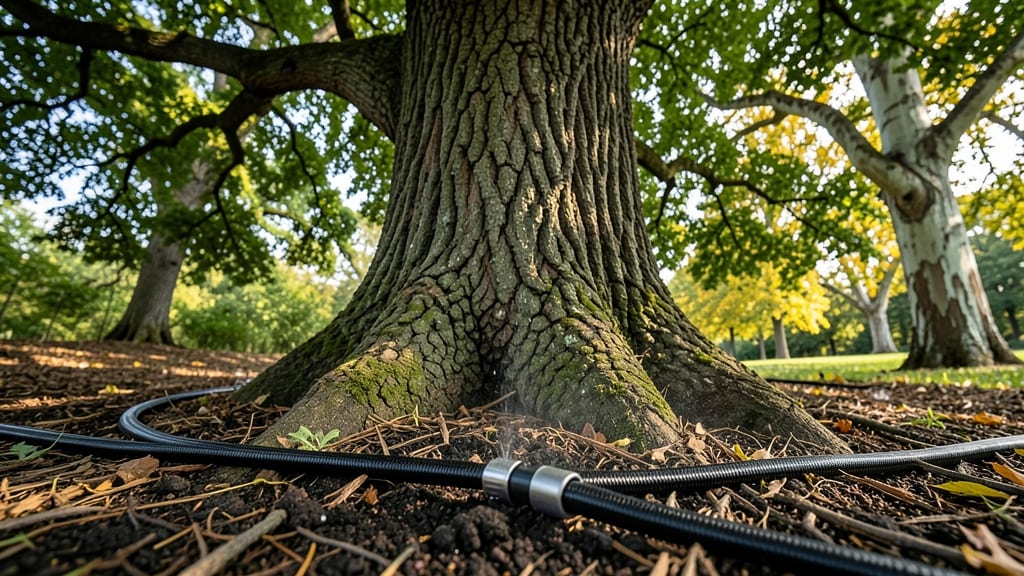
Large canopy trees like oak, maple, or sycamore need deep hydration, but traditional hoses waste water through evaporation and runoff. The drip hose method solves this by delivering water slowly and directly to the root zone, where it matters most—saving time and keeping roots healthy.
Set up a soaker hose or drip irrigation line at the tree’s drip line (where branches end) and water for 45-60 minutes, 2-3 times per week during the growing season. For newly planted trees, extend sessions to 60-90 minutes to encourage deep root growth. This method also reduces fungal risks by keeping foliage dry while hydrating the soil efficiently.
This approach is ideal for urban gardeners with large trees or those short on time—no more lugging heavy hoses or guessing how much water your tree needs. Just set it, forget it, and watch your broadleaf giants thrive. 🌟
Hand-Watering Technique for Small Trees
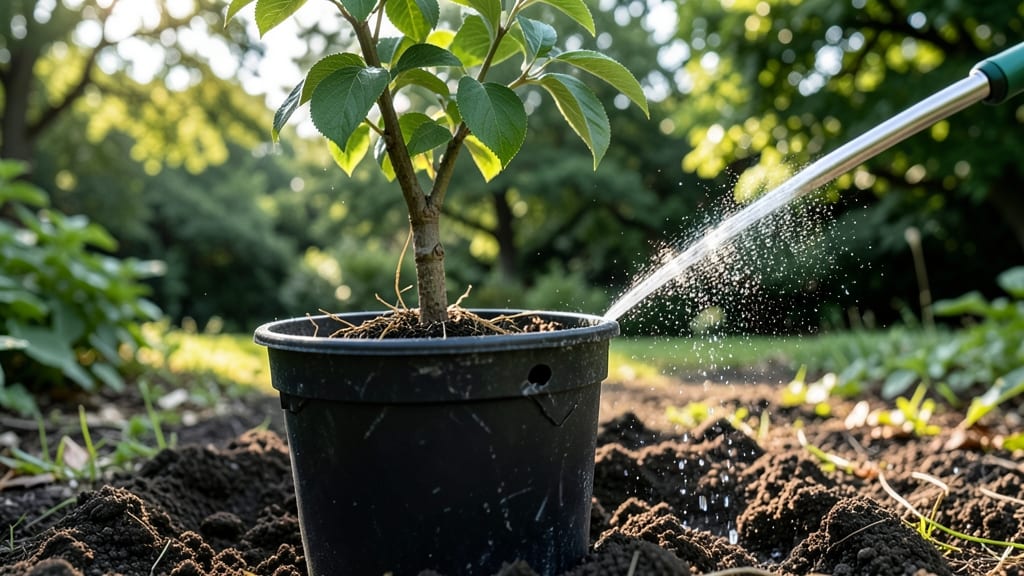
When your small tree arrives from a nursery—especially if it's container-grown—a gentle touch with the hose makes all the difference. Unlike larger trees, delicate species like dogwoods or ornamental cherries can’t handle sudden water pressure, which can dislodge soil or damage tender roots.
Start by using a slow, steady stream from a standard hose nozzle set to a fine mist. Water for 5-10 minutes per session, focusing on the outer edge of the root ball where new roots are forming. For newly planted trees, check soil moisture daily—the top 2 inches should stay damp but not soggy. This method mimics natural rainfall, preventing shock while encouraging deep root growth.
This technique is perfect for urban gardeners with limited space or anyone nurturing small trees in pots. The precision control ensures your investment thrives without overwatering or stress. 🌿
Adjusting Watering for Clay vs. Sandy Soil
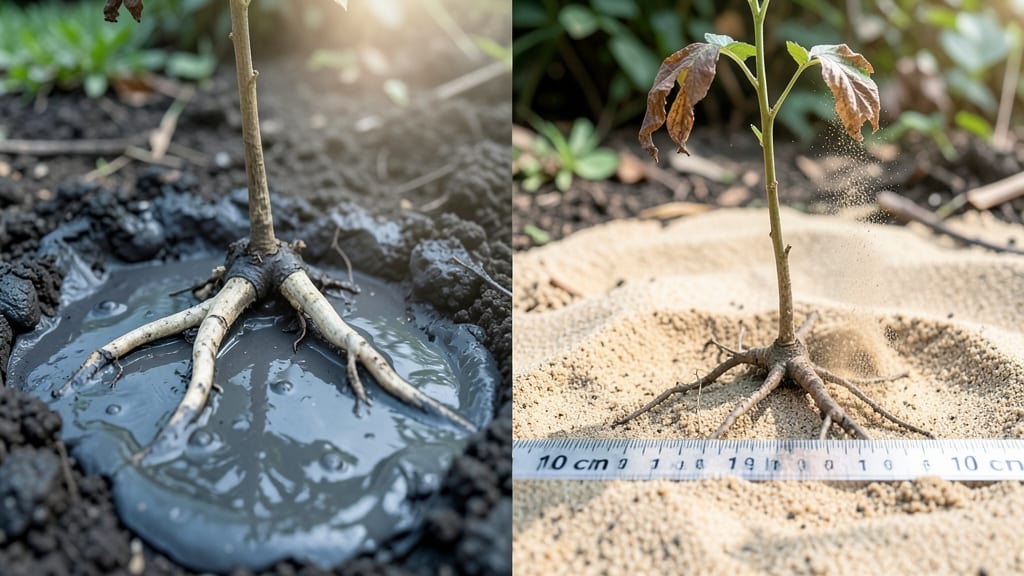
Your tree’s soil type determines whether its roots are drowning or thirsty—clay soil acts like a sponge, holding water for days, while sandy soil drains so fast it barely wets the roots. Adjusting your watering schedule based on soil texture is the key to avoiding both suffocation and dehydration.
For clay soil, water deeply but spread sessions over 30-45 minutes (e.g., 15 minutes twice) to let moisture penetrate without pooling. In sandy soil, aim for short, frequent bursts (10-15 minutes) every 2-3 days to keep roots consistently hydrated. Always water slowly at the base—never the leaves—to prevent runoff or fungal risks.
This adjustment is a game-changer for gardeners in heavy clay regions (like the Midwest) or sandy coastal areas. A simple soil test or the "squeeze test" (clump in hand—if it holds shape, it’s clay) helps you dial in the perfect routine. 💡