
Pruning
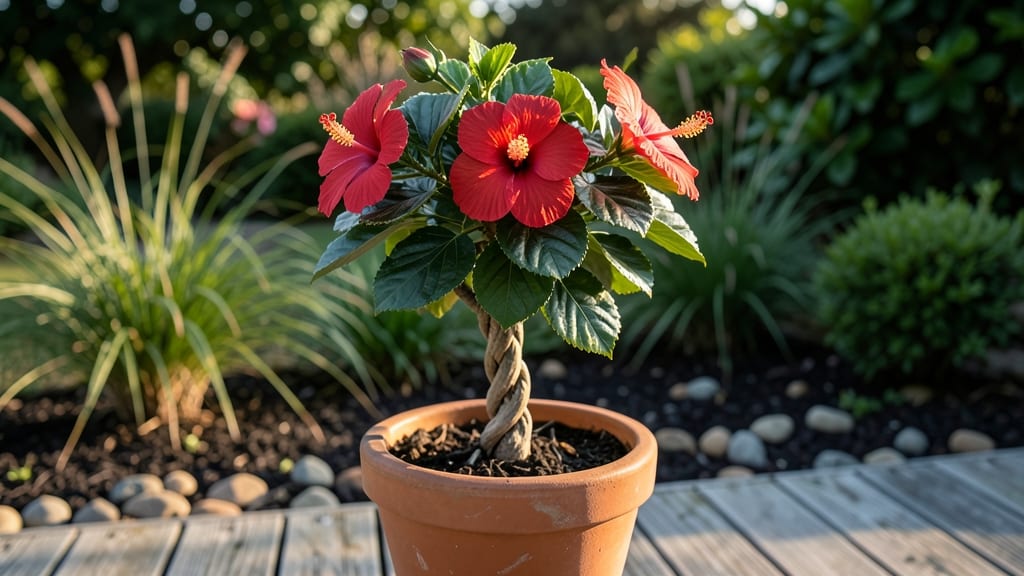
A hibiscus braided tree can reach 6 feet in height in just one growing season with the right care—making it a game-changer for privacy screens and vertical accents.
Picture this: you plant a 🌺 in spring, and by summer, it’s already towering over your patio, its glossy leaves casting shade where you need it most. But here’s the catch—without proper pruning, that same tree can balloon into an unruly giant, blocking sunlight and overwhelming your space.
In Zone 6, where frost lingers until mid-April, timing is everything. Prune too early, and you stunt growth; wait too late, and you lose the chance to shape it before summer’s rapid expansion.
The key is a 3-step method that balances height control with lush foliage, so you get that 6-foot privacy hedge without sacrificing beauty.
Below, I’ll walk you through the exact pruning schedule, tools, and seasonal tweaks to keep your hibiscus braided tree at your ideal height—whether you want a 6-foot screen or a 10-foot statement piece. No guesswork, just results.

How fast does a hibiscus braided tree grow to 6 feet?
The hibiscus braided tree (Hibiscus rosa-sinensis) can reach 6 feet in just one growing season under ideal conditions, but its growth speed depends on seasonal factors, soil quality, and sunlight exposure.
With the right care, you’ll see 2-4 feet of growth in its first year, doubling that with strategic pruning. The key lies in understanding how to maximize its natural growth while controlling its height for a dense, manageable privacy screen.
In USDA Zone 6, where frost-free days average 165 days, your tree’s growth will accelerate between April and October. Spring and early summer are critical—this is when new shoots emerge and the tree focuses energy on vertical growth.
If you’re planting in Zone 7 or warmer, expect even faster results, with some varieties hitting 6 feet by late summer. However, neglecting soil nutrients or watering consistency can slow growth by up to 50%, turning a potential speedster into a sluggish shrub.
| Growth Factor | Zone 6 Growth Rate | Optimal Conditions |
|---|---|---|
| First Year Height | 2–4 feet | Full sun, well-draining soil, consistent watering |
| Second Year Height | 5–8 feet | Spring pruning, balanced fertilizer (10-10-10), 6+ hours sun |
| 6-Foot Timeline | 1 growing season (Zone 6) | Early spring planting, summer pruning, mulch for moisture |
| Sunlight Needs | 6+ hours daily | South-facing location, partial shade in extreme heat |
| Soil pH | 6.1–7.5 | Amend with compost; avoid waterlogged soil |
To push your hibiscus braided tree toward 6 feet in a single season, focus on spring planting after the last frost (typically mid-April in Zone 6). Plant in well-draining soil with a balanced fertilizer (10-10-10) to kickstart root and shoot growth.
The first 8 weeks are critical—this is when the tree establishes its structural framework. Water deeply every 3–4 days to encourage strong root development, but avoid overwatering, which can lead to root rot and stunted growth.
By late June, your tree should be 3–4 feet tall if conditions are ideal. This is the perfect time for light pruning to shape the tree and encourage denser foliage. Remove 10–15% of new growth, focusing on overcrowded branches or those growing inward.
Pruning now stimulates lateral branching, which thickens the tree and prevents a lanky, weak structure. Use clean, sharp pruners to make cuts just above a leaf node—this encourages faster regrowth.
Summer is when your hibiscus braided tree will really stretch for height, especially if it’s in full sun. However, heat stress can slow growth if temperatures exceed 90°F (32°C) without adequate water and shade.
To combat this, mulch around the base with 2–3 inches of organic mulch (like shredded bark) to retain moisture and regulate soil temperature. In Zone 6, aim for 1–2 gallons of water per tree every 2–3 days during peak summer months.
Reduce watering slightly in fall to harden the tree for winter.
One of the biggest mistakes gardeners make is pruning at the wrong time. Avoid heavy pruning in fall or winter, as this removes next year’s blooms and weakens the tree.
Instead, light pruning in early spring (just before new growth starts) and summer shaping will keep your tree healthy and on track for that 6-foot goal. If your tree isn’t growing as expected, check for pests like spider mites or nutrient deficiencies (yellowing leaves often signal nitrogen deficiency).
A soil test can help identify what’s missing—amend with compost or slow-release fertilizer as needed.
For maximum height control, combine pruning with strategic planting. If you’re using the hibiscus as a privacy screen, plant multiple trees 6–8 feet apart in a row. This creates a natural barrier while allowing each tree to fill out its space without competing for nutrients.
In containers, growth will be slower—expect 1–2 feet per year—but you can still hit 6 feet in 3–4 years with consistent care.
The key is patience and persistence: a well-cared-for hibiscus braided tree will reward you with vibrant blooms and lush foliage while reaching your height goals efficiently.
By understanding the growth cycles of your hibiscus braided tree and adjusting care based on seasonal changes, you’ll avoid common pitfalls and ensure your tree hits 6 feet in record time. Remember, pruning isn’t just about height control
Step-by-step pruning guide to control hibiscus braided tree height
Pruning your hibiscus braided tree isn’t just about keeping it tidy—it’s the secret to shaping it into a dense, 6-foot privacy hedge in one season. The key lies in timing, technique, and knowing which branches to cut.
I’ve pruned mine for years, and here’s what I’ve learned: spring pruning sets the foundation, while summer shaping ensures that lush, full growth you’re after.
Before you grab your shears, remember: clean cuts heal faster and encourage new growth. Use sterilized pruning tools (like bypass pruners or loppers) to avoid disease. And always cut at a 45-degree angle just above a leaf node—this is where your tree’s magic happens.
Let’s dive into the exact steps to control height while keeping your hibiscus thriving.
How to Prune Your Hibiscus Braided Tree for Height Control
-
Step 1: Prune in Early Spring
Cut back 1/3 of last year’s growth right after last frost (around April 15 in Zone 6). Focus on vertical branches to control height. -
Step 2: Shape in Late Spring
After new growth appears, trim leggy branches to encourage bushier growth. Aim for a rounded canopy to maximize density. -
Step 3: Light Summer Pruning
In June-July, remove only dead or crossing branches—avoid heavy pruning now, as it can stress the plant and stunt growth. -
Step 4: Final Height Adjustment
By late summer, check if your tree is nearing 6 feet. If so, pinch back new tips to redirect energy to thicker foliage instead of height.
Pro tip: If your hibiscus is already taller than 6 feet, don’t panic. You can still shape it into a hedge by pruning the topmost branches first—this encourages lateral growth and fills in gaps. Just be patient; it may take a full season to see the full effect.
One mistake I made early on was pruning too late in the season. If you wait until fall or winter, your hibiscus won’t have time to recover before dormancy.
Always finish pruning by early September to give your tree time to seal cuts and prepare for winter. A little planning goes a long way!
Finally, don’t forget to clean up pruned branches and sterilize your tools with rubbing alcohol. This keeps pests and diseases at bay, ensuring your hibiscus stays healthy and vibrant all season long. With these steps, you’ll have that privacy screen perfection in no time. 🌺