
Pruning
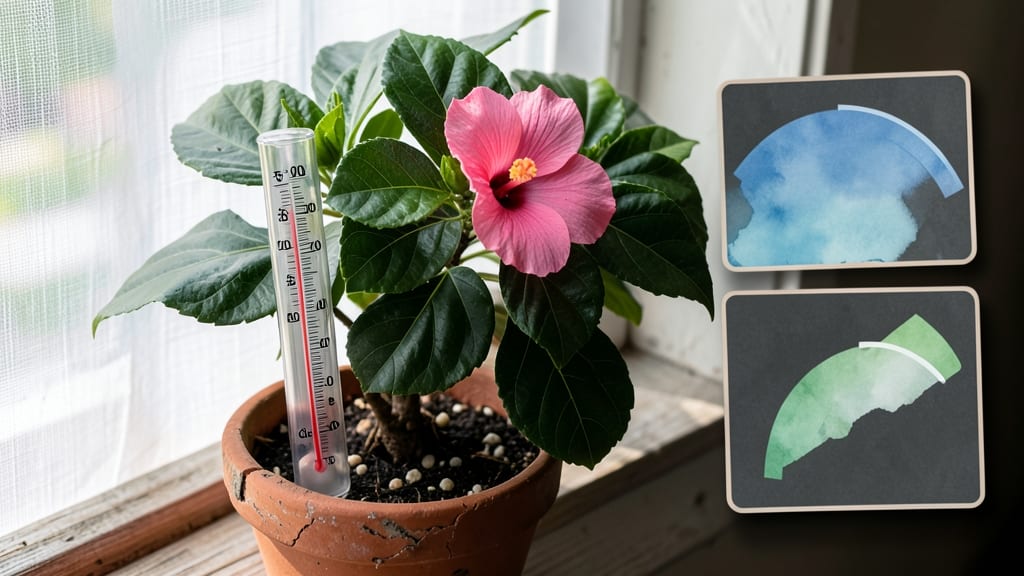
A hibiscus tree’s temperature tolerance determines whether it thrives or struggles in your climate — and knowing the exact ranges can save your plant from frost or heat stress.
Struggling to keep your hibiscus tree thriving through scorching summers or unexpected frosts? Understanding its exact temperature tolerance can mean the difference between a lush, blooming beauty and a struggling plant.
Most hibiscus varieties love warmth but can handle a surprising range of conditions, from 60°F to 90°F during the day. However, tropical types (like Hibiscus rosa-sinensis) wilt below 50°F, while hardier varieties like Hibiscus syriacus survive down to 10°F with the right care.
Below, I’ll break down the ideal temperature zones, how to spot heat or cold damage, and the simple steps to protect your 🌺 hibiscus tree year-round — whether you’re in a hot desert or a chilly coastal region.
Hibiscus tree heat zones: ideal temperature ranges for optimal growth
Understanding your hibiscus tree's temperature tolerance is key to growing a thriving, blooming plant. These tropical beauties love warmth but struggle in extreme conditions. Most varieties thrive in USDA zones 8-11, where daytime temperatures stay between 70°F and 95°F.
Nighttime temperatures should never dip below 60°F for optimal growth.
Hibiscus trees fall into two main categories: tropical hibiscus (like Hibiscus rosa-sinensis) and hardy hibiscus (such as Hibiscus syriacus). Tropical types are more sensitive to cold, while hardy varieties can tolerate cooler nights down to 20°F.
The wrong temperature range can cause heat stress or cold damage, both of which stunt growth and reduce flowering.
Let's break down the ideal temperature ranges for different hibiscus varieties and how seasonal fluctuations impact their growth and blooming cycles.
| Hibiscus Type | USDA Zones | Daytime Temp (°F) | Nighttime Temp (°F) | Heat Stress Signs | Flowering Impact |
|---|---|---|---|---|---|
| Tropical Hibiscus | 8-11 | 70-95°F | 60-75°F | Wilting, yellow leaves, bud drop | Reduced blooms in heat |
| Hardy Hibiscus | 5-9 | 65-85°F | 50-65°F | Brown leaf edges, stunted growth | Late spring blooms |
| Both Types | N/A | Above 100°F | Below 40°F | Leaf scorch, defoliation | No flowering |
In USDA zones 8-11, hibiscus trees thrive year-round with minimal stress. However, even in ideal zones, seasonal temperature fluctuations can impact growth. For example, tropical hibiscus may experience heat stress when daytime temperatures exceed 95°F, while hardy varieties might struggle if nights drop below 50°F.
When temperatures rise above 100°F, hibiscus trees show clear signs of heat stress. Leaves may develop brown edges or crisp, and buds often drop before opening. In extreme heat, even established plants can enter a dormant-like state to conserve energy.
To combat this, I always provide afternoon shade during peak summer months and increase watering frequency to daily deep soaks.
Conversely, hardy hibiscus varieties like Hibiscus syriacus can handle cooler temperatures, making them perfect for USDA zones 5-9. These varieties often bloom later in the season, typically from mid-summer to fall, when temperatures stabilize.
The trade-off is fewer blooms in hotter zones compared to tropical types, which can flower year-round in ideal conditions.
Seasonal temperature changes also affect the flowering cycle of hibiscus trees. In spring, when temperatures rise above 65°F, tropical hibiscus begin producing buds. However, if summer heat arrives too early, buds may drop before opening.
I’ve found that mulching around the base helps regulate soil temperature and reduces stress during these transitions.
For gardeners in borderline zones (7-8), choosing hardy hibiscus varieties is essential. These plants can tolerate brief dips into the 30s°F range, though prolonged cold will still damage them.
In these zones, I recommend planting near a south-facing wall to absorb and radiate heat, creating a microclimate that protects the tree from early frost.
Monitoring your hibiscus tree’s response to temperature changes is crucial. If you notice yellowing leaves, dropped buds, or stunted growth, it’s time to adjust care. For tropical hibiscus, this might mean moving potted plants to a shadier spot or increasing humidity.
For hardy types, a thick layer of mulch can insulate roots during temperature swings.
With the right temperature management, your hibiscus tree can reward you with vibrant blooms from spring to fall. Pay attention to local weather patterns, and don’t hesitate to provide temporary protection during extreme conditions.
A little extra care goes a long way in keeping these stunning plants happy and healthy! 🌺☀️
Cold survival secrets: how to protect hibiscus trees from frost damage
Frost can devastate your hibiscus tree overnight, especially if you're growing tropical varieties that aren't cold-hardy. The key to survival lies in understanding your specific hibiscus type and implementing temperature-specific protection before the first frost hits.
Hardy hibiscus (Hibiscus syriacus) can handle 20°F (-6°C), while tropical varieties typically perish below 35°F (2°C). Knowing these thresholds helps you prepare early.
Your hibiscus's resilience depends entirely on its variety. Tropical hibiscus (Hibiscus rosa-sinensis) thrives in USDA zones 10-12 and will suffer leaf burn at 32°F (0°C). Meanwhile, the hardy Hibiscus syriacus (rose of Sharon) withstands down to 20°F (-6°C) in zones 5-9.
This critical difference means your protection strategy should match your plant's genetic makeup.
Hibiscus Tree Temperature Tolerance Comparison
- ✅ Thrives in 70-90°F (21-32°C)
- ✅ 35°F (2°C) = Leaf damage
- ✅ 32°F (0°C) = Fatal
- ✅ USDA Zones 10-12
Pros: Vibrant blooms year-round
Cons: Needs winter protection
- ✅ Thrives in 60-85°F (15-29°C)
- ✅ 20°F (-6°C) = Safe
- ✅ 15°F (-9°C) = Leaf damage
- ✅ USDA Zones 5-9
Pros: Cold-resistant
Cons: Fewer blooms in heat
For tropical hibiscus, mulching is your first line of defense. Apply a 4-6 inch layer of straw or wood chips around the base in late fall to insulate roots. This simple step can raise soil temperatures by 5-10°F (3-6°C), giving your plant extra protection.
Pair this with a breathable frost blanket draped over the canopy when temperatures drop below 40°F (4°C) at night.
When nighttime temperatures hover around 35°F (2°C), consider container overwintering for potted hibiscus. Move containers to a garage or unheated shed where temps stay above 40°F (4°C).
Water sparingly—once every 2-3 weeks—to prevent root rot during dormancy. This method works best for smaller hibiscus trees under 6 feet tall.
Signs of frost damage include blackened leaves, brown stems, and drooping canopies. If you catch damage early, prune affected branches back to healthy green growth using sterilized pruners.
For severe cases, apply a balanced fertilizer (10-10-10) in early spring to stimulate new growth. Hardy hibiscus often bounce back within 4-6 weeks of warm weather.
Remember, prevention is easier than recovery. Start monitoring local frost forecasts in October and implement your protection plan 2-3 weeks before the first expected frost. With the right preparation, your hibiscus can survive winter and reward you with summer blooms that rival its tropical cousins. 🌿