
Pruning
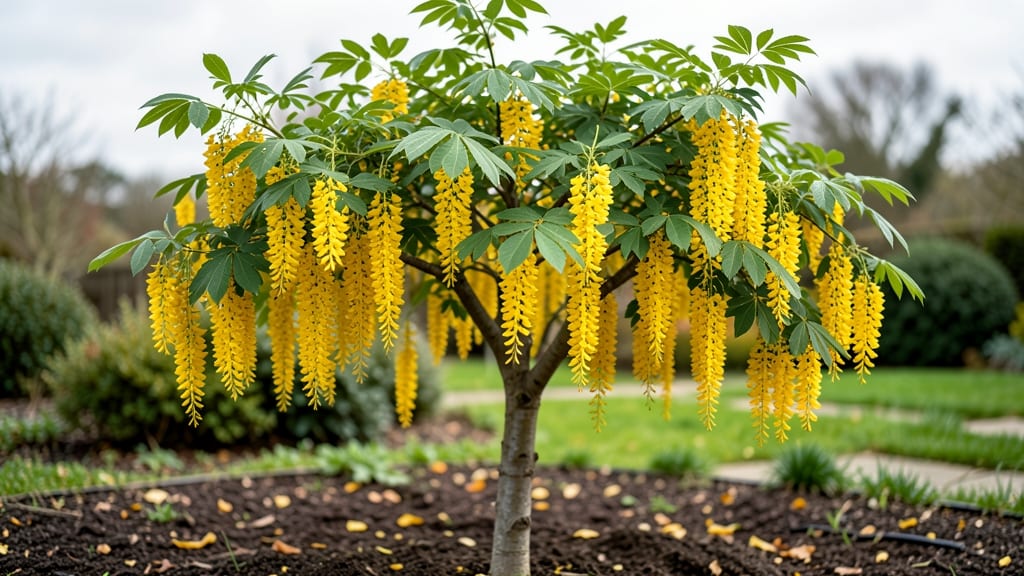
The Goldcrest tree thrives when you prune it like a pro—year-round care keeps it healthy and lush. 🌿 I've learned the hard way that skipping pruning leads to tangled branches and fewer blooms, but with the right timing and technique, this tree becomes the star of your landscape.
Start by understanding its natural shape—Goldcrest trees grow in a rounded form, so pruning should maintain that silhouette. Focus on removing dead or crossing branches first, then thin out the canopy to let light reach the center.
The key is to prune lightly in spring and summer, with just a touch in winter to avoid damaging new growth. By summer, you'll notice fuller foliage and more vibrant yellow blossoms, a reward for your efforts.
The tree’s resilience means even beginner mistakes won’t kill it, but consistency is what turns it from "okay" to "showstopper." Works in zones 8-11, so whether you're in a warm coastal climate or a mild desert area, this pruning plan adapts. Let’s get those branches looking their best!
📚 In This Guide
- What you need
- Instructions
- Tips and common mistakes
- Wrapping up and next steps
What you need
- ● Pruning shears: Bypass pruners (sharp, clean, and sterilized with rubbing alcohol or a 10% bleach solution). 1 pair (for small branches).
- ○ Pruning saw: Curved-tooth saw for thicker branches (½"–1" diameter). 1 saw (optional but helpful for larger cuts).
- ● Loppers: For medium branches (1"–2" diameter). 1 pair (recommended for efficiency).
- ● Gloves: Heavy-duty, cut-resistant gloves (e.g., mechanics’ or pruning gloves). 1 pair (protects from thorns and debris).
- ● Disinfectant: 70% isopropyl alcohol or copper-based fungicide (to prevent disease spread). Small bottle.
- ○ Pruning sealant: Wound dressing (e.g., Tanglefoot Tree Wound Pruning Seal) for cuts larger than ½". 1 tube (optional but reduces risk of infection).
- ● Extension pole: 6–10 ft telescoping pole with pruner attachment (for high branches). 1 pole (highly recommended for safety).
- ● Bucket or tarp: For collecting pruned branches and debris. 1–2 (helps keep the workspace clean).
- ● Safety glasses: Protects eyes from flying debris. 1 pair.
- ● Work boots: Sturdy, ankle-supporting boots for uneven terrain.
- ● Tree bag: Mesh bag to collect pruned material for composting.
- ● Notebook & pencil: To sketch a pruning plan or track growth progress.
- ● Ladder: Sturdy, 3-sided ladder (if branches are >10 ft high). 1 ladder (use with caution!).
- ● 🌡️ Best timing: Prune Goldcrest trees in late winter or early spring (before new growth starts) or summer (after flowering). Avoid pruning in fall to prevent disease.
- ● ☀️ Weather: Choose a dry, overcast day (wet tools can spread bacteria).
- ● 📏 Know your tree: Identify dead, diseased, or crossing branches before starting. Research your Goldcrest variety for species-specific needs.
- ● 🚫 Safety first: Ensure the area below is clear of pets, kids, or bystanders.
Step-by-step guide to pruning your Goldcrest tree year-round
Here's how I keep my Goldcrest trees thriving with minimal effort—just follow these seasonal cuts.
✂️ Step 1: Early Spring Cleanup (March-April)
Start by removing any dead, damaged, or crossing branches first—these are your priority cuts. I use sharp bypass pruners to make clean cuts just outside the branch collar (that swollen area where the branch meets the trunk). This prevents unsightly stubs and helps wounds heal faster. Look for branches that rub against each other or grow inward—they'll eventually crack or stunt growth.
Next, thin out about 10-15% of the canopy to improve airflow and sunlight penetration. Focus on branches growing toward the center of the tree. You'll see new growth buds forming along the remaining branches within 2-3 weeks—that's your signal everything's working. Avoid heavy pruning now; you want to preserve energy for new leaf production.
☀️ Step 2: Summer Maintenance (June-August)
During summer, I do light maintenance only—just remove any suckers (those vigorous shoots sprouting at the base) and water sprouts (shoots growing from the trunk). These compete with your main structure for nutrients. Use your fingers or a small pruner to pinch them off at the base. Summer is also when I check for any storm damage or pest-infested branches that might have appeared.
This is the time to shape your tree subtly. If any branches are growing too aggressively in one direction, make a small cut just above an outward-facing bud to encourage growth in the direction you want. You'll notice the tree's overall density improves as you go—more light reaches the lower branches, which means healthier foliage all the way down.
🍂 Step 3: Late Fall Preparation (October-November)
In late fall, I focus on removing any branches that died over the summer or were weakened by pests. These are easy to spot—they'll be brown and brittle, while healthy branches bend slightly. Make your cuts at the branch collar again, and sterilize your pruners between cuts with rubbing alcohol to prevent spreading disease. This is also when I do any structural pruning needed to maintain the tree's shape for winter.
Reduce watering now as the tree enters dormancy, but keep the soil slightly moist. You'll see fewer leaves dropping if you've done good summer maintenance. The goal here is to prepare the tree for winter—remove anything that might harbor pests or diseases over the cold months. I always finish by giving the base a fresh layer of mulch (about 2-3 inches deep) to protect roots.
❄️ Step 4: Winter Pruning (December-February)
Winter is actually the best time for major structural pruning because the tree isn't actively growing. I wait until a mild day (above 40°F) to work. Look for any dead wood first—it's easy to spot now without leaves. Then I remove any branches that are growing too close together or creating weak crotches (where branches meet at sharp angles). These cuts should be made at the branch collar, just like always.
This is also when I check for any storm damage that might have occurred over winter. If you see any broken branches, make clean cuts just outside the branch collar. You'll notice how much easier it is to see the tree's structure without leaves—it's like seeing its skeleton, which makes planning your cuts much simpler. The tree will reward you with vigorous spring growth if you've done this right.
Tips & tricks for Goldcrest tree pruning success
These practical insights will help you maintain your Goldcrest tree's health with confidence.
Tool Prep: Always sterilize your pruning tools with rubbing alcohol between cuts, especially in late fall when diseases spread easily. I keep a small bottle of 70% isopropyl alcohol in my toolkit—just dab it on the blades after each cut. This simple step prevents fungal infections that can weaken your tree over time. Sharp tools also make cleaner cuts that heal faster, so invest in quality bypass pruners if yours are dull.
Seasonal Timing: The 40°F minimum temperature in winter is crucial—cold snaps can stress the tree. I wait for a mild day above 40°F to prune, typically checking the forecast for a 3-day window. This timing lets me work efficiently while avoiding frost damage. In early spring, watch for those 2-3 week growth signals—they confirm you've pruned at the right time for optimal regrowth.
Visual Cues: Healthy branches bend slightly when you test them, while dead wood snaps easily. In summer, look for suckers growing from the base—they're easy to spot as thin, fast-growing shoots. For shaping cuts, identify outward-facing buds before making your snip. This visual approach helps you prune with precision without overthinking the process.
Pro Tips for Goldcrest Tree Care
- These practical insights will help you maintain your Goldcrest tree's health with confidence.
- Tool Prep: Always sterilize your pruning tools with rubbing alcohol between cuts, especially in late fall when diseases spread easily.
- Seasonal Timing: The 40°F minimum temperature in winter is crucial—cold snaps can stress the tree.
Frequently asked questions
Got questions about keeping your Goldcrest tree thriving? You’re not alone! Here are some of the most common concerns—plus straightforward answers to keep your tree happy and healthy year-round.
When is the best time to prune a Goldcrest tree?
The ideal time is late winter or early spring (before new growth starts), but you can also prune lightly after flowering in spring. Avoid heavy pruning in fall—it can stimulate tender growth that won’t survive winter. For shaping, prune gradually to avoid stressing the tree.
How much can I trim without harming the tree?
Never remove more than 25% of the canopy in one season. Goldcrest trees handle light pruning well, but aggressive cuts can weaken the tree or reduce flowering. Focus on dead, diseased, or crossing branches first, then shape as needed.
Why are my Goldcrest tree leaves turning yellow or dropping?
Yellowing leaves often signal overwatering, underwatering, or nutrient deficiencies. Check soil moisture (it should be damp but not soggy) and adjust watering. Yellow edges? It could be low humidity or chlorosis (iron deficiency)—try a chelated iron supplement or mulch to retain moisture.
Can I prune a Goldcrest tree in summer?
Yes, but minimize heavy pruning during peak summer heat. Light trimming to improve airflow is fine, but avoid removing more than 10% of the foliage. Prune on cool, cloudy days to reduce stress on the tree.
What’s a good alternative if my Goldcrest tree isn’t thriving?
If your Goldcrest struggles with your climate or care demands, consider similar low-maintenance trees like Forsythia (bright yellow blooms), Viburnum (durable and fragrant), or Weigela (vibrant flowers). All three tolerate pruning well and offer seasonal interest!
Wrapping up and next steps
Caring for your goldcrest tree year-round doesn’t have to be overwhelming—just follow these simple steps to keep it thriving! With the right tools, timing, and techniques, you’ll enjoy a lush, healthy tree that adds beauty to your landscape for years. 🌿
Ready to take the next step? Start by scheduling your first pruning session this spring and observe how your tree responds. Over time, you’ll become more confident in your skills—and your goldcrest will reward you with vibrant growth! Happy pruning! ✂️💚