
Pruning
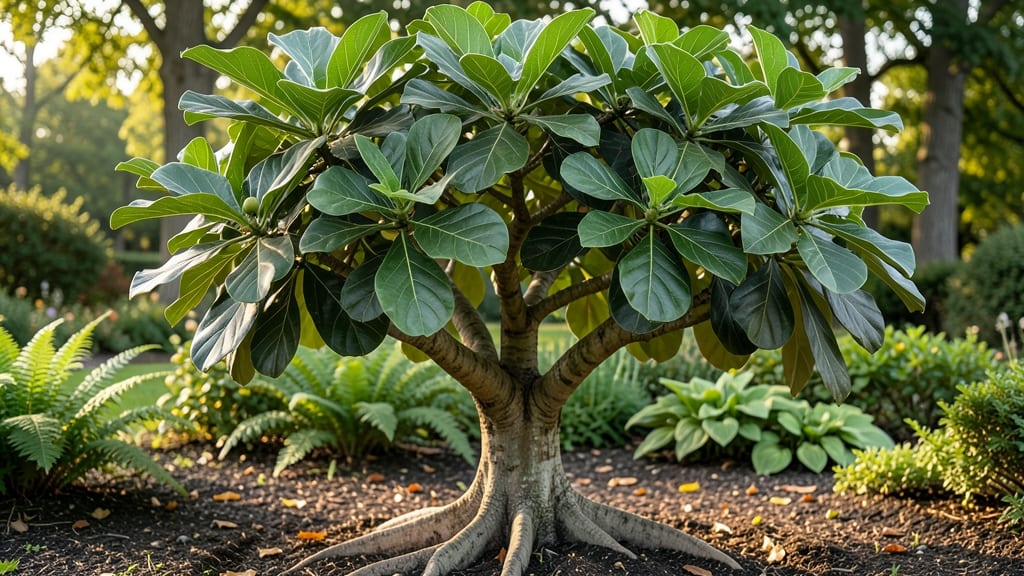
Your ficus lyrata tree deserves a life outdoors—where it can stretch its glossy leaves toward the sky and grow twice as fast. 🌿 I’ve moved mine outdoors every spring for five years, and the difference is shocking: thicker stems, deeper green, and blooms that never happen indoors.
The key isn’t just sunlight (though that helps), but understanding how to transition it without shock or pests.
Start by choosing a spot with bright, indirect light—think dappled shade under tall trees or a sheltered patio. Direct afternoon sun will scorch those delicate leaves, while too much shade slows growth.
Amend your soil with compost to mimic its tropical roots, and water when the top 2 inches feel dry. The first year outdoors is critical: too much sun or wind stress will stunt it for life.
By summer, you’ll notice new growth shooting from the tips, and those iconic fiddle-shaped leaves will grow 20-30% larger than indoors. Prune leggy branches in early spring to encourage bushier shape, and watch for spider mites—your first sign they’re unhappy is dusty leaves.
A quick spray of water usually fixes it before they take hold.
Here’s the secret most people miss: Bring it indoors before temps drop below 50°F. I’ve lost two trees to winter neglect, but now I move mine in by October and give it a month of lower light to adjust.
With this routine, your ficus lyrata will thrive outdoors all season—and come back bigger every year.
📚 In This Guide
- What you need
- Instructions
- Tips and common mistakes
- Wrapping up and next steps
What you need
- ● Ficus lyrata tree: A healthy, potted plant (3–5 gallons) or bare-root sapling from a nursery. Pro tip: Choose one with vibrant leaves and no brown spots!
- ● High-quality potting soil: 1–2 bags (5–10 gallons) of well-draining, peat-based mix (or cactus/succulent blend for extra drainage).
- ● Pot or planter: For potted trees: A container 2–4 inches larger in diameter than the root ball, with drainage holes.
- ● For in-ground planting: A hole twice as wide as the root ball and just as deep.
- ● Pruning tools: Clean, sharp bypass pruners (for small branches).
- ● Small hand saw (for thicker stems).
- ● Gloves: A pair of sturdy gardening gloves to protect your hands from sap and thorns.
- ● Mulch: 1–2 bags of organic mulch (e.g., bark or shredded leaves) to retain moisture and regulate soil temp.
- ● Slow-release fertilizer: A granular or spike fertilizer (e.g., 10-10-10 NPK ratio) for a nutrient boost.
- ● Support stake: A bamboo or metal stake (4–6 feet tall) if your tree is top-heavy or in a windy spot.
- ● Tree collar: A protective barrier (e.g., plastic or metal guard) to shield the trunk from pets or curious critters.
- ● Spray bottle: For misting leaves during dry spells (especially in winter).
- ● Soil moisture meter: To check root-zone hydration without overwatering.
- ● A sunny outdoor spot with 4–6 hours of direct sunlight daily (morning sun is ideal to avoid leaf scorch).
- ● Well-draining soil (amend heavy clay with perlite or sand if needed).
- ● Access to water (a hose with a gentle spray nozzle or watering can).
- ● Patience! Ficus lyrata grows slowly—give it time to establish roots before heavy pruning.
Step-by-step guide to planting and caring for a Ficus lyrata tree outdoors
Here’s how to give your fiddle-leaf fig the perfect outdoor home for vibrant growth all year.
🪴 Step 1: Choose the Right Location and Prepare the Soil
Pick a spot with bright, indirect sunlight—think dappled shade under a tree or a sheltered patio. Ficus lyrata thrives in 60-75°F temperatures but can handle brief drops to 50°F. Avoid harsh afternoon sun, which can scorch the leaves.
Test the soil for drainage—fiddle-leaf figs hate soggy roots. Amend heavy clay with 2-3 inches of compost or organic matter to loosen it. If planting in a container, use a well-draining potting mix with perlite or sand to prevent compaction.
☀️ Step 2: Plant at the Correct Depth and Water Thoroughly
Dig a hole twice as wide as the root ball but only as deep. Place the tree in so the top of the root ball sits 1 inch above soil level—this prevents rot. Gently backfill with soil, pressing lightly to remove air pockets but not compacting too tightly.
Water deeply right after planting until moisture drains 6 inches below the surface. You’ll know it’s enough when water runs out the drainage holes (if in a pot) or pools briefly on the ground. Let the top 2 inches of soil dry before watering again—consistent moisture is key, but soggy roots will kill your tree.
💧 Step 3: Establish a Watering and Fertilizing Routine
Water when the top 2 inches of soil feel dry to the touch. In summer, this might mean every 5-7 days; in winter, stretch it to every 10-14 days. Overwatering is the #1 killer—yellow leaves or mushy stems mean you’re drowning the roots.
Feed with a balanced liquid fertilizer (10-10-10) every 4-6 weeks during spring and summer. Cut back in fall and winter—your tree’s growing slower then. I like to mix fertilizer with water and apply it to the soil, not the leaves, to avoid chemical burns.
✂️ Step 4: Prune and Maintain for Healthy Growth
Prune in late winter or early spring before new growth starts. Remove any yellow or damaged leaves with clean, sharp pruners. Cut just above a leaf node to encourage branching—this keeps your tree full and bushy.
Wipe leaves occasionally with a damp cloth to remove dust, which blocks sunlight. If you notice brown tips, it’s usually low humidity—mist the leaves lightly or place a tray of water nearby. Ficus lyrata loves humidity but can’t tolerate drafts, so keep it away from AC vents or open windows.
⏰ Step 5: Protect Through Seasonal Changes
In summer, watch for pests like spider mites—they love dry conditions. Spray with neem oil if you see webbing or tiny yellow spots. Move your tree indoors or to a sheltered spot if temperatures drop below 50°F—fiddle-leaf figs are tropical and won’t survive frost.
In winter, reduce watering and stop fertilizing. If indoors, keep it near a bright window or under grow lights for 12-14 hours daily. The goal is to mimic its natural dormancy period—less stress means stronger growth when spring arrives.
Tips & tricks for perfect Ficus lyrata tree outdoor care
Let me share the little-known details that make all the difference between a struggling fiddle-leaf fig and one that thrives outdoors.
Location Precision: When choosing that perfect bright, indirect spot, pay attention to how sunlight moves throughout the day. Morning sun with afternoon shade is ideal—this prevents the intense heat that can cause leaf scorch. I've seen trees in full sun develop brown patches by afternoon, so if you don't have dappled shade options, consider a sheer curtain for midday protection. The 60-75°F range is your sweet spot, but remember that afternoon temperatures can spike even in "ideal" locations.
Soil Test Trick: Before amending your soil, do this quick test: Grab a handful of soil and squeeze it tightly. If it holds its shape like clay, you definitely need that 2-3 inches of compost. If it crumbles easily, your soil's already well-draining. For container plants, I mix my well-draining potting mix with an extra 20% perlite—this creates air pockets that prevent those dreaded soggy roots that kill fiddle-leaf figs faster than anything else.
Watering Secret: That 6-inch deep watering after planting might seem like a lot, but it's what establishes strong root growth. Here's what I do: Water until you see moisture pooling at the surface, then wait 10 minutes before adding more. This ensures water penetrates deeply rather than just wetting the top inch. For containers, I check the weight—when it feels noticeably lighter, that's your cue to water again.
Seasonal Transition Tip: When winter approaches and you're reducing watering to every 10-14 days, don't just cut back abruptly. Gradually space out your waterings over 2-3 weeks to let the tree adjust. I also move my outdoor figs to a sheltered porch before temperatures consistently drop below 50°F—this gives them a buffer zone before needing full indoor protection.
Pro Tips for Ficus Lyrata Tree Outdoor
- Let me share the little-known details that make all the difference between a struggling fiddle-leaf fig and one that thrives outdoors.
- Location Precision: When choosing that perfect bright, indirect spot, pay attention to how sunlight moves throughout the day.
- Soil Test Trick: Before amending your soil, do this quick test: Grab a handful of soil and squeeze it tightly.
Frequently asked questions
Got questions about keeping your Ficus lyrata thriving outdoors? You’re not alone!
Here are answers to the most common queries—from sunlight struggles to winter care—so you can grow a lush, leafy centerpiece with confidence.
Can a Ficus lyrata survive full sun outdoors?
While Ficus lyrata loves bright light, direct afternoon sun can scorch its leaves. Aim for morning sun + afternoon shade (especially in hot climates). If leaves yellow or crisp, move it to a spot with dappled sunlight or filtered light—like under a sheer curtain or near a north-facing window.
How do I protect my Ficus lyrata from winter outdoors?
Ficus lyrata is tender to frost—it thrives in USDA zones 10–12. For colder areas:
- Bring it indoors before temps drop below 50°F (10°C).
- If outdoors year-round, wrap the pot in burlap and place it in a sheltered spot (e.g., against a south-facing wall).
- Avoid wet soil in winter—reduce watering to prevent root rot.
Why are my outdoor Ficus lyrata leaves drooping?
Drooping leaves usually signal underwatering or overwatering. Check the soil:
Too dry? Water deeply until it drains from the bottom. Ficus lyrata prefers slightly moist (not soggy) soil.
Too wet? Let the top 1–2 inches dry out before watering again. Ensure the pot has drainage holes!
What’s the best soil mix for outdoor Ficus lyrata?
A well-draining mix is key! Use a blend of:
- 50% peat-free potting soil (or coconut coir for sustainability).
- 30% perlite or pumice (for aeration).
- 20% orchid bark or worm castings (for nutrients).
Can I prune my Ficus lyrata outdoors in winter?
Winter is not ideal for pruning—it stresses the plant when it’s already dormant. Wait until spring or early summer to:
- Trim dead or yellow leaves.
- Shape the tree by cutting just above a leaf node (where new growth emerges).
- Avoid heavy pruning—stick to light shaping to encourage bushier growth.
Are there outdoor alternatives to Ficus lyrata?
If you love the Ficus lyrata’s drama but need hardier options, try:
- Rubber Plant (Ficus elastica): Tougher, tolerates more shade.
- Schefflera (Schefflera arboricola): Similar glossy leaves, cold-hardy to 45°F (7°C).
- Monstera deliciosa: Larger leaves, thrives in bright indirect light.
- Dracaena marginata: Spiky, architectural, and drought-tolerant.
Wrapping up and next steps
Growing a Ficus lyrata (or fiddle-leaf fig) outdoors is a rewarding journey—with the right care, this stunning plant thrives year-round in sunny spots! 🌿✨ Remember to prioritize well-draining soil, bright indirect light, and consistent moisture, while avoiding harsh pruning unless necessary.
Whether you’re a seasoned gardener or just starting, your fiddle-leaf fig will reward you with lush, dramatic foliage that brightens any outdoor space.
Ready to take the next step? Monitor your tree’s growth, adjust care as seasons change, and don’t hesitate to share your progress with fellow plant lovers! Happy growing—your outdoor oasis awaits. 🌟