
Neem Oil
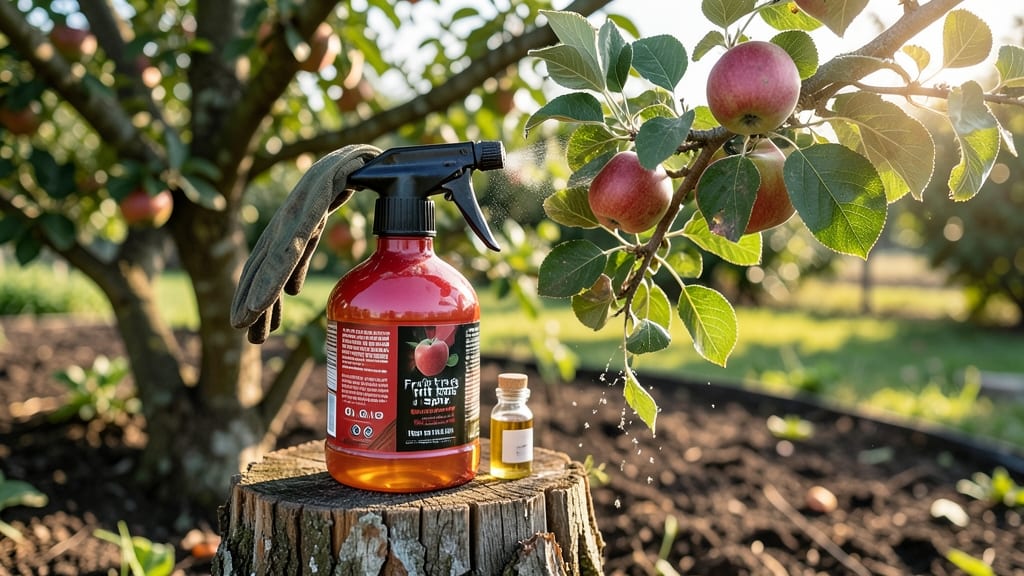
Neem oil spray saved my peach tree last summer when Japanese beetles turned the leaves to lace. 🌱 The secret weapon in your fruit tree pest control toolkit, this spray disrupts insect life cycles while smothering fungal spores—without harsh chemicals that harm your harvest.
Most gardeners grab either neem oil (derived from seeds) or horticultural oil (petroleum-based), both effective but with different application windows. Neem works during active growth, while horticultural oil is best applied in dormant season to avoid damaging blossoms.
I’ve used both, and the results speak for themselves: fewer pests, healthier fruit, and no chemical residue on my produce. You’ll see improvement within 7-10 days of application, with pests either dying outright or leaving your tree alone.
The key is consistency—reapply every 7-14 days during outbreaks, and always spray in the early evening to protect bees and other pollinators. Fair warning: this isn’t a quick fix for severe infestations, but for ongoing prevention? It’s the safest, most reliable method I’ve found.
Just don’t spray when flowers are open—bees need those blooms more than your tree needs the oil.
📚 In This Guide
- What you need
- Instructions
- Tips and common mistakes
- Wrapping up and next steps
What you need
- ● Neem oil (organic, cold-pressed): 1 tablespoon (15 mL) – the star ingredient!
- ● Water: 1 quart (32 oz or ~1 liter) – filtered or distilled preferred
- ● Dish soap (mild, biodegradable): ½ teaspoon (2.5 mL) – helps emulsify the oil
- ● Spray bottle: 16–32 oz (473–946 mL) – with a fine mist nozzle
- ● Measuring spoons/cups: for precise mixing
- ● Wooden spoon or whisk: to blend ingredients thoroughly
- ○ Optional boosters: Garlic or cayenne pepper: ½ teaspoon (for extra pest repellent)
- ○ Horticultural oil (optional): ½ tablespoon (for stubborn fungus)
Step-by-Step instructions for making fruit tree oil spray
Here's the reliable method I've used for years to protect my orchard—simple, effective, and safe for your trees.
🌿 Step 1: Gather and Prepare Your Materials
You'll need 1 quart of water, 1 tablespoon of neem oil, 1 teaspoon of horticultural oil, 1 teaspoon of mild liquid soap (like Castile soap), and a spray bottle or pump sprayer. The neem oil disrupts pests' life cycles, horticultural oil smothers soft-bodied insects, and soap helps the mixture adhere to leaves.
Mix the soap with the water first—this ensures it dissolves completely before adding the oils. Stir gently to avoid creating suds. If you notice any separation later, shake the bottle vigorously before each use. I always prepare this spray in the evening to avoid harming bees or other beneficial insects active during the day.
💧 Step 2: Combine Ingredients for Maximum Effectiveness
Add the neem oil and horticultural oil to the soapy water mixture. Use a wooden spoon or chopstick to stir thoroughly—this prevents oils from clumping. The solution should look milky but not greasy. If you see oil pooling on top, you're using too much; dilute with an additional ¼ cup of water and stir again.
This blend works best when applied to damp foliage—just spray when leaves are dry but before the sun reaches its peak intensity. The oils need time to settle on the leaf surfaces, so aim for early morning or late afternoon applications. I like to test the spray on a small branch first to ensure it doesn't cause any leaf burn.
✂️ Step 3: Apply the Spray Systematically
Start at the outermost branches and work your way inward, ensuring you cover both the tops and undersides of leaves. Pests like aphids, mites, and fungal spores often hide on the undersides, so don't skip this step. Use a fine mist setting if your sprayer has one—this ensures even coverage without runoff.
Focus on new growth, buds, and any areas with visible signs of infestation. Reapply every 7-10 days or after rain, as water can wash the spray away. I've found that consistent applications prevent more problems than treating only when pests appear. Always store the spray in a cool, dark place to preserve its potency.
☀️ Step 4: Monitor and Adjust for Best Results
After your first application, watch for visible pest die-off within 3-5 days. You'll see fewer aphids, mites, or signs of fungal spots like powdery mildew. If pests persist, increase the frequency to every 5-7 days or add a 1% solution of potassium bicarbonate (½ teaspoon per quart) to boost antifungal properties.
Rotate this spray with other organic treatments like garlic or chili pepper sprays every few weeks to prevent resistance. I also recommend pruning any heavily infested branches to improve airflow and reduce fungal spread. The key is consistency—this spray won't work overnight, but with regular use, your trees will stay healthier season after season.
Tips & tricks for effective fruit tree oil spray application
To get the most out of your neem-based spray, here are the key details that'll make all the difference in protecting your orchard.
Mixing Order Matters: When combining ingredients in Step 1, always dissolve the 1 teaspoon of mild liquid soap in the 1 quart of water first—this prevents oil separation later. I learned this the hard way after dealing with clumpy mixtures that wouldn't spray evenly. Stir gently with a wooden spoon to avoid creating suds, which can interfere with oil adhesion.
Dilution Precision: If you see oil pooling after adding the 1 tablespoon of neem oil and 1 teaspoon of horticultural oil in Step 2, don't panic. Simply add the suggested ¼ cup of water and stir again. This keeps the solution milky but not greasy, ensuring even coverage. The goal is a fine mist that clings to leaves without running off.
Timing is Everything: Apply the spray during early morning or late afternoon when leaves are dry but temperatures are mild. This timing prevents leaf burn while allowing oils to settle properly on foliage. I always test on a small branch first—if you see any discoloration within 24 hours, dilute with an extra ¼ cup of water next time.
Consistency is Key: The 7-10 day reapplication schedule in Step 3 is critical. Rain can wash away the spray, so check your trees after storms. Store your spray in a cool, dark place between uses—light and heat degrade the oils' effectiveness. I keep mine in a glass jar with a tight lid in my garage toolbox.
Pro Tips for Fruit Tree Oil Spray
- To get the most out of your neem-based spray, here are the key details that'll make all the difference in protecting your orchard.
- Mixing Order Matters: When combining ingredients in Step 1, always dissolve the 1 teaspoon of mild liquid soap in the 1 quart of water first—this prevents oil separation later.
- Dilution Precision: If you see oil pooling after adding the 1 tablespoon of neem oil and 1 teaspoon of horticultural oil in Step 2, don't panic.
Frequently asked questions
Got questions about using fruit tree oil spray? You’re not alone!
Here are answers to the most common concerns—from timing to troubleshooting—so you can confidently protect your trees with neem oil.
How often should I spray fruit trees with neem oil?
For preventive care, apply neem oil spray every 7–14 days during peak pest seasons (spring/summer). If treating an active infestation, spray every 5–7 days until pests disappear. Always follow up with a 7-day gap before harvesting fruit to ensure safety.
When is the best time of day to spray?
Spray early morning or late afternoon when temperatures are below 85°F (29°C) to prevent stressing the tree. Avoid direct sunlight—it can cause the oil to evaporate too quickly. A light mist on leaves is ideal; heavy saturation may clog pores.
Can I use neem oil spray right before fruit harvest?
No! Wait at least 7 days between your final spray and harvesting to avoid residue on fruit. For organic certification, extend the wait to 14 days. Always check the specific product label for harvest intervals, as concentrations vary.
What’s a good alternative if I don’t have neem oil?
Try these natural alternatives for fruit trees:
- Horticultural oil (for mites/scale)
- Garlic/pepper spray (homemade pest repellent)
- Kaolin clay (physical barrier for insects)
- Soap spray (mild insecticide; test on a small leaf first!)
Why isn’t my neem oil spray working? Troubleshooting tips
If pests persist, check these fixes:
- Mix properly: Use 1 tbsp neem oil + 1 tsp mild soap per gallon of water.
- Cover undersides: 80% of pests hide there—spray thoroughly!
- Reapply after rain: Water washes off the oil.
- Rotate treatments: Some pests build resistance; combine with pyrethrin or beneficial nematodes.
Wrapping up and next steps
Harnessing the power of fruit tree oil spray—especially with neem oil—can transform your garden into a thriving, pest-free paradise! 🌿 With just a few simple ingredients and a little effort, you’ve got a natural, eco-friendly solution to protect your trees from common threats.
The best part? You’re not just safeguarding your harvest; you’re fostering a healthier ecosystem for future growth.
Ready to take action? Start small—test the spray on one tree first, observe the results, and gradually expand your defenses. Your fruit trees will thank you with bountiful, delicious yields! 🍎✨