
Pruning
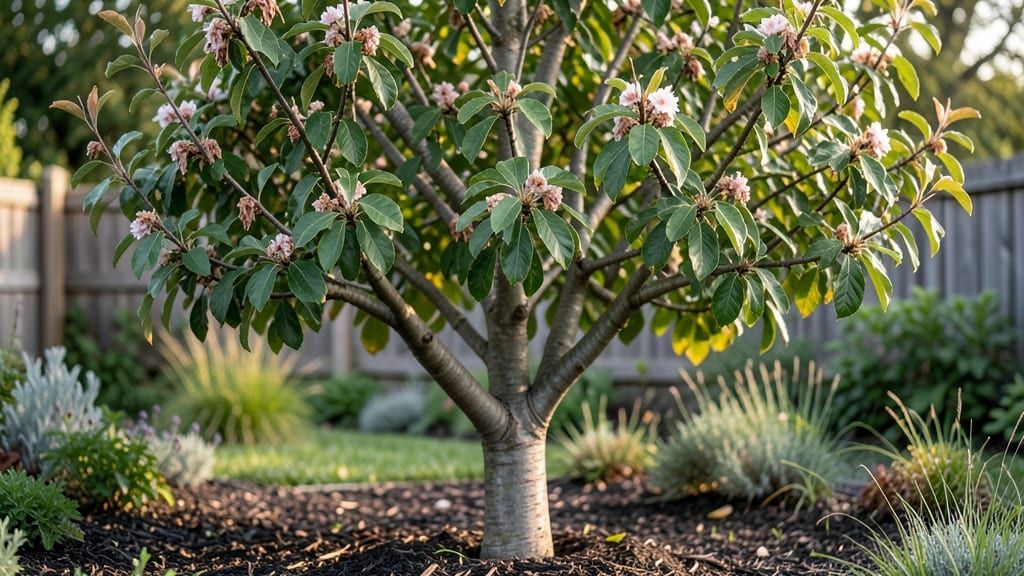
Growing a peach tree in Vancouver means choosing the right varieties and pruning like a pro—especially with our unpredictable coastal climate. 🌿 I’ve learned that low-chill types like ‘Redhaven’ or ‘Elberta’ thrive here, but they need careful winter pruning to handle our occasional frost.
The key is shaping branches early to maximize fruit production while keeping the tree healthy through Vancouver’s damp winters.
Start by pruning in late winter before buds swell, removing dead wood and crossing branches first. Use sharp pruners to make clean cuts just above outward-facing buds—this encourages strong growth. Vancouver’s urban heat islands can bake peach trees in summer, so avoid heavy pruning then.
Instead, do light summer pruning to improve airflow and reduce disease risk from our frequent rain.
You’ll see the payoff in summer with heavy crops of juicy peaches, but watch for brown rot—a common fungal issue here. Thin fruit early to prevent overcrowding, and mulch heavily to protect roots from temperature swings.
Dwarf varieties work well in small yards, but even full-size trees can thrive with proper care.
Adapt your approach based on your microclimate: coastal areas get milder winters, while inland spots may need extra frost protection. With the right techniques, your peach tree will reward you with fruit for years—even in Vancouver’s tricky climate.
📚 In This Guide
- What you need
- Instructions
- Tips and common mistakes
- Wrapping up and next steps
What you need
- ● Pruning shears: Bypass pruners (for cuts sharp, rust-proof (e.g., Felco or Fiskars).
- ● Loppers: 1 pair (for branches 1–2 inches thick). Look for ratchet-assisted models for ease.
- ● Pruning saw: 1 handheld saw (for thick branches >2 inches). A curved blade works best.
- ● Disinfectant: 70% isopropyl alcohol or copper-based spray (to prevent bacterial spread).
- ○ Pruning sealant: Optional but helpful (e.g., Tanglefoot Tree Wound Pruning Seal) for large cuts.
- ● Gloves: Heavy-duty, cut-resistant gloves (thorns are no joke!).
- ● Safety gear: Safety glasses + long sleeves/pants (Vancouver’s branches can be spiky!).
- ● Weather check: Prune on a dry, overcast day (Vancouver’s rain can make cuts heal poorly).
- ● Tree health assessment: Inspect for diseased or dead branches (remove these first).
- ● Ladder (if needed): Extendable or sturdy step ladder for tall branches (max 20 feet for safety).
- ● Cleanup supplies: Heavy-duty trash bags + rake (for debris).
- ● Tree paint: For sealing cuts >1 inch (e.g., Tree Seal Tape).
- ● Marking spray: Fluorescent paint to mark branches for removal (great for visual planning).
- ● Tree growth regulator: Post-pruning (e.g., Bonide Fruit Tree Spray) to boost health.
- ● Camera: Snap before/after pics—your peach tree’s transformation will be stunning!
Step-by-step instructions for pruning a peach tree in Vancouver
Here’s the seasonal pruning plan I’ve used to keep my peach tree producing sweet fruit year after year in Vancouver’s mild but rainy climate.
✂️ Step 1: Prune for Structure in Late Winter (Before Bud Break)
Timing is everything—wait until late February or early March when the tree is still dormant but before buds swell. Vancouver’s winter rains can soften branches, so avoid pruning during wet spells. Start by removing any dead, diseased, or crossing branches first—they’re the easiest to spot and won’t produce fruit anyway.
Next, open up the center of the tree by cutting back branches that grow inward. This improves airflow and sunlight penetration, which prevents fungal diseases like brown rot that peach trees dread. Make cuts just outside the branch collar (the swollen area where the branch meets the trunk) at a 45-degree angle. Use sharp bypass pruners to avoid tearing the bark.
I like to step back every few cuts to visualize the tree’s shape. Aim for a vase-like form with a strong central leader. If your tree has multiple leaders, thin them to one dominant trunk to prevent weak growth. Vancouver’s coastal climate means peach trees grow vigorously—keep this in mind when deciding how much to remove.
☀️ Step 2: Light Summer Pruning After Harvest (June-July)
After the fruit harvest, give your peach tree a second look in late June or early July. This is when you’ll spot water sprouts (fast-growing vertical shoots) and suckers (shoots growing from the base or roots). These compete with fruit production, so remove them completely at the base with clean cuts.
Next, thin out some of the fruit clusters if the tree is overloaded. Peach trees produce more fruit than they can ripen properly, and overcrowded branches lead to small, poor-quality fruit. Leave 6-8 inches of space between fruit clusters on each branch—this ensures the remaining peaches get enough sunlight and nutrients to sweeten properly.
If you notice any branches with signs of disease (like black spots or oozing sap), prune those out immediately and sterilize your tools with rubbing alcohol. Vancouver’s damp summers create perfect conditions for fungal spores, so don’t skip this step. I also water at the base after pruning to help the tree recover quickly.
⏰ Step 3: Clean Up and Prepare for Winter (November)
As Vancouver’s rains return in November, do a final walk-through to remove any remaining dead or weak branches. This prevents pests and diseases from hiding in the tree over winter. Rake up and dispose of all pruned branches—don’t compost them if they show signs of disease.
Now’s also the time to apply a 2-3 inch layer of mulch around the base (but not touching the trunk) to protect roots from winter chill. I use wood chips because they break down slowly and improve soil structure. This layer helps regulate soil temperature and retain moisture during Vancouver’s wet winters.
Finally, give the tree a light pruning to shape it for next year. Focus on removing any branches that are rubbing against each other or growing in awkward directions. A well-pruned peach tree in winter will reward you with strong new growth come spring—and that’s when the real magic happens for fruit production.
🌱 Step 4: Monitor and Adjust Through the Seasons
Peach trees in Vancouver’s climate respond well to attentive care, so check your tree every few weeks during growing season. If you notice new shoots growing from the base (suckers), remove them promptly—they drain energy from your fruit-bearing branches.
Pay special attention to the tree’s water needs. Vancouver’s rainy winters mean you might not need to water much, but dry spells in summer can stress the tree. Water deeply once a week during dry periods, aiming for 1-1.5 gallons per square foot of canopy. You’ll know you’re doing it right when water drains 6 inches into the soil.
If your peach tree starts producing fewer peaches, it might need more sunlight. Vancouver’s coastal fog can limit light, so consider thinning nearby trees or shrubs to let more sunlight reach the canopy. A happy peach tree in full sun will give you fruit for years—just keep pruning and adjusting as needed.
Tips & tricks for pruning a peach tree in Vancouver
Vancouver’s unique climate demands extra attention when pruning peach trees—here’s how to make every cut count for maximum fruit production.
The Right Timing Matters: Late February to early March is your window for the first pruning, but don’t rush—wait until buds are still dormant. I’ve learned the hard way that pruning too early can stimulate premature growth when Vancouver’s unpredictable spring rains arrive. Also, avoid pruning during wet spells, as softened branches are more vulnerable to damage. The goal is to shape the tree before it wakes up for the growing season.
Tool Prep Prevents Problems: Always sterilize your pruners with rubbing alcohol between cuts, especially in Step 2 when you’re dealing with potential disease. I keep a small bottle of 70% isopropyl alcohol in my tool kit—it’s a game-changer for preventing fungal spread in Vancouver’s damp summers. And never use dull tools; sharp bypass pruners make clean cuts just outside the branch collar, which heals faster and reduces disease entry points.
Visualize the Vase Shape: When opening up the center in Step 1, step back frequently to check your progress. You’re aiming for a vase-like form with a strong central leader—this allows sunlight to penetrate all the way to the inner branches where fruit develops. In Vancouver’s coastal climate, peach trees grow vigorously, so resist the urge to remove too much at once. A good rule is to never remove more than 25% of the tree’s foliage in a single session.
Mulching Magic for Winter: That 2-3 inch layer of wood chips in Step 3 isn’t just decoration—it’s insulation. In Vancouver’s wet winters, proper mulching helps regulate soil temperature and retain moisture while protecting roots from winter chill. Just remember to keep it 2-3 inches away from the trunk to prevent rot. I’ve seen trees with mulch piled against the trunk develop fungal issues, so this small detail makes a big difference in our rainy climate.
Pro Tips for Peach Tree Vancouver
- Vancouver’s unique climate demands extra attention when pruning peach trees—here’s how to make every cut count for maximum fruit production.
- The Right Timing Matters: Late February to early March is your window for the first pruning, but don’t rush—wait until buds are still dormant.
- Tool Prep Prevents Problems: Always sterilize your pruners with rubbing alcohol between cuts, especially in Step 2 when you’re dealing with potential disease.
Frequently asked questions
Got questions about keeping your peach tree in Vancouver happy and productive? Here are some of the most common concerns—and expert answers—to help you prune like a pro year-round!
When is the best time to prune a peach tree in Vancouver’s climate?
The ideal window is late winter (February–March), just before buds swell but before new growth starts. This timing avoids disease risks (like peach leaf curl) and promotes strong spring regrowth. Light pruning can also happen in summer to manage shape or remove suckers—but avoid heavy cuts then.
Can I prune my peach tree in winter if it’s already dormant?
Yes, but only if you’re dealing with dead, diseased, or crossing branches. Vancouver’s mild winters (especially near the coast) mean peach trees stay semi-dormant. Prune after a hard frost (below -5°C/23°F) to reduce stress. Avoid heavy pruning—wait for spring to encourage vigorous blooms and fruit.
How do I know if I’m over-pruning my peach tree?
Watch for these red flags:
- Stunted growth or fewer blossoms the next year.
- Excessive water sprouts (fast-growing, weak shoots) after pruning.
- Thinning canopy with too much sunlight hitting the trunk (increases sunburn risk).
Why are my peach tree’s branches dying after pruning?
Common culprits in Vancouver’s climate:
- Improper cuts: Leaving stubs or tearing bark invites disease (like silver leaf fungus). Always cut at a 45° angle just outside the branch collar.
- Over-pruning: Peach trees are sensitive—remove no more than 1/3 of the canopy in one session.
- Pests/disease: Check for peach tree borers or bacterial canker. Prune infected branches first, then sterilize tools with rubbing alcohol.
Are there alternatives to pruning if my peach tree is young or small?
For newly planted trees (under 3 years), focus on training rather than heavy pruning:
- Remove only competing shoots (growing from the base or trunk).
- Shape the central leader (main upward branch) to encourage a strong structure.
- Use temporary supports (like stakes) to guide growth if branches are weak.
Wrapping up and next steps
Growing a peach tree in Vancouver is a rewarding journey, and with the right pruning techniques, your tree can thrive year-round! 🌱 Whether you’re trimming for shape, health, or fruit production, remember that consistency and patience are key.
Start small, follow seasonal guidelines, and don’t hesitate to consult local experts if you’re unsure—your peach tree will thank you with bountiful harvests for years to come.
Ready to take the next step? Grab your pruners, mark your calendar for seasonal tasks, and watch your Vancouver peach tree flourish! 🍑✨