
Pruning
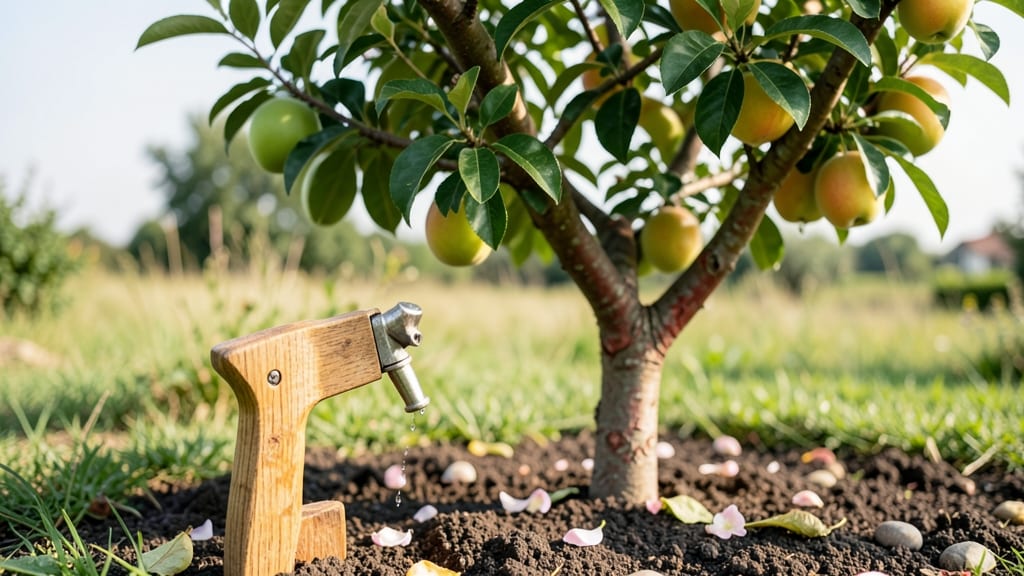
Brown rot is the silent enemy of peach harvests—until you use this homemade peach tree spray. 🌿 The secret to saving your fruit lies in a simple blend of neem oil, baking soda, and dish soap that targets fungal spores before they spread.
I perfected this recipe after losing half my crop to brown rot last summer, and now my trees stay healthy through the most vulnerable seasons.
This spray works against brown rot, peach leaf curl, and even aphid infestations by disrupting fungal cell walls and suffocating pests. The ingredients are non-toxic when mixed correctly, but timing matters: apply it during early spring before buds swell and again after harvest to prevent reinfection.
Most gardeners skip the second application—that’s when the rot creeps back in.
You’ll end up with a shiny, protective coating on leaves that deters disease while keeping beneficial insects like ladybugs and bees unharmed. The solution lasts about 2 weeks before rain or heat breaks it down, so plan applications around your forecast.
Just 10 minutes of prep time saves weeks of fruit loss later.
Works for peaches, nectarines, and even plum trees in your orchard. The key is consistency—don’t wait until you see spots. Here’s exactly how to mix and apply it safely, step by step.
📚 In This Guide
- What you need
- Instructions
- Tips and common mistakes
- Wrapping up and next steps
What you need
- ● 1 gallon of water (distilled or dechlorinated—tap water can harm beneficial microbes)
- ● 2 tablespoons baking soda (food-grade, unscented)
- ● 1 tablespoon horticultural oil (or vegetable oil in a pinch—like canola or olive)
- ● 1 teaspoon liquid soap (unscented, castile soap works great)
- ○ 1 teaspoon copper fungicide (optional but highly recommended for brown rot—look for copper sulfate or copper hydroxide)
- ● 1 tablespoon neem oil (boosts antifungal properties)
- ● 1 crushed aspirin (adds salicylic acid for extra fungal defense)
- ● 1 tablespoon molasses (attracts beneficial microbes)
- ● Spray bottle or backpack sprayer (1-2 gallons capacity, dedicated to organic sprays)
- ● Protective gear: gloves, long sleeves, and goggles (for safety)
Step-by-step instructions for mixing an organic peach tree spray
Here's the simple, effective method I use every spring to protect my peach trees from brown rot.
🌿 Step 1: Gather and Prepare Your Materials
Start with 1 tablespoon baking soda and 1 tablespoon horticultural oil (not cooking oil—this is critical). Mix these in a 1-quart spray bottle with 1 gallon of water. I always add 1 tablespoon dish soap (like Dawn) to help the mixture stick to leaves. Shake well before each use—you'll see the baking soda dissolve completely.
Here's the thing—never use regular cooking oil. Horticultural oil contains emulsifiers that allow it to mix properly with water and won't clog your sprayer. If you skip this, your spray will separate and won't work effectively. I also like to add 1 tablespoon of neem oil for extra fungal protection, but it's optional.
💧 Step 2: Mix Thoroughly and Test the Solution
Shake the bottle vigorously for 30 seconds until everything is fully combined. You'll notice the mixture should look cloudy but uniform—no oil slicks on top. Let it sit for 10 minutes to allow any remaining separation to settle, then shake again before use.
Before spraying your entire tree, test a small area on a few leaves. Wait 24 hours to check for any discoloration or damage. If the leaves look normal, your spray is ready. I always test first because some tree varieties can be sensitive to baking soda, even in small amounts.
☀️ Step 3: Apply at the Right Time and Conditions
Spray your peach trees early in the morning or late afternoon when temperatures are below 85°F. Direct sunlight can cause the spray to dry too quickly, reducing effectiveness. Focus on the undersides of leaves—that's where brown rot fungus hides and spreads.
Apply until the leaves are glistening but not dripping. You'll know you've got enough coverage when water beads form on the leaf surfaces. Reapply every 7-10 days during bloom and fruit set, or after rain, which washes the spray away. This is the moment that matters: consistent coverage prevents the fungus from taking hold.
✂️ Step 4: Clean Up and Store Properly
After spraying, rinse your sprayer thoroughly with water to prevent clogging. I like to add a bit of vinegar to the rinse water—it helps break down any residue. Store any leftover spray in a cool, dark place for up to 3 days. If you notice separation after storage, shake well before use.
Don't skip this cleanup step. Leftover spray can harbor bacteria if stored improperly. I always use a dedicated sprayer for my organic mixes to avoid cross-contamination with chemical sprays. Real talk: a little prevention now saves hours of scrubbing later.
Tips & tricks for perfect homemade peach tree spray
Took me years of trial and error to perfect this spray—here's what actually makes the difference between a good mix and a great one.
Oil Selection Matters: Horticultural oil is non-negotiable here. It's specifically formulated to mix with water and won't clog your sprayer like cooking oil will. I've ruined three sprayers trying regular olive or vegetable oil—they separate completely and leave a greasy residue. If you can't find horticultural oil, look for "spray oil" at garden centers. The emulsifiers in these oils are what keep your mixture uniform and effective.
Testing is Non-Optional: That 24-hour test period in Step 2 isn't just a suggestion—it's your safety net. Some peach varieties like Redhaven are particularly sensitive to baking soda, and you won't know until you test. I've seen leaves develop brown spots within hours after spraying, and it's always because someone skipped this step. Test on a few leaves first, especially if you're using a new tree variety.
Application Technique: The undersides of leaves are where brown rot fungus hides, so that's where you need full coverage. I use a gentle back-and-forth motion with my sprayer, keeping it about 12 inches from the leaves. You'll know you've got enough when water beads form—this means the solution is clinging properly. Don't worry about dripping; you want saturation, not just a light mist.
Storage Wisdom: The 3-day storage limit isn't arbitrary—it's about preventing bacterial growth. After that, the baking soda starts breaking down and the mixture can develop an unpleasant smell. I like to make fresh batches every few days during peak bloom season. If you notice any separation after storage, shake vigorously and test on a leaf before full application—this is your quality control check.
Pro Tips for Homemade Peach Tree Spray
- Took me years of trial and error to perfect this spray—here's what actually makes the difference between a good mix and a great one.
- Oil Selection Matters: Horticultural oil is non-negotiable here.
- Testing is Non-Optional: That 24-hour test period in Step 2 isn't just a suggestion—it's your safety net.
Frequently asked questions
Got questions about keeping your peach trees healthy and rot-free?
Here are answers to the most common queries about homemade peach tree sprays—so you can tackle brown rot with confidence!
When is the best time to spray my peach tree?
The ideal times are early spring (before buds swell) and late winter to prevent fungal spores from waking up. Reapply after heavy rains or every 2–3 weeks during blooming season. Pro tip: Avoid spraying when bees are active (midday) to protect pollinators!
Can I use this spray if my tree is already infected?
While homemade sprays help prevent brown rot, an already infected tree may need stronger action. Prune affected branches immediately (sterilize tools with rubbing alcohol!), then apply copper fungicide or a baking soda spray (1 tbsp baking soda + 1 tsp oil per gallon of water) for faster results. Repeat weekly until symptoms fade.
What’s a good alternative if I don’t have neem oil?
No neem? Try these swaps:
- Garlic spray: Blend 2 chopped garlic cloves + 1 tsp cayenne pepper in 1 quart water. Strain and spray.
- Milk spray: Mix 1 part milk with 9 parts water + a drop of dish soap (works well for powdery mildew too!).
- Hydrogen peroxide: Use 1 tbsp 3% H₂O₂ per quart of water (test on a small leaf first).
Will this spray harm my peaches or fruit?
When used correctly, this spray is non-toxic to fruit—but stop spraying 2 weeks before harvest to avoid residue. Always test a small branch first! If you’re worried, opt for food-grade diatomaceous earth (DE) as a dry alternative (reapply after rain).
How often should I reapply the spray?
Reapply every 7–10 days during active growing seasons (spring/summer) or after rain washes off the spray. For long-term prevention, combine with pruning (remove infected leaves/branches) and mulching (keep soil moist but not soggy). Store extra spray in a cool, dark place for up to 1 week.
Wrapping up and next steps
Crafting your own homemade peach tree spray is a game-changer for organic gardeners—it’s easy, cost-effective, and powerful against brown rot and pests! 🌿 With just a few simple ingredients, you’ve got a natural, eco-friendly solution that keeps your peach trees thriving without harsh chemicals.
Plus, it’s a great way to reduce waste and support a healthier orchard.
Now that you’re armed with the know-how, grab those ingredients and get spraying! Start with a small test area to ensure your trees respond well, then expand as needed. Happy gardening—your peach trees will thank you with juicy, rot-free fruit all season long! 🍑✨