
Light Requirements
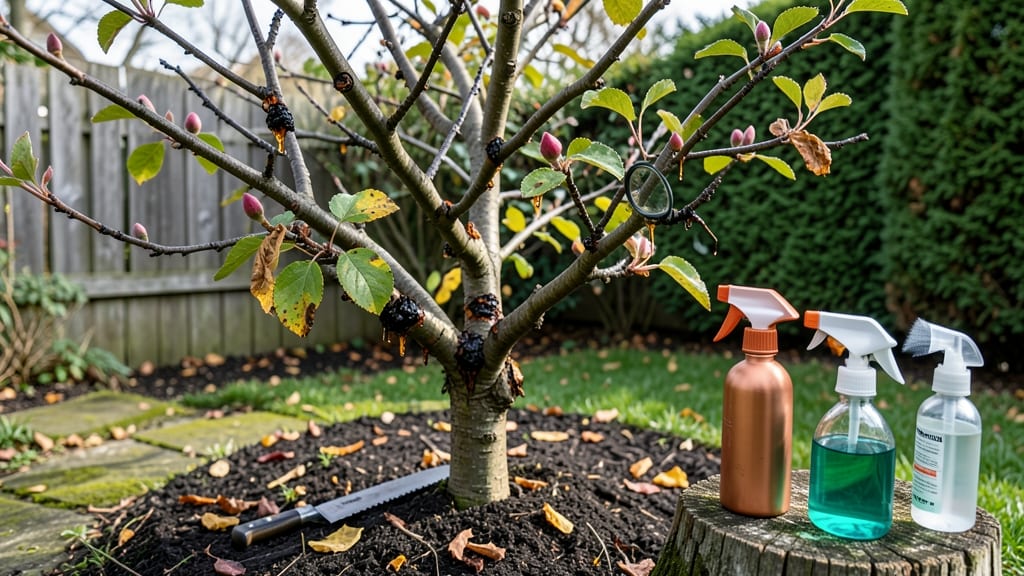
Fruit tree blight can turn your dream harvest into a sad, spotted mess—unless you act fast. 🌳 I’ve watched entire apple crops wither from fungal infections like Venturia and Monilinia, but the right prevention keeps trees thriving.
The key is catching symptoms early: dark spots on leaves, cracked fruit, or that telltale powdery residue. Most blight spreads through wet conditions or infected pruning tools. Prune in dry weather, sterilize tools with rubbing alcohol, and remove fallen leaves to break the cycle.
Organic options like copper fungicide work, but chemical sprays (like Captan) offer stronger protection when outbreaks hit. Your goal is to keep trees healthy and productive. With consistent checks and timely action, you’ll save fruit and avoid next year’s heartbreak.
Think of it as insurance for your harvest—worth the effort before the first spot appears.
Root Causes Of Tree Decay
Fruit tree blight isn’t just a random attack—it’s often the result of specific environmental, biological, or human-related factors. Understanding these root causes helps you take targeted action to protect your trees. Below, we break down the key reasons why fruit trees develop blight, from fungal invasions to poor growing conditions.
---
Blight is most commonly caused by pathogenic fungi and bacteria that thrive in moist, warm conditions. These microorganisms can spread rapidly, especially when trees are stressed.
- Fungal spores (like Venturia inaequalis for apple scab or Monilinia for brown rot) overwinter in infected leaves, bark, or soil. When conditions are right—warm, humid, or rainy—they germinate and infect new growth. - Bacterial blights (such as Pseudomonas syringae) enter through wounds, causing oozing lesions and leaf spots.
They spread quickly in wet weather, especially during spring blooms. - Overhead watering or dense foliage traps moisture, creating the perfect breeding ground for these pathogens.
💡 Pro Tip: Prune infected branches immediately and avoid working with trees when they’re wet to minimize spore spread.
---
Blight thrives when trees are under stress from unfavorable growing conditions. Here’s how environment plays a role:
- Excessive moisture (from rain, poor drainage, or overhead irrigation) keeps fungal spores active and weakens tree defenses. - High humidity (especially at night) slows drying, allowing pathogens to colonize leaves and fruit. - Extreme temperatures—whether too hot or too cold—can shock trees, making them more susceptible.
For example, late frosts during bloom stress fruit trees, inviting infections. - Crowded planting reduces airflow, increasing humidity around leaves and fruit, which encourages blight development.
🌡️ Key Insight: Blight is less likely in well-drained soil with good airflow—aim for 6–8 hours of sunlight daily and space trees 15–25 feet apart (depending on the variety).
---
A tree that’s malnourished or improperly cared for is an easy target for blight. Common deficiencies include:
- Nitrogen (N) deficiency – Leads to pale, yellowing leaves (chlorosis), weakening the tree’s immune response. - Potassium (K) or phosphorus (P) imbalances – Reduce disease resistance and delay healing after pruning. - Iron or zinc deficiencies – Cause stunted growth and poor fruit set, making trees more vulnerable to infections.
📊 Soil Test Tip: Test your soil every 2–3 years and amend with compost or balanced fertilizer (like 10-10-10) in early spring to boost tree health.
--- Wounds from pruning, hail, or pests create entry points for pathogens. Here’s how to avoid it:
- Improper pruning cuts (tearing bark or leaving stubs) slow healing and invite infections. - Over-pruning stresses trees, reducing their ability to fight off blight. - Injuries from tools or wildlife (like rabbits or deer) create open wounds where bacteria can enter.
✨ Best Practice: Prune in late winter/early spring (before new growth) with clean, sharp tools, and seal large cuts with pruning sealant (though small cuts don’t always need it).
--- Pests like aphids, scale insects, or borers weaken trees by feeding on sap, leaving them vulnerable to blight. Even bird damage (pecking at fruit) can create wounds.
- Sap-sucking insects (e.g., aphids) excrete honeydew, which attracts sooty mold—a secondary fungus that blocks sunlight and stresses the tree. - Root-feeding grubs (like Japanese beetle larvae) damage roots, reducing water and nutrient uptake, making the tree more susceptible to disease.
🔥 Action Step: Use neem oil or insecticidal soap for soft-bodied pests, and apply beneficial nematodes for grubs in the soil.
--- Where you plant your fruit tree matters. Some regions are hotspots for blight due to: - High rainfall (e.g., Pacific Northwest for apple scab). - Tropical or subtropical climates (favoring bacterial blights like citrus canker). - Urban heat islands (where poor airflow and pollution stress trees).
🎯 Solution: Choose disease-resistant varieties (e.g., ‘Liberty’ apple trees for fire blight resistance) and plant in sunny, well-ventilated spots with at least 6 inches of organic mulch (but not touching the trunk).
Fixing Fungal Foes on Fruit Trees
Blight on fruit trees can feel like a losing battle, but with the right approach, you can turn things around—fast. The key is acting quickly, identifying the root cause, and applying targeted fixes.
Below, we break down practical solutions for the most common types of blight, from fungal infections to environmental stress, plus prevention tips to keep your trees thriving.
---
Fungal blight (like apple scab, peach leaf curl, or brown rot) thrives in damp, warm conditions. Here’s how to tackle it:
#### 🔪 Remove Infected Areas Immediately - Step 1: Inspect your tree for discolored leaves, black spots, or oozing cankers.
Use clean, sharp pruners to cut out affected branches at least 6 inches below the damage—fungus spreads underground! - Step 2: Sterilize your tools with 70% rubbing alcohol or a 10% bleach solution (1 part bleach to 9 parts water) between cuts to prevent cross-contamination. - Step 3: Bag and dispose of infected debris in the trash (not the compost)—fungus spores can survive and reinfect.
#### 🌡️ Adjust Growing Conditions - Improve airflow: Thin out dense foliage to reduce humidity near the tree. Aim for open spacing so sunlight and air can circulate. - Water wisely: Avoid overhead irrigation (especially in the evening).
Instead, use drip irrigation or water at the base early in the day so leaves dry quickly. - Mulch properly: Apply 2–4 inches of organic mulch (like wood chips) around the base, but keep it 6 inches away from the trunk to prevent moisture buildup.
#### 🛡️ Apply Fungicides Strategically - Preventive sprays: Use copper fungicide or neem oil (a natural option) before symptoms appear, especially in spring when spores are active.
Follow label instructions for timing (e.g., every 7–14 days during wet seasons). - Cure sprays: If blight is already present, switch to a fixed copper fungicide (like Bordeaux mixture) or a systemic fungicide (e.g., myclobutanil) for stubborn cases. Reapply after heavy rain.
💡 Pro Tip: Test your soil’s pH—fungi love acidic conditions. Aim for a slightly alkaline pH (6.5–7.0) by amending soil with lime if needed.
---
Blight can also flare up when trees are weakened by poor care. Rebuild their health with these steps:
#### ☀️ Optimize Sunlight and Nutrition - Light check: Ensure your tree gets 6–8 hours of sunlight daily. Partial shade can invite fungal growth. If needed, prune nearby structures or competing plants. - Feed smart: Use a balanced fertilizer (10-10-10 or 5-10-10) in early spring to support new growth.
Avoid high-nitrogen fertilizers late in the season, as they promote tender, fungus-prone foliage.
#### 💧 Hydrate Without Overdoing It - Deep watering: Water deeply 1–2 times per week (instead of daily shallow watering) to encourage strong root systems. Use a soaker hose to deliver moisture directly to the roots. - Drought stress? If your tree is thirsty, it’s more susceptible to blight.
Monitor soil moisture with your finger—top 2 inches should be dry before watering again.
#### 🌱 Strengthen Natural Defenses - Companion planting: Interplant garlic, chives, or marigolds around your fruit tree—their antifungal properties deter spores. - Beneficial microbes: Apply mycorrhizal fungi or compost tea to boost soil health and tree immunity.
---
Pests like aphids or mites can weaken trees, making them blight magnets. Address them first:
#### 🦟 Target Pest Hotspots - Handpick or hose off soft-bodied pests (like aphids) with a strong spray of water. - Introduce predators: Ladybugs, lacewings, or birds can control pests naturally.
Install birdhouses or insect hotels nearby. - Use insecticidal soap (for soft-bodied pests) or kaolin clay (a physical barrier) to protect leaves.
#### 🌿 Clean Up Debris Year-Round - Rake and remove fallen leaves, mummified fruit, and old mulch twice a year (spring and fall). These harbor overwintering spores. - Solarize soil: In late summer, cover infested soil with clear plastic for 4–6 weeks to bake out fungal spores.
--- Once you’ve treated the blight, stop it from returning with these habits:
1. Monitor regularly: Inspect trees weekly during growing season for early signs (yellowing, spots, or wilting). 2. Rotate fungicides: If you use chemical sprays, switch active ingredients yearly to prevent resistance.
3. Choose resistant varieties: Opt for blight-resistant cultivars (e.g., Liberty apples, Elberta peaches, or Jersey Knight cherries). 4. Sanitize tools and hands: Always wash tools and gloves after pruning to avoid spreading spores to other trees.
--- ✨ Final Thought: Blight doesn’t have to mean the end of your harvest. With prompt action, smart care, and a little prevention, your fruit trees can bounce back stronger than ever. Start today—your future orchard will thank you!
Frequently asked questions
What are the first signs of blight on my fruit tree?
Watch for dark, velvety spots on leaves (like apple scab) or oily, black lesions on branches (fire blight). Fruit may develop cracked, mummified areas or powdery residue. Check undersides of leaves first—spores often start there. Act fast when you see these signs!
Can I still save my fruit if blight appears?
It depends on the stage! Remove infected fruit immediately and dispose of it (don’t compost). For leaf spots, prune affected branches and apply copper fungicide. If blight is severe, focus on next year’s prevention—some fruit may still ripen safely if only surface spots appear.
How often should I spray fungicide for prevention?
Start sprays before blooms open (spring) and repeat every 7–14 days during wet seasons. Use neem oil or copper fungicide—follow label rates. Stop sprays 2–3 weeks before harvest to avoid residue. Consistency is key!
Will pruning help stop blight from spreading?
Prune infected branches 6 inches below damage and sterilize tools between cuts. Remove all diseased leaves and dispose of them in the trash (not compost). Thin dense foliage to improve airflow—this disrupts spore spread. Do this in dry weather for best results.
Are some fruit trees more blight-resistant than others?
Yes! Choose disease-resistant varieties like Liberty apples, Jersey Knight cherries, or Elberta peaches. Citrus trees (like Meyer lemons) are prone to bacterial blight—plant in full sun with good drainage and avoid overhead watering. Always check local nursery recommendations!