
Pests and Diseases
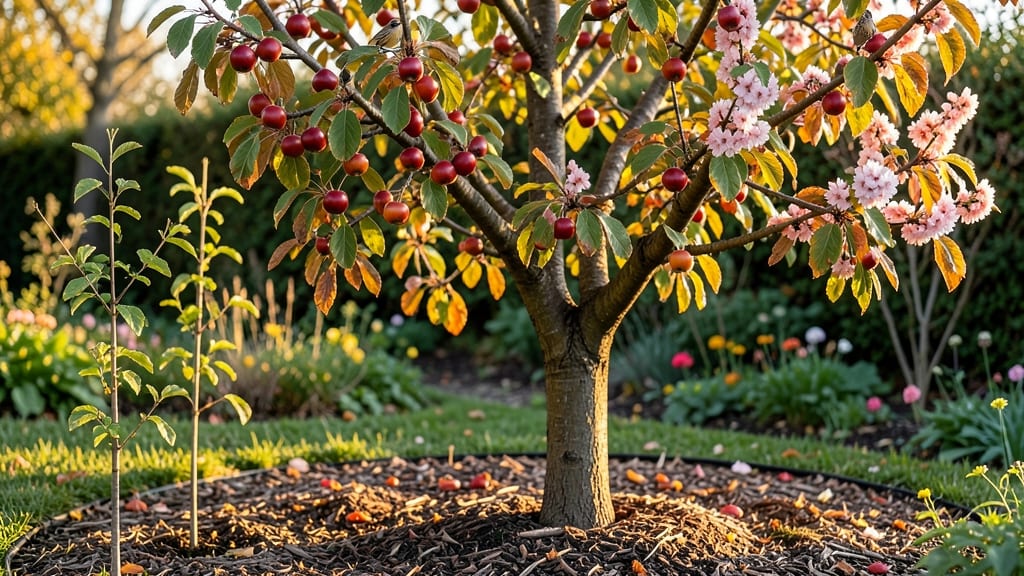
The crabapple tree pros and cons include beautiful spring flowers and wildlife support, but they demand ample growing space, produce messy fruit, and require regular pruning to prevent diseases like fire blight.
Crabapple trees shine as landscape stars with their vibrant spring blossoms that attract bees and butterflies, plus edible fruit that feeds birds and squirrels through fall and winter. 🌸 Their compact size compared to full-sized apple trees makes them perfect for smaller yards, while the seasonal color changes from green to red or yellow add year-round visual interest.
The trade-off? Their messy fruit can create cleanup work, and fire blight—a bacterial disease—often requires vigilant pruning to keep trees healthy.
If you're considering one, think about your yard's size and maintenance capacity. These trees thrive in full sun and well-drained soil, but their root systems can compete with nearby plants.
For urban gardeners, their pest resistance compared to fruit trees is a bonus, though some varieties are more disease-prone than others. The key is choosing the right cultivar for your climate and space.
💡 In This Article
- Ecological and Aesthetic Benefits of Crabapple Trees
- Space, Maintenance, and Disease Challenges to Consider
Ecological and aesthetic benefits of crabapple trees
Crabapple trees are ecological powerhouses because their spring flowers produce copious nectar that attracts bees, butterflies, and other pollinators. Studies show a single tree can support thousands of pollinator visits during its 2-3 week bloom period, making them vital for local ecosystems.
The flowers' bright pink, white, or red hues also add striking visual contrast to gardens, often outshining even ornamental cherries due to their dense, clustered blooms that cover the entire tree.
Their small, tart fruit (typically 1/2 to 1 inch in diameter) may not be palatable for humans, but they're a critical food source for wildlife. Birds like robins, cedar waxwings, and woodpeckers feast on them, while squirrels and chipmunks cache the fruit for winter.
Unlike apple trees, crabapples don't require thinning, so they produce consistent yields year after year. The fruit's high pectin content makes it perfect for jelly-making too, though it's rarely used for fresh eating.
Seasonal interest is another major advantage. After blooming, the leaves develop vibrant fall colors ranging from orange to deep purple, creating a three-season visual impact. Some varieties even produce ornamental fruit clusters that persist through winter, adding texture and color to bare branches.
This makes crabapples excellent for urban forests where space is limited but biodiversity is prioritized.
Their compact size (typically 15-25 feet at maturity) compared to full-sized apple trees makes them ideal for suburban yards. Unlike fruit trees that need 30+ feet of clearance, crabapples thrive in smaller landscapes while still providing substantial ecological benefits.
The shallow root systems also make them better suited for urban planting than deeper-rooted trees.
What truly sets crabapples apart is their disease resistance compared to fruit trees. While they're not immune to issues like fire blight, they generally require less intensive care than apple or pear trees.
Their wildlife magnetism combined with low-maintenance aesthetics makes them one of the most versatile ornamental trees for modern landscapes.