
How To
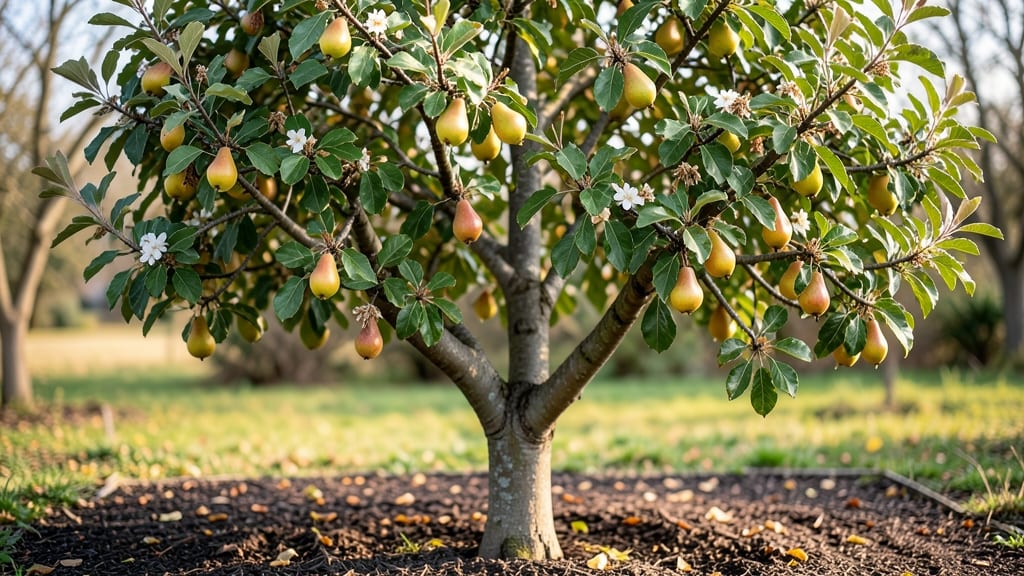
A pear tree 🍐 can grow anywhere from 8 feet to towering 50 feet tall, depending on the variety and how you prune it.
Wondering if your backyard has enough space for a pear tree? The height of a mature pear tree can vary dramatically—from compact dwarf varieties to towering standards—so choosing the right type is key to successful gardening.
Dwarf varieties stay under 12 feet, perfect for small yards or even large containers, while standard trees reach heights that dwarf most homes. Pruning plays a huge role in controlling growth, and the wrong approach can leave you with a tangled mess instead of a productive tree.
In this guide, I’ll break down the height ranges of popular varieties, how pruning affects growth, and which types work best for your space—whether you’ve got a postage-stamp yard or acres to spare.


Mature heights of popular pear tree varieties: dwarf to standard sizes
Choosing the right pear tree for your garden starts with understanding their mature heights. A dwarf variety might stay under 10 feet tall, while a standard pear tree can reach 30+ feet—so your yard size matters!
Let’s break down the most popular types and their ideal spacing for healthy growth and abundant fruit.
Pear trees are grafted onto rootstocks that determine their final size. Dwarf rootstocks (like Quince C) keep trees small, while standard rootstocks (like Seedling) allow them to grow tall. Knowing these differences helps you pick the perfect tree for containers, small yards, or large properties.
| Variety | Mature Height | Spacing Needs | Best For |
|---|---|---|---|
| Bartlett (Dwarf) | 6–8 ft | 8–10 ft apart | Containers, small yards |
| Moonglow (Semi-Dwarf) | 12–15 ft | 12–15 ft apart | Backyards, orchards |
| Seckel (Semi-Dwarf) | 15–18 ft | 15–20 ft apart | Medium yards |
| Bosc (Standard) | 25–30 ft | 25–30 ft apart | Large properties |
| Anjou (Standard) | 30–40 ft | 30–40 ft apart | Orchards, rural areas |
For dwarf varieties, like Bartlett or Hooded Dutchess, you can grow them in large pots or small gardens. These trees stay under 8 feet tall and need minimal spacing—perfect for urban gardeners! Just ensure they get 6+ hours of sun daily for best fruit production.
Semi-dwarf varieties, such as Moonglow or Seckel, strike a balance. They reach 12–18 feet at maturity, making them ideal for backyard orchards. Space them 12–15 feet apart to allow airflow and reduce disease risk. These trees produce heavy crops and are great for families.
If you have plenty of space, standard pear trees like Bosc or Anjou will thrive. These giants can grow 30+ feet tall and need 25–40 feet of spacing.
Plant them near property lines or in rural settings where their height won’t be an issue. Their large canopies provide shade and stunning fall color.
Proper spacing isn’t just about height—it’s also about root competition and air circulation. Overcrowding leads to fungal diseases like fire blight or powdery mildew. Always follow the spacing guidelines for your chosen variety to ensure healthy, productive trees for years.
Consider your local climate when selecting a variety. Some dwarf pears thrive in USDA Zone 5, while others need Zone 7+ warmth. For example, Kieffer pears are cold-hardy and perfect for northern gardens, while Orient pears love heat and humidity.
Pruning plays a huge role in managing height. Young trees should be pruned to encourage branching and open canopies. Mature trees benefit from annual pruning to remove dead wood and shape growth. Always use sterilized tools to prevent spreading diseases between cuts.
Ready to plant? Start by amending your soil with compost and ensure it drains well. Pear trees hate soggy roots! After planting, water deeply to settle the soil and mulch around the base to retain moisture.
With the right variety and care, your pear tree will reward you with juicy fruit for decades.
🍐
How pruning affects pear tree height and fruit production
Pruning isn't just about shaping your pear tree—it's a powerful tool to control its height and boost fruit production. When done correctly, pruning can keep your tree compact enough for small yards while maximizing its yield.
The key lies in understanding when, how, and why to prune at different growth stages.
Young pear trees need formative pruning to establish a strong framework, while mature trees benefit from corrective pruning to remove deadwood and improve airflow. Without proper pruning, your tree might grow too tall (20-50 feet for standard varieties) or produce fewer quality fruits due to overcrowded branches.
Let’s break down the essential steps to prune like a pro.
Step-by-Step Pruning Guide for Pear Trees
- 1 Timing is critical: Prune in late winter (before buds swell) or early spring for best results. Avoid heavy pruning in summer as it stresses the tree.
- 2 Use the right tools: Sharp bypass pruners for small branches and a pruning saw for thicker limbs. Always sterilize tools with rubbing alcohol to prevent disease.
- 3 Remove dead or diseased wood: Cut back to the healthy branch collar (the swollen area where branches meet the trunk). This prevents fungal spread and directs energy to productive growth.
- 4 Thin out crowded branches: Aim for 6-8 main scaffold branches spaced evenly around the trunk. Remove water sprouts (vertical shoots) to improve airflow and reduce height.
- 5 Shape for fruit production: Prune to create an open-center canopy (for dwarf trees) or a central leader (for standard trees). This encourages sunlight penetration and better fruit development.
- 6 Avoid common mistakes: Never prune more than 25% of the canopy in one season. Over-pruning stresses the tree and reduces next year’s fruit yield. Also, avoid topping (cutting the top flat), which stunts growth.
For young pear trees, focus on establishing a strong structure by removing competing leaders (competing vertical shoots) and thinning out suckers (shoots growing from the base). This ensures the tree grows straight and sturdy while directing energy to fruit production.
In contrast, mature trees need rejuvenation pruning every few years to remove old wood and encourage new growth.
Pruning also plays a crucial role in fruit quality. By improving air circulation, you reduce the risk of blight and rot, which can ruin your harvest. Additionally, pruning encourages the tree to produce larger, higher-quality pears by focusing its energy on fewer, stronger branches.
Just remember: less is more—aggressive pruning can harm your tree more than help.
Start with light pruning in the first few years, then gradually increase as the tree matures. With the right techniques, you can keep your pear tree at an ideal height (like 8-12 feet for dwarf varieties) while enjoying a bountiful harvest every season. Happy pruning!