
How To
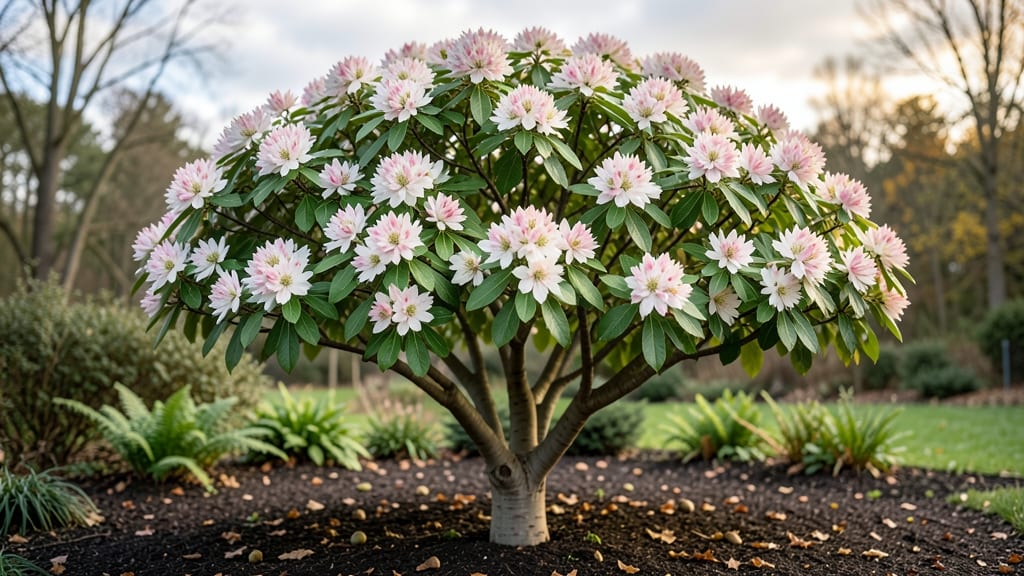
Dogwood trees grow to how tall does a dogwood tree grow heights ranging from 8 feet to towering 35 feet, depending on the variety—so choosing the right one for your space is everything.
Picture this: a dwarf dogwood adding delicate blooms to a small patio, or a standard variety becoming the centerpiece of your backyard, its branches stretching higher than your roof. The difference between these two isn’t just size—it’s how they shape your landscape, and whether they’ll fit where you plant them.
Some dogwoods mature in 10 years, while others take twice as long, so knowing the growth rate helps you plan for years ahead.
Below, I’ll break down the exact heights of popular varieties, how to pick the right size for your yard, and the care tips that keep them thriving without overpowering your space.
Whether you’re working with a tight urban lot or a sprawling rural property, this guide ensures you’ll plant with confidence—and end up with the perfect dogwood tree for your vision.


Dogwood tree height by popular variety: mature sizes compared
Choosing a dogwood tree often comes down to one key question: how tall will it grow? The answer varies dramatically depending on the variety, with some reaching towering heights while others stay compact enough for small yards.
Understanding these differences helps you select the perfect tree for your space and design goals.
Dogwood trees generally mature between 10 to 35 feet, but specific varieties can be as short as 6 feet or as tall as 30 feet.
Whether you're planning a specimen tree for your lawn or a dwarf variety for a container, knowing the mature height ensures your landscape design works harmoniously.
The Cornus florida (flowering dogwood) is one of the most popular varieties, often reaching 20 to 30 feet at maturity. Its iconic blooms and vibrant fall foliage make it a standout, but its size requires careful placement.
For smaller spaces, dwarf varieties like 'Cherokee Brave' or 'Cloud 9' stay under 10 feet, perfect for containers or tight urban gardens.
Cornus kousa, or Kousa dogwood, tends to grow slightly shorter, typically 15 to 25 feet. This variety is prized for its disease resistance and durable wood, making it ideal for mixed borders or as a shade tree. If you're aiming for a multi-stemmed look, Cornus alternifolia (pagoda dogwood) grows 12 to 20 feet and creates a striking, layered silhouette.
When comparing heights, always consider your landscape layout and nearby structures. A 30-foot dogwood near a two-story house may cast unwanted shade, while a 6-foot dwarf could get lost in a large yard.
Measure your space and visualize how the tree will fill it over time—most dogwoods take 5 to 10 years to reach half their mature height.
Another factor influencing height is pruning practices. Regular pruning can keep a standard dogwood 10 to 20 percent shorter than its natural height, while neglect may lead to overgrowth.
If you're unsure about pruning, opt for a naturally compact variety like 'Cloud 9' or 'Cherokee Brave', which require minimal maintenance to stay small.
For fast-growing dogwoods, Cornus florida 'Aurora' and Cornus kousa 'Milky Way' are excellent choices, adding 1 to 1.5 feet per year. Slower growers like Cornus alternifolia gain only 0.5 to 1 foot annually, making them better for gradual landscape integration.
Always check the growth rate when selecting a variety to align with your timeline.
Pro tip
How to choose the right dogwood size for your landscape
Selecting the perfect dogwood tree for your space starts with understanding how tall it will grow at maturity. Mature height determines whether it thrives as a specimen tree, fits under power lines, or works as a hedge layer.
For example, a 20-foot dogwood needs at least 15 feet of clearance above nearby structures, while dwarf varieties stay under 10 feet—ideal for small yards or container planting.
Your landscape’s sunlight exposure also influences size. Dogwoods prefer partial shade (4-6 hours of morning sun), but full-sun varieties like Cornus florida 'Rubra' grow 10-20% taller than shade-adapted types. Always match the variety to your yard’s light conditions to avoid stunted growth or overcrowding.
Spacing recommendations prevent root competition and ensure healthy growth. Plant standard dogwoods (20-35 ft) at least 15-20 feet apart, while dwarf varieties (8-12 ft) can thrive 8-10 feet from other plants. Overcrowding leads to pale leaves, weak branches, and increased disease risk—so plan ahead!
- 🌳 Specimen Trees (20-35 ft): Choose for focal points in large yards or parks. Needs full root zone (15-20 ft diameter) and clear overhead space.
- 🌿 Hedge Layers (8-12 ft): Perfect for privacy screens or layered borders. Plant 6-8 feet apart for dense growth. Ideal for Cornus alternifolia 'Argentea'.
- 🪴 Container Varieties (10-15 ft): Grow in large pots for patios or balconies. Use well-draining soil and regular pruning to control height. Try Cornus kousa 'Milky Way'.
- 🌲 Understory Plants (10-15 ft): Plant under taller trees for dappled shade. Avoid competing with roots of established trees. Cornus florida 'Cherokee Princess' is shade-tolerant.
Consider your long-term goals when choosing a dogwood. If you plan to add a second floor to your home, opt for a dwarf variety to avoid future pruning headaches. For instant curb appeal, a standard dogwood creates a dramatic focal point, but requires regular pruning to maintain shape and health.
Always check your local climate zone—dogwoods in USDA Zones 5-9 grow faster in humid regions but may need winter protection in colder areas. Mulch heavily in Zone 5 to prevent frost damage, which can stunt growth. In warmer zones, prune in late winter to encourage bushier, more compact growth.
For a low-maintenance option, Cornus alternifolia (pagoda dogwood) grows 15-25 feet tall with minimal pruning and thrives in partial shade. If you love vibrant blooms, Cornus florida 'Cloud 9' reaches 15-20 feet and produces white spring flowers followed by red berries—perfect for small to medium landscapes.