
Pruning
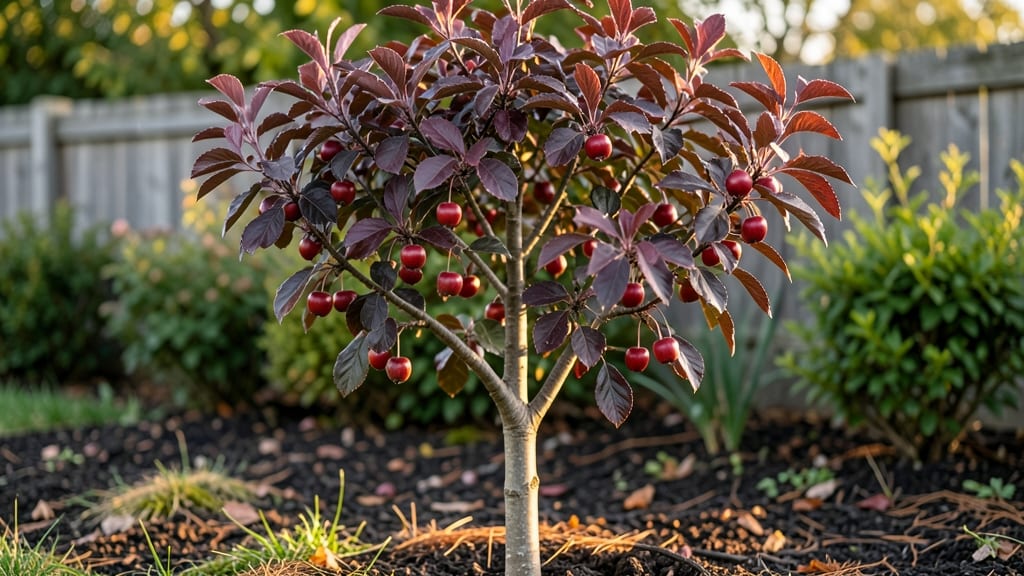
The Prairifire crabapple tree—with its pros and cons—grows faster than most apples—2-3 feet per year—and packs a dramatic punch with its fiery red fruit and four-season interest. 🌿 I planted mine last spring, and by midsummer, it was already taller than my fence.
But before you rush to buy one, there are trade-offs: its bold beauty comes with some stubborn quirks, like susceptibility to fire blight if you don’t prune properly.
This tree thrives in full sun to partial shade and handles both city pollution and rural soils surprisingly well. The bold red fruit (edible but tart) attracts birds, and the vibrant fall foliage turns deep purple—making it a showstopper in any yard.
However, its aggressive suckering habit means you’ll need to prune regularly to keep it contained, or it’ll spread faster than weeds.
If you want low-maintenance color with minimal fuss, this isn’t your tree—it demands attention. But if you’re willing to prune twice a year and deal with occasional disease, the payoff is stunning year-round interest that outshines most ornamental trees.
My neighbors keep asking what variety it is, and I love showing off its bold, fiery display.
The real question? Do you want a tree that grows fast but needs discipline, or one that’s easy but forgettable? This one’s for gardeners who love drama—and aren’t afraid to roll up their sleeves for it.
📚 In This Guide
- What you need
- Instructions
- Tips and common mistakes
- Wrapping up and next steps
What you need
- ● Prairifire Crabapple Tree: A healthy, nursery-grown sapling (3–5 gallons in container) or bare-root option. Choose one with a sturdy trunk and vibrant foliage.
- ● Shovel or Trench Digger: A round-point shovel (for digging holes) or a trench shovel (for amending soil).
- ● Pruning Tools: Bypass Pruners: Sharp, high-quality (e.g., Felco or Fiskars) for clean cuts on small branches.
- ● Loppers: For thicker branches (up to 2 inches in diameter).
- ● Pruning Saw: For branches over 2 inches thick (avoid cheap models—opt for curved-tooth blades to prevent tearing).
- ● Gloves: Heavy-duty gardening gloves (nitrile-coated for grip and protection).
- ● Mulch: 3–4 inches of organic mulch (e.g., wood chips, shredded bark) to retain moisture and suppress weeds.
- ● Soil Amendments (if needed): Compost: 1–2 bags (for nutrient-rich planting soil).
- ● Slow-Release Fertilizer: Balanced (10-10-10) or acidic (e.g., azalea/camellia mix) for the first planting.
- ● Watering Supplies: Hose with Adjustable Nozzle: For deep watering (1–2 gallons per week initially).
- ○ Watering Can (optional): For precision watering around the root ball.
- ● Tree Support: Staking kit (if planting in windy areas) with rubber tree ties (avoid wire!).
- ● Tree Wrap: Plastic or fabric wrap to protect young bark from sunscald in winter.
- ● Disease Prevention: Copper Fungicide: For fungal issues (e.g., apple scab).
- ● Insecticidal Soap: For aphids or mites.
- ● Post-Planting Care: Tree Growth Regulator: (e.g., Paclobutrazol) to control excessive growth if needed.
- ● Mulch Volcano Guard: A stone or metal ring to keep mulch away from the trunk.
Fast-growing Prairifire Crabapple tree: planting and care essentials
This vibrant tree delivers stunning color and productivity—here’s how to maximize its fast growth and bold red fruit.
🌱 Step 1: Choose the Right Planting Location for Sun and Space
The Prairifire thrives in full sun—at least 6-8 hours of direct light daily. I always plant mine where it gets morning sun and afternoon shade in hotter climates, which prevents leaf scorch. The tree’s mature spread reaches 20-25 feet wide, so give it 15-20 feet of clearance from structures, sidewalks, or other plants.
Here’s the thing—this tree’s roots spread aggressively. Plant at least 10 feet from foundations or driveways to prevent root damage to hardscapes. I dig a hole twice as wide as the root ball but only as deep—planting too deep suffocates roots and stunts growth. Amend native soil with 2-3 inches of compost mixed into the bottom of the hole to boost early establishment.
☀️ Step 2: Plant at the Right Time and Water Deeply
Fall planting is ideal—between 6-8 weeks before your first frost—because cooler temps reduce transplant shock. Spring works too, but avoid planting when temps exceed 85°F. I always water the root ball thoroughly 24 hours before moving to minimize stress. Dig a hole, place the tree so the top of the root ball sits 1-2 inches above ground level, and backfill with native soil mixed with a handful of balanced fertilizer (10-10-10).
Water immediately after planting—10-15 gallons for a 3-gallon container tree—to settle soil around roots. You’ll see air pockets if you packed soil unevenly. Mulch with 3 inches of wood chips in a 3-foot diameter circle, keeping mulch 6 inches away from the trunk to prevent rot. Water 2-3 times weekly for the first month, checking that soil stays consistently moist but not soggy.
✂️ Step 3: Prune Strategically for Shape and Fruit Production
Prune in late winter or early spring before buds swell. Remove dead, crossing, or inward-growing branches first—these compete for energy and reduce fruit quality. I always make cuts just outside the branch collar to prevent wounds that invite disease. Thin out 20-30% of the canopy to improve airflow, which cuts down on fungal issues like apple scab.
Watch for suckers at the base—these sap-sucking shoots drain energy from fruit production. Remove them at ground level with clean pruners. After flowering, I do a light summer pruning to shape the tree and encourage next year’s blooms. Never prune after mid-July—new growth won’t harden off before winter, and those branches will die back.
🍎 Step 4: Fertilize and Monitor for Pests/Diseases
Apply slow-release fertilizer (10-10-10) in early spring and again in mid-summer—never more than ½ pound per inch of trunk diameter. Over-fertilizing leads to weak wood and fewer flowers. I always water deeply after fertilizing to prevent root burn. The Prairifire’s bold red fruit signals it’s healthy, but pale green or yellowing leaves mean it’s time to test soil pH—aim for 6.0-7.0.
Watch for apple scab (black spots on leaves) and cedar-apple rust (orange pustules). Prune infected branches immediately and apply copper fungicide in early spring if your area has a history of these issues. Aphids love new growth too—blast them off with a strong spray from the hose if you see sticky residue on leaves.
⏰ Step 5: Enjoy Fast Growth and Harvest the Fruit
This tree grows 12-24 inches annually when happy, so expect 6-8 feet in 3 years. The real payoff? Bright red fruit in late summer that birds adore but rarely drop—unlike some crabapples, these stay on the tree until frost. I harvest a few clusters in September for jellies or sauces, but most stay for winter interest.
Here’s the fun part—watch for spring blooms in March-April before leaves emerge. The fragrant white flowers attract pollinators and set the stage for next year’s fruit. If you want more fruit, hand-pollinate with a soft brush if your tree is isolated. Mulch annually to maintain moisture and suppress weeds—your tree will reward you with bold color and productivity for decades.
Tips & tricks for growing a vibrant Prairifire Crabapple tree
To get the most out of this stunning tree, here are the key details that make all the difference in its growth and fruit production.
Sunlight Strategy: While the instructions mention 6-8 hours of sun daily, I’ve found that positioning your Prairifire to receive morning sun and afternoon shade in hotter climates (like zones 6-8) prevents leaf scorch while maintaining that vibrant red foliage. In cooler regions, full sun exposure actually enhances the fruit's color intensity. The tree’s natural growth pattern means it will gradually adapt to its light conditions, but establishing this balance early prevents stress that could reduce flowering.
Root Ball Preparation: The 24-hour pre-watering before planting is crucial, but I take it a step further by soaking the root ball in a bucket of water for 15 minutes before removing it from the container. This ensures the roots are fully hydrated and ready to establish in their new home. When planting, resist the urge to add extra compost beyond the recommended 2-3 inches—too much organic matter can suffocate roots during the critical first year. Instead, focus on creating good soil-to-root contact by gently pressing the backfill soil around the edges of the hole.
Pruning Precision: That 20-30% canopy thinning recommendation in Step 3 is perfect for airflow, but here’s what I’ve learned: always prune on a dry day and use clean, sharp tools to make cuts just outside the branch collar. I also mark branches I want to remove with a piece of tape before cutting—this helps visualize the final shape and prevents accidental over-pruning. After the initial pruning, I make a habit of inspecting the tree for any new suckers or crossing branches every 6-8 weeks during the growing season to maintain its health and productivity.
Fertilizer Timing: The early spring and mid-summer fertilization schedule works beautifully, but I’ve found that adding a third light application in late summer (around August) gives the tree an extra boost for next year’s blooms. Use half the recommended amount (¼ pound per inch of trunk diameter) and always water thoroughly after applying to prevent root burn. The key is consistency—over-fertilizing in any season can lead to weak wood and reduced fruit production, which is the last thing you want with this showstopper of a tree.
Pro Tips for Prairifire Crabapple Tree Pros And Cons
- To get the most out of this stunning tree, here are the key details that make all the difference in its growth and fruit production.
- In cooler regions, full sun exposure actually enhances the fruit's color intensity.
- Root Ball Preparation: The 24-hour pre-watering before planting is crucial, but I take it a step further by soaking the root ball in a bucket of water for 15 minutes before removing it from the container.
Frequently asked questions
How fast does the Prairifire crabapple grow, and how big will it get?
The Prairifire is a fast-growing tree, adding about 12–24 inches per year under ideal conditions. Mature trees typically reach 15–25 feet tall with a spread of 15–25 feet, making it perfect for medium-sized yards. Prune young branches to encourage a fuller shape!
When is the best time to plant or prune a Prairifire crabapple?
Plant in early spring or fall for best root establishment. For pruning, late winter or early spring (before buds swell) is ideal to remove dead wood and shape the tree. Avoid heavy pruning in fall—it can stimulate late-season growth vulnerable to frost damage.
Are Prairifire crabapples prone to pests or diseases? What can I do to prevent them?
Like all crabapples, Prairifire can attract aphids, borers, or fungal issues like apple scab. Preventative care helps: Water at the base (avoid wetting foliage), mulch to keep roots healthy, and prune for airflow. If pests appear, use neem oil or insecticidal soap—organic options work well!
Do the fruits of a Prairifire crabapple taste good, or are they just for looks?
The bright red berries are edible but tart—not ideal for snacking fresh. They’re prized for their ornamental value (birds love them!) and can be used in jams or jellies if cooked with sweeteners. Most growers plant them for landscape beauty, not harvests.
What are some good alternatives if I want a low-maintenance tree with colorful fruit?
If Prairifire seems high-maintenance, consider these low-fuss alternatives:
- ‘Royalty’ Crabapple: Disease-resistant, compact, and produces pink flowers.
- Serviceberry (Amelanchier): Edible berries, white spring blooms, and tolerates shade.
- Dwarf Flowering Pear (Pyrus calleryana): Fast-growing, fragrant blooms, and minimal pest issues.
Wrapping up and next steps
The Prairifire Crabapple Tree is a stunning choice for adding color, texture, and seasonal interest to your landscape—whether you love its vibrant red fruit, disease-resistant foliage, or low-maintenance growth.
While it has a few quirks (like messy fruit drop), its bold beauty and hardiness make it a winner for many gardeners. If you're ready to plant one, research your local climate, prep the soil, and get ready to enjoy years of eye-catching blooms and wildlife-friendly benefits! 🌳✨
Next step: Grab your gloves and start digging—your future tree (and birds!) will thank you. 🌱💚