
Diseases
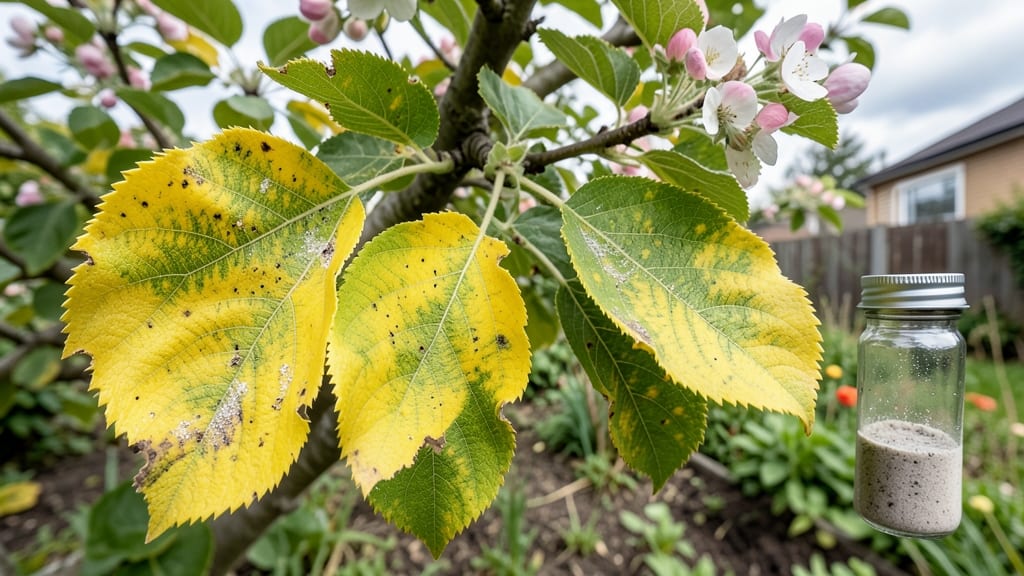
Yellow spots on your apple tree 🍎 leaves could signal fungal diseases like apple scab or nutrient deficiencies—but catching them early makes all the difference.
Discovering those telltale yellow patches can feel like a gut punch, especially when you’ve poured so much hope into your orchard. The good news? Most causes are treatable, and organic solutions work better than you might think.
In this guide, we’ll break down the most common fungal culprits, how to spot them early (before they spread), and step-by-step organic fixes that actually work—no harsh chemicals required.
You’ll learn how to prune for airflow, apply natural fungicides at the right time, and even prevent future outbreaks with simple soil care. Let’s get your apple tree back to healthy, vibrant growth.
Common fungal diseases causing yellow spots on apple tree leaves
When you spot yellow spots on apple tree leaves, your first thought might be panic—but don’t worry. These spots are often caused by fungal diseases that are treatable with the right knowledge. The three most common culprits are apple scab, cedar apple rust, and powdery mildew.
Each has distinct symptoms and life cycles, so identifying them early is key to saving your tree.
Fungal infections thrive in moist conditions and can spread rapidly if left unchecked. The yellowing you see is often a secondary symptom—fungi first create dark spots or lesions on leaves, which then turn yellow as the leaf tissue dies.
Understanding how these diseases spread helps you act fast to prevent them from ruining your harvest.
| Disease | Leaf Symptoms | Other Symptoms | Spreads Via | Best Time to Treat |
|---|---|---|---|---|
| Apple Scab | Olive-green to brown velvety spots that turn yellow and fall out | Black spots on fruit, curled leaves, premature leaf drop | Splashing rain, infected leaves | Early spring (before buds open) |
| Cedar Apple Rust | Orange rust-colored spots with yellow halos | Galls on cedar trees, distorted fruit | Windborne spores from cedar trees | Late spring to early summer |
| Powdery Mildew | White powdery coating with yellow patches underneath | Stunted growth, distorted leaves | Airborne spores, poor airflow | Early summer (when humidity rises) |
Apple scab is the most aggressive of the three, causing olive-green to brown spots that eventually turn yellow and create holes in leaves. It thrives in wet springs, so if you’ve had recent rain, this is likely your culprit. The fungus overwinters in fallen leaves, so proper cleanup in fall is critical.
If you notice orange rust-colored spots with yellow halos, you’re dealing with cedar apple rust. This disease requires both an apple tree and a nearby cedar tree to complete its life cycle.
The orange spores appear on apple leaves in spring, while the cedar tree hosts the fungus in winter. Removing cedar trees nearby can reduce its spread.
Powdery mildew is easier to spot due to its white powdery coating on leaves, which often appears alongside yellow patches. Unlike the other two, it thrives in hot, humid conditions and poor airflow. Pruning to improve circulation and avoiding overhead watering can help prevent it.
All three diseases spread through water, whether from rain or overhead irrigation. The key to prevention is proper pruning to improve airflow, removing infected leaves promptly, and applying fungicides at the right times. For apple scab, start treatments in early spring before buds open.
To confirm your diagnosis, examine the underside of leaves for fungal spores. Apple scab shows dark spores, while cedar apple rust has orange pustules. Powdery mildew leaves a white residue that wipes off with your finger.
Once identified, act quickly—fungicides like copper fungicide or neem oil work best when applied early.
Don’t let these diseases stress you out! With the right identification and treatment, your apple tree can bounce back. Start by removing heavily infected leaves and applying a preventative fungicide spray every 2-3 weeks during peak growing season. Regular monitoring will keep your tree healthy and productive.
Remember, prevention is easier than cure. Healthy trees with good airflow and proper care are far less susceptible to fungal infections. If you catch these diseases early, your apple tree can recover fully and continue producing delicious fruit for years to come.
Step-by-step organic treatment guide for yellow leaf spots
When you spot yellow spots on your apple tree leaves, acting quickly with organic treatments can save your tree—and your harvest. The key is combining fungicides, pruning, and preventative care at the right times.
I’ve treated my own orchard this way, and these methods work reliably without harsh chemicals.
Start by identifying the fungal culprit—most yellow spots come from apple scab, cedar apple rust, or powdery mildew. Once confirmed, follow this step-by-step plan to stop the spread and restore your tree’s health. The sooner you act, the better the results.
Remove yellow-spotted leaves and nearby branches with sterilized pruners. Dispose of them in a sealed bag—don’t compost! This stops spores from spreading.
Use a copper fungicide (like copper sulfate) every 7–10 days during wet seasons. Mix according to package instructions and spray undersides of leaves where spores hide.
Spray neem oil (1% concentration) in the evening to avoid burning leaves. It disrupts fungal growth and repels pests. Reapply every 2 weeks until new growth appears.
For powdery mildew, dust elemental sulfur on dry leaves in the late afternoon. Avoid sulfur if temperatures exceed 90°F—it can damage foliage.
Thin overcrowded branches to boost air circulation. Use a pruning saw for thicker limbs. Better airflow dries leaves faster, reducing fungal growth.
Apply 3-inch mulch around the base (keep it 6 inches from the trunk) and water at the base in the morning. Avoid wetting leaves to prevent spore spread.
After treating, monitor your tree for new yellow spots weekly. If spots reappear, repeat the copper fungicide and neem oil steps. For severe cases, consider a baking soda spray (1 tbsp baking soda + 1 quart water + a drop of soap) as a gentle alternative.
Consistency is key—fungal diseases like apple scab thrive in damp conditions. By combining these organic treatments with proactive care, your apple tree can bounce back stronger than ever. Next season, focus on prevention to keep those spots away for good! 🍏