
Pruning
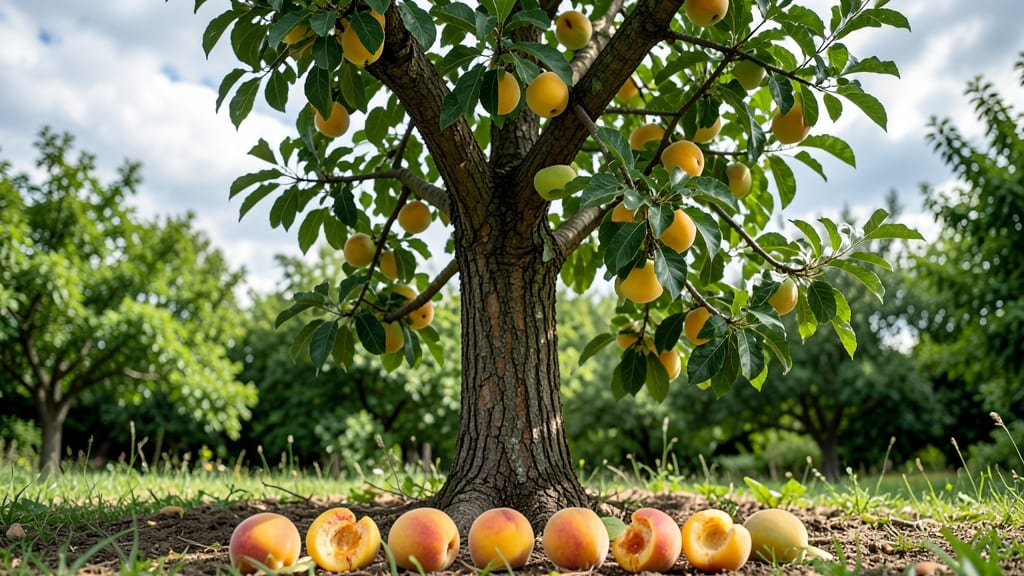
Peach trees dropping fruit before harvest? That heartbreak happens more than you’d think—even to experienced growers. 🌱 The good news? Most cases aren’t hopeless, and a few targeted pruning tricks can make a world of difference in next year’s harvest.
The most common culprits are overcrowded branches (too much fruit on weak limbs) and sudden weather swings (like late frosts or drought stress). I’ve seen trees drop 80% of their fruit just because they couldn’t keep up with demand.
The solution? Strategic pruning to balance fruit load and improve airflow—exactly what I’ll show you. You’ll learn how to identify healthy fruit clusters, when to thin aggressively (or not at all), and which pruning cuts encourage stronger branches.
Within weeks, you’ll notice fewer dropped peaches and more staying power on the tree. This works for both young trees building structure and mature trees struggling with overproduction. Let’s turn that fruit drop into a thing of the past!
Root Causes Behind Fruit Drop
Understanding why peaches prematurely detach from the tree is key to preventing it—and saving your harvest. Fruit drop in peach trees is rarely caused by a single factor but often stems from a mix of environmental stress, physiological imbalances, or poor cultural practices.
Below, we break down the primary culprits and the science behind them, so you can take targeted action.
Peach trees produce auxin, a plant hormone that regulates fruit retention. When flowers pollinate and fruit sets, auxin levels spike—but if the tree is overloaded with too many developing peaches, it can’t sustain them all.
The tree essentially "chooses" to drop excess fruit to redirect energy to the strongest remaining peaches.
Why it happens:
- Over-thinning in early bloom: If you don’t thin fruit after petal fall (when fruit is the size of a dime), the tree may drop 50–80% of the remaining peaches to balance its resources.
- Excessive nitrogen fertilizer: Too much nitrogen promotes leafy growth at the expense of fruit retention, weakening the tree’s ability to support heavy loads.
- Weak root systems: Poor soil drainage, compacted roots, or insufficient water can limit nutrient uptake, forcing the tree to jettison fruit.
Actionable fix: ✅ Thin aggressively at the right stage—aim for 6–8 inches between peaches on mature branches to reduce competition. ✅ Test soil nitrogen levels—use a soil test kit to avoid over-fertilizing (target 0.1–0.2% nitrogen for peach trees). ✅ Improve root health with mycorrhizal fungi or deep watering (1–1.5 inches per week) to boost nutrient absorption.
Peach trees are sensitive to extreme weather, and sudden shifts can trigger abscission (the natural process of fruit detachment). Heat waves, late frosts, or drought stress all disrupt the tree’s ability to maintain fruit.
Why it happens:
- Late spring frosts (below 28°F): Damage pollen tubes, preventing fertilization. Even if flowers survive, unpollinated or poorly fertilized fruit drops within 2–3 weeks.
- Heat stress (above 95°F): High temperatures disrupt auxin production, causing fruit to abscise. This is common in June drops, where peaches fall when they’re 1–2 inches in size.
- Drought or waterlogging: Both conditions stress the tree’s vascular system, limiting sugar and hormone transport to developing fruit.
Actionable fix: 🔥 Protect against frost with row covers or smoke pots during bloom. 🌡️ Use shade cloth (30–50%) in peak summer to reduce heat stress. 💦 Mulch heavily (3–4 inches of wood chips) and drip-irrigate consistently to prevent moisture extremes.
Insects and pathogens don’t just damage leaves—they directly attack fruit, causing it to weaken and drop prematurely. Some pests also inject toxins that trigger abscission.
Why it happens:
- Peach tree borers & curculio weevils: Larvae burrow into fruit, creating entry points for bacterial or fungal infections (e.g., Brown Rot), which rot peaches from the inside out.
- Aphids & mites: These sap-suckers reduce auxin levels by feeding on new growth, leading to blossom or fruit drop.
- Powdery mildew & leaf spot diseases: Fungal infections clog stomata, reducing the tree’s ability to photosynthesize and support fruit.
Actionable fix: 🛡️ Apply neem oil or horticultural oil in dormant season to smother overwintering pests. 🍄 Spray copper fungicide at bloom to prevent bacterial/fungal spread. 🐞 Set up pheromone traps for borers and handpick weevils during harvest season.
Peaches are heavy feeders, and deficiencies in key nutrients can lead to poor cell development and premature drop. The most critical nutrients for fruit retention are boron, calcium, and potassium.
Why it happens:
- Boron deficiency: Causes internal browning and cracking in peaches, leading to drop. Symptoms include dead blossom ends or stunted fruit.
- Calcium deficiency: Weakens cell walls, making fruit soft and prone to splitting or rotting.
- Potassium deficiency: Reduces disease resistance and osmotic regulation, causing fruit to abscise under stress.
Actionable fix: 📊 Soil test for boron (target 0.5–2.0 ppm) and amend with borax (1 tbsp per gallon of water) if deficient. 🥛 Apply calcium nitrate (1 lb per 100 sq ft) at pit hardening stage (6–8 weeks after full bloom). 🍠 Use potassium sulfate (0.5 lb per tree) in late summer to boost stress tolerance.
Physical stress from wind, hail, or improper harvesting techniques can sever fruit stems, leading to drop. Even vibrations from machinery near the tree can trigger abscission.
Why it happens:
- Strong winds: Peach stems are fragile—gusts over 15 mph can snap them, especially if the tree is overloaded with fruit.
- Hail damage: Bruises create entry points for rot, accelerating drop.
- Vibration from tools: Using string trimmers or leaf blowers near the tree can disrupt auxin transport, causing fruit to fall.
Actionable fix: 🌬️ Stake young trees in windy areas and prune to open the canopy for better airflow. 🛡️ Use netting or windbreaks during hail season. ✂️ Harvest by hand and avoid shaking branches—peaches detach easily when ripe!
Pro Tip: 💡 Keep a harvest log! Track when drops occur (e.g., post-bloom, June, or harvest time) to pinpoint the exact cause. Was it hormonal, environmental, or pest-related**? Your notes will guide next year’s prevention plan.
Fixing Peach Tree Fruit Drop
Peach trees drop fruit for many reasons—whether it’s due to overcrowding, poor pruning, or environmental stress. The good news? Most causes have simple, actionable fixes. Below, we’ll break down the most common triggers and practical solutions to save your harvest. 🍑🌳
Problem: Too many fruits on dense branches strain the tree, leading to premature drop.
How to Fix It:
- Thin the Fruit 🍑🔪
- Remove 20-30% of developing fruit when they’re still small (pea-sized). Focus on keeping the largest, healthiest peaches spaced 6–8 inches apart along the branch.
- Use sharp pruning shears to avoid damaging stems.
- Pro Tip: 💡 Thin in stages—remove a third of the fruit, wait 2 weeks, then thin again. This reduces stress on the tree.
- Prune for Airflow 🌬️✂️
- Open the tree’s canopy by removing 10-20% of dense branches (especially those growing inward or crossing).
- Aim for an open-center shape to improve sunlight and airflow.
- Timing Matters: 🌡️ Prune dormant season (late winter) for structural changes, but avoid heavy pruning during fruit set (April–May).
Problem: Drought stress or nutrient deficiencies cause fruit to abort early.
How to Fix It:
- Deep Watering Routine 💦🌱
- Water deeply 1–2 times per week (not daily shallow watering) to encourage strong root growth.
- Mulch heavily (3–4 inches of wood chips or straw) to retain moisture and regulate soil temp.
- Signs of Stress: 🌡️ Wilting leaves or fruit that shrivels before ripening? Increase water gradually.
- Boost Soil Health 🌱💪 - Test your soil (pH 6.0–6.5 is ideal for peaches).
Amend with compost or aged manure if needed. - Fertilize strategically: - Early spring (before buds swell): Apply balanced fertilizer (10-10-10) + zinc sulfate (peaches are zinc-hungry!). - Post-harvest (fall): Add potassium-rich fertilizer (like 0-0-50) to strengthen next year’s fruit. - Avoid Over-Fertilizing: ⚠️ Too much nitrogen = leafy growth, fewer peaches!
Problem: Extreme weather shocks the tree, causing fruit to drop suddenly.
How to Fix It:
- Protect from Wind 🌬️🛡️
- Plant windbreaks (like tall shrubs or a fence) on the prevailing wind side.
- Stake young trees to prevent uprooting in storms.
- Quick Fix: 💡 If a storm’s coming, cover young fruit with frost cloth (lightweight fabric) to reduce windburn.
- Heat Wave Recovery 🌡️🔥
- Shade cloth (30–50% coverage) can lower temps by 10–15°F during extreme heat.
- Mulch thicker (4+ inches) to keep roots cool.
- Avoid overhead watering in heat—water early morning instead to prevent sunburn on fruit.
- Hail Damage? 🌪️🍑
- Remove bruised or split fruit immediately to prevent rot.
- Apply fungicide (copper-based) to protect wounds.
Problem: Insects (like aphids, borers) or diseases (brown rot, leaf curl) weaken the tree.
How to Fix It:
- Pest Control 🐜💥
- Handpick large pests (e.g., peach twig borers) or use neem oil spray (organic option).
- Beneficial insects: 🐝 Introduce ladybugs or lacewings to combat aphids.
- Prevention: 🌱 Plant companion plants like marigolds or basil to repel pests.
- Disease Management 🦠🚫
- Prune infected branches (sterilize shears with rubbing alcohol between cuts).
- Spray preventatively in early spring with:
- Baking soda spray (1 tbsp baking soda + 1 tsp oil + gallon of water) for fungal diseases.
- Copper fungicide for brown rot (follow label rates).
- Clean Up: 🧹 Remove fallen leaves/fruit in fall to reduce spores.
Problem: Late frosts, lack of pollinators, or wrong pruning timing disrupt fruit set.
How to Fix It:
- Hand-Pollinate if Needed 🐝🤝
- If bees are scarce, gently shake branches during bloom to transfer pollen.
- Pro Tip: 💡 Plant bee-friendly flowers (like clover or lavender) nearby.
- Adjust Pruning Timing ⏰✂️
- Avoid heavy pruning in late winter/early spring (when buds swell). Wait until after harvest for major cuts.
- Light pruning (removing dead wood) can happen dormant season.
- Protect from Late Frosts ❄️🔥
- Cover trees with frost blankets on nights below 32°F during bloom.
- Choose late-blooming peach varieties (e.g., ‘Relenta’ or ‘Redhaven’) for frost-prone areas.
To keep fruit drop at bay long-term: ✅ Prune annually (open canopy, remove dead wood). ✅ Thin fruit early (don’t wait until it’s too late!). ✅ Monitor pests/diseases (weekly inspections in spring). ✅ Mulch & water deeply (consistency is key!). ✅ Test soil & fertilize (balance is critical).
Final Thought: 🎯 A little preventative care now means bigger, healthier peaches next season. Start with one fix (like thinning or mulching) and build from there—your tree (and taste buds) will thank you!
Frequently asked questions about peach tree fruit drop
Why do my peaches keep falling off before they ripen?
Peach trees often drop fruit due to overcrowding, hormonal imbalances, or environmental stress. When too many peaches develop, the tree prioritizes a few healthy ones over many weak ones. Check for 6–8 inches between fruit—this spacing helps the tree support them better. Weather shocks like late frosts or drought can also trigger premature drop.
Is it normal for peaches to fall after a late frost?
Yes, but it’s not ideal! Late frosts damage pollen tubes, preventing proper fertilization. Even if flowers survive, unfertilized peaches will drop within 2–3 weeks. Protect your tree with row covers or smoke pots during bloom season to minimize losses.
How can I tell if my peach tree has a nutrient deficiency?
Look for specific signs: boron deficiency causes dead blossom ends or cracked fruit, while calcium deficiency leads to soft, rotting peaches. Test your soil and amend with borax (1 tbsp/gallon) or calcium nitrate (1 lb/100 sq ft) if needed. Yellow leaves with green veins may indicate nitrogen overload—reduce fertilizer to improve fruit retention.
Can I save peaches that have already fallen? How?
Fallen peaches can still be used! Pick them up immediately to prevent rot, then store them in a cool, dry place for 1–2 days to ripen. Avoid washing until ready to eat. For long-term storage, freeze them whole or slice them—just blanch first to preserve texture.
What’s the best time to thin peach fruit to prevent drop?
Thin fruit when peaches are the size of a dime (pea-sized) to avoid overloading the tree. Remove 20–30% of developing fruit, spacing remaining peaches 6–8 inches apart. Repeat thinning every 2 weeks until harvest. This reduces competition and helps the tree focus energy on fewer, healthier peaches.