
Blooming
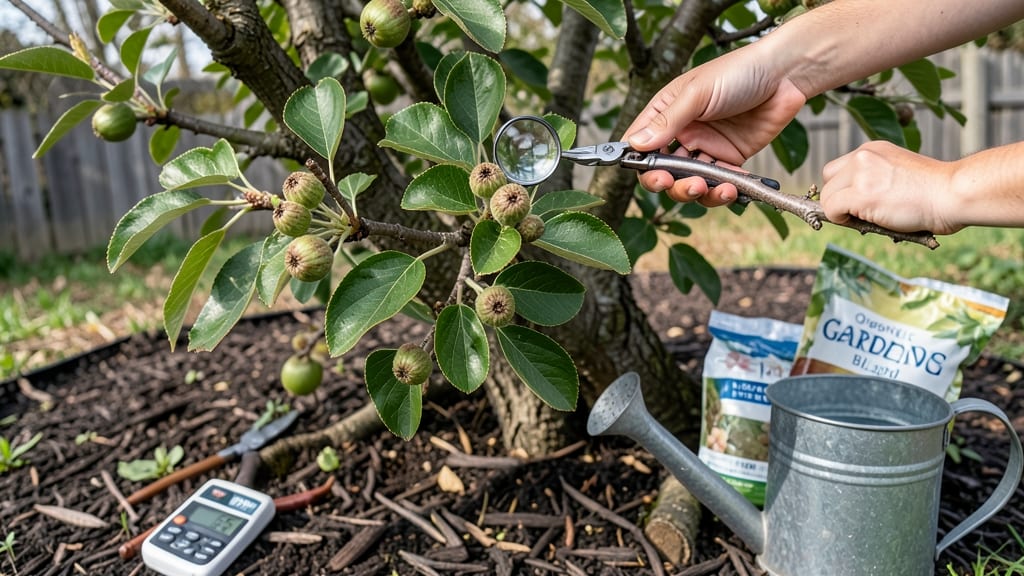
A crabapple tree not blooming can turn a hopeful spring into a quiet disappointment. 🌸 I’ve watched my own tree stand bare for years, wondering if I’d missed something obvious—like sunlight, food, or even patience. The good news?
Most blooming problems have simple fixes, and many trees just need a little nudge to wake up. First, check the basics: age matters. Young trees (under 5 years) focus on growth, not flowers. Older trees might need pruning adjustments—over-trimming can reduce next year’s blooms.
Even environmental stress (like drought or poor soil) can stall flowering. The fix often starts with a closer look at your tree’s health and history. With the right care, you’ll see buds forming by next spring—vibrant pink or white clusters that attract pollinators and fill your yard with fragrance.
It’s about timing, nutrients, and a few targeted tweaks. Let’s diagnose what’s holding yours back.
Start by inspecting the tree’s canopy and roots. Are the branches dense enough for sunlight to reach the center? Are the roots struggling in compacted or nutrient-poor soil? A simple soil test or mulch refresh can work wonders.
If the tree is mature but still silent, fertilizer timing might be off—too late in summer can delay blooms. The payoff? A tree that finally burst into bloom after years of silence. It’s not just about flowers—it’s about restoring balance.
And if all else fails, a professional arborist can spot hidden issues like disease or pests holding your tree back.
This works for standard crabapples, disease-resistant varieties, and even dwarf types. The key is patience—some trees need a full season to rebound. But with the right steps, your tree will thank you with showstopping spring color you’ve been waiting for.
Root Causes of Missing Blossoms
Crabapple trees are prized for their stunning spring blooms, but when they fail to flower, it’s often a sign of underlying stress or imbalance. Understanding the why behind your tree’s lack of blossoms is the first step to revival.
Below, we break down the most common culprits—each with clear scientific explanations and actionable insights to help you diagnose the issue.
Crabapple trees (Malus spp.) are sun-worshippers—they thrive in full sun (6–8 hours daily) to trigger flowering. When deprived of adequate light, they prioritize survival over reproduction, delaying or skipping blooms entirely.
Why it happens:
- Photosynthesis slowdown: Low light reduces energy production, limiting the tree’s ability to store carbohydrates needed for flower buds.
- Dormancy confusion: Some cultivars interpret shade as a signal to remain dormant longer, postponing spring growth.
- Weak structural development: Shady conditions lead to sparse canopies, reducing the tree’s capacity to support heavy blossoms.
Actionable fix:
- Assess sunlight: Use a sunlight tracker app to confirm hours of direct light.
- Prune obstructive plants: Remove nearby tall shrubs, buildings, or dense foliage blocking sunlight.
- Consider relocation: If the site is irreparable, transplant the tree to a sunnier spot (best done in late fall or early spring).
Crabapples are chilling-sensitive—they require a specific range of winter cold to break dormancy and trigger flowering. Too much heat or cold can disrupt this process.
Why it happens:
- Insufficient chilling hours: Many crabapple cultivars need 200–1,000 hours below 45°F (7°C) to set flower buds. Mild winters (common in zones 7–9) may fail to meet this threshold.
- Late frosts: A sudden freeze after buds swell can kill emerging flowers, leaving no visible blooms.
- Heat stress in summer: Prolonged drought or high temperatures (>90°F/32°C) can stunt bud formation the following spring.
Actionable fix:
- Monitor chilling hours: Check your local climate data to see if your region meets the tree’s needs.
- Protect from late frosts: Install frost cloth or use overhead sprinklers to raise bud temperature by a few degrees.
- Water deeply in summer: Aim for 1–1.5 inches of water weekly to prevent heat stress.
Flower bud formation is highly sensitive to moisture levels. Overwatering or drought stress can both sabotage blooms by disrupting nutrient uptake and root health.
Why it happens:
- Drought stress: Water scarcity triggers the tree to conserve energy, prioritizing root and leaf growth over flowers.
- Overwatering: Poor drainage or excessive moisture leads to root rot (Phytophthora or Fusarium), starving the tree of nutrients needed for blooming.
- Improper timing: Sudden water changes (e.g., drought followed by heavy rain) can shock the tree, halting bud development.
Actionable fix:
- Test soil moisture: Stick your finger 4–6 inches deep—if dry, water deeply. If soggy, improve drainage.
- Mulch properly: Apply 2–4 inches of mulch (wood chips, bark) to retain moisture and regulate soil temperature.
- Adjust watering schedule: Water slowly and deeply (1–2 times per week) rather than frequent shallow sessions.
Flowering is an energy-intensive process, and deficiencies in key nutrients can halt bud formation. The most critical offenders:
| Nutrient | Deficiency Signs | Impact on Blooms | Solution |
|---|---|---|---|
| Nitrogen (N) | Yellowing leaves, stunted growth | Fewer or smaller flowers | Apply balanced fertilizer (10-10-10) in early spring. |
| Phosphorus (P) | Dark green leaves, weak stems | Delayed or absent flower buds | Use bone meal or phosphorus-rich fertilizer in fall. |
| Potassium (K) | Brown leaf edges, poor root growth | Bud drop before opening | Add potassium sulfate or wood ash. |
| Magnesium (Mg) | Yellowing between leaf veins | Reduced flower quality/quantity | Apply Epsom salt (1 tbsp/gallon of water). |
Pro tip: 🌡️ Soil test first! A simple $20 home test kit (or lab test) reveals exact deficiencies before over-fertilizing.
Hidden invaders can devour buds, leaves, or roots, leaving your tree too weak to bloom. Common culprits:
- Aphids/Scale Insects: Sap-sucking pests distort new growth, preventing bud development.
- **Fire Blight (Erwinia amylovora): A bacterial infection that blackens and kills blossoms, often spreading to branches.
- Borers (e.g., peach tree borer): Larvae tunnel into bark, disrupting nutrient flow to flower buds.
- Fungal infections (e.g., powdery mildew): Can smother buds before they open, especially in humid climates.
Actionable fix:
- Inspect buds early spring: Look for sticky residue (aphids), blackened tissue (fire blight), or sawdust-like frass (borers).
- Prune infected branches: Cut 6 inches below damage (sterilize tools with 70% alcohol).
- Apply neem oil or horticultural oil (for pests) or copper fungicide (for bacterial/fungal issues) before bud swell.
Even healthy crabapples may skip blooming due to natural life stages or improper dormancy cycles.
Why it happens:
- Young trees (under 3–5 years): Focus energy on root and trunk growth before flowering.
- Over-fertilized trees: Excess nitrogen promotes foliage over flowers.
- Improper pruning: Heavy pruning in late winter/early spring (when buds are forming) can remove next year’s flowers.
Actionable fix:
- Be patient with young trees: They’ll bloom once established.
- Prune in late summer/fall: Avoid cutting back after September to preserve flower buds.
- Reduce nitrogen: Switch to a low-N, high-P/K fertilizer (e.g., 5-10-10) to encourage blooming.
Herbicides, pesticides, or salt buildup (from de-icing or poor soil) can stunt growth and flowering.
Why it happens:
- Glyphosate drift: Even residual herbicide can inhibit root and bud development.
- Salt damage: High sodium levels disrupt nutrient uptake, leading to weak, non-flowering trees.
- Overuse of systemic pesticides: Some chemicals (e.g., imazalil) can suppress blooming as a side effect.
Actionable fix:
- Test for soil contaminants: A soil pH test (ideal: 6.0–7.0) and salt analysis can reveal issues.
- Flush soil with water: If salt is suspected, deep-water the tree to leach excess sodium.
- Avoid herbicides near the tree: Stick to organic mulch and targeted spot treatments**.
Revive Your Tree’s Beauty Now
If your crabapple tree is stubbornly refusing to bloom, don’t despair—there’s hope! The right fixes depend on the root cause, but with a little effort, you can coax those vibrant blossoms back.
Below, we’ve mapped out practical solutions for the most common issues, along with proactive tips to keep your tree thriving.
If your tree lacks essential nutrients, it may prioritize foliage over flowers. A balanced approach ensures it has the energy to bloom.
🔥 Step 1: Test the Soil
Before amending, check your soil’s pH and nutrient levels with a simple DIY soil test kit (available at garden centers). Crabapple trees prefer slightly acidic to neutral soil (pH 6.0–7.0).
🍳 Step 2: Feed with the Right Fertilizer
Use a balanced, slow-release fertilizer (like 10-10-10 or 20-20-20) in early spring, just as buds swell. For a nutrient boost, try:
- Compost: Mix 2–3 inches into the topsoil around the tree’s drip line (the area where branches extend).
- Organic matter: Add aged manure, leaf mold, or worm castings for long-term health.
- Micronutrients: A light application of Epsom salt (magnesium sulfate) can help if yellowing leaves signal deficiency.
👨🍳 Step 3: Water Deeply and Consistently
Drought stress forces trees to conserve energy—often at the expense of blooms. Water deeply 1–2 times per week (more in extreme heat) to encourage root growth. Use a soaker hose or drip irrigation to avoid wetting foliage (which can cause disease).
💡 Pro Tip: Mulch with 3–4 inches of organic mulch (like wood chips or shredded bark) to retain moisture and regulate soil temperature.
Crabapple trees are sun-worshippers. If they’re shaded or planted in the wrong spot, blooms will suffer.
🌞 Step 1: Assess Sunlight Exposure
Move potted trees or prune nearby structures (like fences or taller trees) to ensure your crabapple gets at least 6–8 hours of direct sunlight daily. South- or west-facing spots are ideal.
🏡 Step 2: Replant if Necessary
If your tree is mature and permanently shaded, consider transplanting it to a sunnier location. Do this in early spring or fall, and water thoroughly afterward to reduce transplant shock.
🌡️ Step 3: Protect from Harsh Conditions
While crabapples tolerate some cold, late spring frosts can damage buds. If your area has unpredictable frost dates, plant a late-blooming variety (like ‘Adirondack’ or ‘Dolgo’) or use frost cloth to shield buds when frost is forecasted.
✨ Pro Tip: Avoid planting near large trees that will cast permanent shade. Crabapples compete poorly with aggressive root systems like oaks or pines.
Pests and pathogens drain your tree’s energy, leaving little for flowers. Early intervention is key.
🔪 Step 1: Identify the Culprit
Common offenders include:
- Aphids: Tiny green/black insects clustering on new growth.
- Scale insects: Bumpy, immobile pests on branches.
- Fire blight: Blackened, oozing branches (a bacterial disease).
- Powdery mildew: White, powdery fungus on leaves.
🛡️ Step 2: Treat Effectively
Use these targeted solutions:
| Problem | Solution |
|---|---|
| Pests (aphids, scale) | Spray with neem oil or insecticidal soap (apply in early morning or evening). Repeat every 7–10 days. |
| Fire blight | Prune infected branches 6 inches below the damage with sterilized tools. Dispose of debris in a sealed bag. Apply copper fungicide as a preventative. |
| Powdery mildew | Improve airflow by pruning dense branches. Spray with baking soda solution (1 tbsp baking soda + 1 gallon water + a drop of dish soap) or sulfur fungicide. |
💡 Pro Tip: Encourage beneficial insects like ladybugs and lacewings by planting marigolds or dill nearby. They’ll keep pests in check naturally!
Overgrown or improperly pruned trees may skip blooming. Strategic pruning redirects energy to flowers.
✂️ Step 1: Prune at the Right Time
Do most pruning in late winter or early spring (before buds swell). Avoid heavy pruning in fall, as it can stimulate late growth vulnerable to frost.
🌿 Step 2: Focus on Open Canopy
Remove:
- Dead, diseased, or crossing branches.
- Suckers (shoots growing from the base).
- Overly dense growth to improve airflow.
🎯 Step 3: Thin Out for Sunlight
Aim for an open, vase-like shape to let sunlight penetrate the center. This encourages blooms on inner branches.
🔥 Pro Tip: If your tree is young (<5 years old), avoid heavy pruning—it needs energy to establish roots first. Light shaping is enough!
Once you’ve revived your tree, keep these habits to ensure it blooms reliably:
- 📅 Mulch annually: Refresh mulch in early spring to lock in moisture and nutrients.
- 💧 Water deeply in droughts: Container-grown trees need more frequent watering.
- 🌿 Monitor for pests: Check leaves regularly for early signs of infestation.
- 🌞 Choose the right location: Avoid planting near sidewalks or structures that will shade it as it grows.
- 🌱 Fertilize lightly in spring: Over-fertilizing can lead to excessive foliage and fewer flowers.
With these steps, your crabapple tree should be back to its show-stopping best in no time. Patience is key—some trees take a season or two to rebound, but the effort is worth those stunning spring blooms!
Frequently asked questions
Why does my young crabapple tree not bloom?
Young crabapple trees (under 3-5 years) often prioritize root and trunk growth over flowering. This is completely normal! They need time to establish a strong foundation before dedicating energy to blooms. Focus on proper watering and balanced fertilization during these early years.
Can overwatering prevent my crabapple tree from blooming?
Yes, overwatering can absolutely be the culprit! Excess moisture leads to root rot, which starves the tree of nutrients needed for flower production. Always check soil moisture by sticking your finger 4-6 inches deep—water only when dry. Improve drainage with organic mulch and avoid waterlogging.
How do I know if my tree needs fertilizer?
Look for these signs: yellowing leaves, stunted growth, or weak stems. A simple soil test (available for $20) reveals nutrient deficiencies. For blooming, use a low-nitrogen, high-phosphorus fertilizer (like 5-10-10) in early spring, just as buds begin to swell.
Will pruning my tree in late winter affect next year's blooms?
Pruning in late winter (when flower buds are forming) can remove next year's blossoms. Instead, prune in late summer or early fall to avoid this issue. Focus on removing dead branches and thinning dense growth to improve airflow and sunlight penetration.
Could pests be the reason my crabapple isn't blooming?
Yes, pests like aphids, scale insects, or borers can sap your tree's energy, leaving little for flowers. Check for sticky residue (aphids), bumpy growths (scale), or sawdust-like frass (borers). Treat with neem oil or insecticidal soap, and encourage natural predators like ladybugs by planting marigolds nearby.