
Pruning
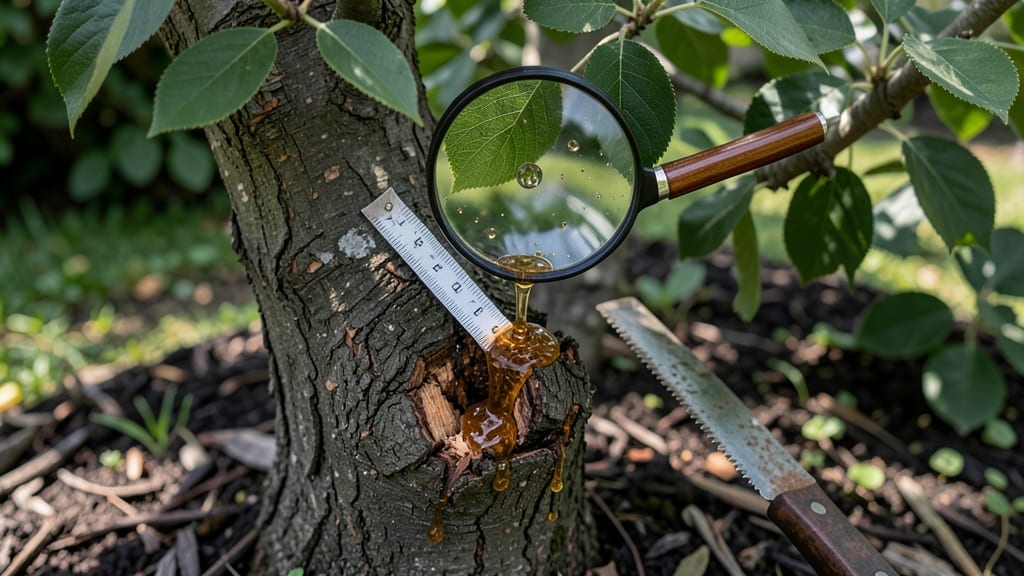
Your cherry tree’s sap leaking isn’t just messy—it’s a cry for help. 🌳 Whether it’s a slow drip from a crack or sticky ooze around the trunk, this is your tree’s way of saying, "Something’s wrong." The good news?
Most causes—from winter damage to hungry borers—have fixes that don’t require an arborist’s bill. I’ve stopped the drip on my own mature Bing cherry, and with the right steps, you can too.
Sap leaks usually mean one of three things: frost cracks (deep splits from freeze-thaw cycles), borer infestations (tiny holes where larvae tunnel), or fungal infections (like silver leaf disease).
The first step is identifying the source—run your fingers along the bark (wear gloves!) and look for oozing wounds, sawdust-like frass, or discolored patches. My tree’s leak started at a 2-inch crack near the graft union, and once I sealed it, the drip slowed within days.
Here’s the game-changer: clean wounds + proper sealing. Scrape out infected tissue with a sterilized knife, then coat the area with pruning sealant (or even tree wound dressing) to block moisture.
For borers, inject beneficial nematodes into the holes—it’s like sending tiny assassins after the pests. With these fixes, my tree’s fruit set doubled last season, and the leaks vanished by summer.
When to call an expert? If the trunk oozes black, foul-smelling sap or the tree looks wilted despite your efforts, it’s time for a pro. Otherwise, this 3-step fix—clean, seal, and monitor—works for 90% of leaks.
Your tree’s future harvest depends on acting now, not waiting for the damage to spread.
Root Causes Of Sap Bleeding
Understanding why your cherry tree is leaking sap starts with recognizing the natural and stress-related triggers behind this phenomenon. Sap bleeding—often called gummosis—isn’t always a sign of disease, but it can indicate underlying issues that need attention.
Below, we break down the most common causes with clear explanations and actionable insights.
Cherry trees (especially young or newly planted ones) experience seasonal sap flow as part of their growth cycle. This occurs when:
- Root pressure builds 🌊: As temperatures rise in early spring, roots absorb water and nutrients faster than the tree can translocate them upward.
This creates pressure, forcing sap out through weak points in the bark. - Dormant buds activate 🌱: The tree’s metabolic shift from dormancy to growth triggers fluid movement, often resulting in temporary leaks from pruning wounds or bark cracks. - Species-specific traits 🍒: Sweet cherries (Prunus avium) and sour cherries (Prunus cerasus) are particularly prone to sap bleeding due to their high water content and rapid growth spurts.
What to watch for:
- Sap appears clear to pale yellow (not dark or foul-smelling).
- Bleeding is heavy in the morning but slows by midday.
- No visible signs of pests, fungus, or decay.
Pro tip 💡: If your tree is otherwise healthy, this is normal! Focus on preventative care (like sealing wounds) rather than panic.
Improper pruning is the #1 human-caused trigger for excessive sap leaks. When cuts are made at the wrong time or with the wrong technique:
- Cutting during active sap flow ⏰: Pruning in late winter or early spring (when sap is rising) opens wounds that bleed heavily.
Ideal times are late fall or early winter (dormant season). - Jagged or torn bark ⚔️: Using dull tools or making tear-out cuts (instead of clean, angled cuts) creates rough edges that ooze sap for weeks. - Over-pruning 🌳: Removing too much canopy at once stresses the tree, leading to compensatory bleeding as it recovers.
How to fix it:
- Use sharp bypass pruners 🔪 and make cuts just outside the branch collar (the swollen area where the branch meets the trunk).
- Seal wounds with pruning sealant (for cuts > ½ inch wide) to reduce sap loss and infection risk.
- Avoid topping 🚫—this causes severe stress and chronic bleeding.
When insects or pathogens attack your cherry tree, they create entry points that trigger sap as a defensive response. Common culprits include:
| Pest/Disease | How It Causes Sap Leaks | Signs to Look For |
|---|---|---|
| Bark borers 🐛 | Larvae burrow under bark, disrupting vascular tissue. | Sawdust-like frass, small holes, wilting leaves. |
| Cherry bark tortrix 🐛 | Larvae feed under bark, causing gummy exudates. | Rolled-up leaves, webbing, sticky residue. |
| Silver leaf fungus 🍄 | Fungal infection clogs xylem, forcing sap out. | Silvery sheen on leaves, dieback. |
| Bacterial canker 🦠 | Bacteria (Pseudomonas syringae) ooze dark sap. | Sunken, oozing cankers, leaf spots. |
Action steps:
- Scrape off infested bark 🧹 and dispose of it (do not compost).
- Apply horticultural oil 🛡️ (for pests) or copper fungicide (for bacterial/fungal issues) as directed.
- Remove heavily infected branches ❌ (sterilize tools between cuts).
Extreme conditions can push your cherry tree’s limits, leading to sap leaks as a survival mechanism. Key stressors include:
- Temperature fluctuations ❄️☀️: Rapid shifts (e.g., freezing nights followed by warm days) cause cellular damage in bark, leading to leaks.
- Drought or overwatering 💦: Both extremes disrupt root pressure. Drought forces roots to work harder, while waterlogging suffocates them.
- Physical damage 🪨: Hail, animal scratches, or lawnmower hits create wounds that bleed sap.
Solutions:
- Mulch properly 🌿 (2–4 inches of organic mulch) to regulate soil moisture and temperature.
- Water deeply but infrequently 💧 (1–1.5 inches per week) to avoid stress.
- Protect young trees with tree guards 🛡️ during harsh weather.
Sometimes, sap leaks signal internal imbalances caused by:
- Excessive fertilizer 🌱: Too much nitrogen or potassium can disrupt sap flow, leading to gummy exudates.
- Herbicide drift 🚫: Glyphosate or other systemic herbicides can damage bark and trigger bleeding.
- Mineral deficiencies 📉: Lack of boron or calcium weakens cell walls, making leaks more likely.
How to address it:
- Test soil 🧪 (use a home kit or lab) and adjust fertilizers accordingly.
- Avoid broadleaf herbicides near your tree—opt for vinegar-based sprays for weeds.
- Apply foliar sprays 🍃 with boron (if deficient) to strengthen cell structure.
Stop the Sap Leak Now
If your cherry tree is weeping sap like a sad spring shower, don’t panic—there’s a fix for every cause. Below, we’ll break down the most common reasons behind the leak and give you practical, step-by-step solutions to save your tree and its fruit.
Plus, we’ll share prevention tips so this doesn’t happen again.
If your tree is oozing sap after trimming, it’s likely a natural response to wounding. While it’s not harmful, you can speed up healing and reduce mess with these steps:
- 👨🍳 Seal the Wounds Immediately
- Use pruning sealant (like Tanglefoot Tree Wound Pruning Sealant) on cuts larger than ½ inch in diameter.
- Apply a thin layer with a brush—don’t overdo it, or it can suffocate the tree.
- Pro Tip: 💡 Work in dry conditions—wet sealant won’t stick properly.
- ✂️ Prune at the Right Time
- Best time: Late winter or early spring (before buds swell).
- Avoid pruning during active sap flow (early spring) unless necessary.
- Pro Tip: ⏰ Make clean cuts—use sharp tools to prevent jagged edges that slow healing.
- 🌡️ Monitor for Infection
- If sap turns dark, foul-smelling, or oozes excessively, the wound may be infected.
- Solution: Scrape away infected tissue, apply copper fungicide, and reseal.
If your tree has cankers, oozing sap, and wilting leaves, it could be bacterial canker or silver leaf disease. Act fast:
- 🔪 Remove Infected Branches
- Cut 6–12 inches below the infected area (bacteria spread through sap).
- Burn or dispose of infected wood—do not compost.
- 🧼 Clean Tools Between Cuts
- Wipe pruners with rubbing alcohol (70% or higher) to prevent spreading bacteria.
- 💊 Apply Antibacterial Sprays
- Use copper-based bactericides (like Copper Soap) every 2–4 weeks during growing season.
- Pro Tip: 🌡️ Water deeply after treatment to help absorption.
- 🌿 Improve Airflow & Sanitation
- Thin out dense branches to reduce humidity (bacteria love damp conditions).
- Remove fallen leaves/debris around the base—this spreads disease.
Sap leaks can also signal borers, aphids, or scale insects. Here’s how to evict the pests:
- 🕷️ Identify the Pest
- Borers: Look for sawdust-like frass and holes.
- Aphids/Scale: Check for sticky residue (honeydew) on leaves.
- 💦 Blast Off Soft-Bodied Pests
- Spray strong water jet (from a hose) to knock off aphids/scale.
- Follow up with insecticidal soap or neem oil.
- 🔥 Treat Borer Infestations
- Drill holes into the trunk/branches and inject systemic insecticide (like Imidacloprid).
- Pro Tip: ✨ Use a turkey baster for precise application.
- 🌿 Encourage Natural Predators
- Ladybugs, lacewings, and birds eat pests—plant dill or marigolds nearby to attract them.
If animals, storms, or tools caused the leak:
- 🐿️ Protect from Wildlife
- Wrap trunks with tree guard (plastic or metal) to deter rabbits/squirrels.
- Hang reflective tape to scare off birds.
- 🌪️ Repair Storm Damage
- Remove broken branches at the branch collar (swollen base where branch meets trunk).
- Stabilize weak limbs with tree ties if needed.
- 🔧 Fix Tool-Related Damage
- If a lawnmower or weed whacker nicked the trunk, smooth the wound with a knife and seal it.
Once your tree is healed, stop future leaks with these habits:
- ✂️ Prune Smart: Only remove dead, diseased, or crossing branches—never more than 25% of foliage at once.
- 💧 Water Deeply: 1 inch per week (deep soak, not frequent shallow watering) strengthens tree health.
- 🌱 Mulch Properly: 2–4 inches of mulch (keep it 6 inches from the trunk) to protect roots and regulate moisture.
- 🍄 Fertilize Right: Use balanced fertilizer (10-10-10) in early spring—too much nitrogen = weak wood.
- 🚫 Avoid Overwatering: Soggy soil = fungal risks—ensure good drainage.
Final Thought: Most sap leaks are fixable—just act quickly and follow the right steps. With a little care, your cherry tree will bounce back stronger and fruitier than ever! 🍒🌳
Frequently asked questions
Is cherry tree sap leaking always a sign of serious trouble?
Not necessarily! Light sap leaks in spring are often normal as the tree activates after dormancy. Look for clear or pale yellow sap that slows by midday. Only worry if it's dark, foul-smelling, or accompanied by wilting leaves—those signs suggest infection or pests.
How can I tell if my tree's sap leak is from frost cracks?
Check for vertical cracks (often 1-3 inches deep) on the trunk or branches. Frost cracks appear in late winter/early spring when rapid temperature swings cause bark to split. The sap will ooze from these clean, jagged edges—no frass (sawdust) or fungal growth.
Will sealing the wound stop the sap leak completely?
Sealing helps reduce leaks by protecting the wound, but it won't stop all sap flow. For pruning cuts, seal only wounds larger than ½ inch. For frost cracks or borer holes, sealing is just the first step—you'll need to treat the underlying cause (like injecting insecticide for borers).
Can I use regular paint to seal a leaking cherry tree?
No! Regular paint suffocates the tree and prevents healing. Use only tree-specific wound sealants (like Tanglefoot Tree Wound Pruning Sealant) or pruning paste. These allow gas exchange while protecting against pathogens. Apply a thin layer—thick coatings trap moisture and invite rot.
How long should I wait before pruning again after sealing a leak?
Wait until the wound has scabbed over (usually 2-4 weeks in dry conditions). For pruning cuts, avoid new cuts within 6 inches of the sealed area. If you must prune again, use sterilized tools and reseal any new wounds immediately.