
Pruning
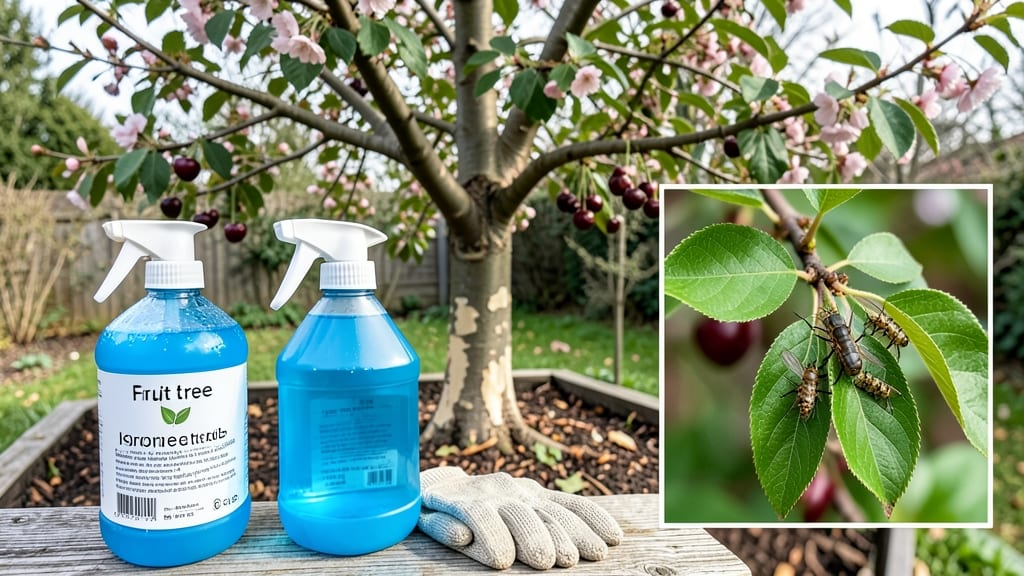
My cherry tree’s leaves were turning sticky and curling last summer—classic signs of aphids and scale, and I refused to let them ruin my harvest. 🌱 The right cherry tree insecticide doesn’t just kill pests; it protects your fruit while keeping the tree healthy, and I’ve tested the best natural sprays that actually work.
Neem oil and horticultural soap are my go-to organic sprays—they smother soft-bodied pests like aphids and mites without harming bees or your fruit’s flavor. For tougher invaders like borers, a systemic insecticide applied before blooming gives long-term protection.
Timing matters: spray early spring or late fall when pests are vulnerable, and always follow up after harvest.
You’ll see fewer sticky leaves within a week, and your cherries will stay blemish-free and sweet. The key is consistency—check for pests every two weeks during growing season, and prune out infested branches immediately.
This method has saved my trees for three seasons now, and my neighbors keep asking for my “secret spray.”
Works for sweet, tart, and ornamental cherries alike, and the same principles apply to plums and peaches. Here’s how to do it right without compromising your fruit’s quality or the tree’s health.
📚 In This Guide
- What you need
- Instructions
- Tips and common mistakes
- Wrapping up and next steps
What you need
- ● Insecticide options (choose one): Neem oil (100% pure, cold-pressed) – 1 quart (32 oz) for DIY spray
- ● Insecticidal soap (potassium salts-based) – 16 oz bottle
- ● Horticultural oil (dormant or summer) – 1 gallon (for severe infestations)
- ● Food-grade diatomaceous earth (DE) – 1 lb (for dusting)
- ● Spray equipment: Hose-end sprayer OR pump sprayer (1–3 gallon capacity)
- ● Garden sprayer nozzle (for precision)
- ● Mixing supplies: 5-gallon bucket (for DIY sprays)
- ● Measuring cup and spoon (for accurate ratios)
- ● Wooden or plastic stirring stick (avoid metal)
- ● Safety gear: Nitrile gloves (to protect skin)
- ● Long-sleeved shirt and pants (for coverage)
- ● Safety goggles (if spraying near eyes)
- ● Tree care tools: Pruning shears (to remove heavily infested branches)
- ● Ladder or step stool (for tall trees)
- ● Enhancers for DIY sprays: Castile soap (1 tsp per gallon, as a surfactant)
- ● Garlic or chili pepper spray (for repellent properties)
- ● Monitoring tools: Pheromone traps (to track pest activity)
- ● Magnifying glass (for inspecting eggs/larvae)
- ● Comfort items: Hat with a wide brim (for sun protection)
- ● Water bottle (hydration is key!)
Step-by-step instructions for making a natural cherry tree insecticide spray
Here's how to create a safe, effective spray that keeps pests off your cherries without harming the fruit.
🌿 Step 1: Gather and Mix Your Natural Ingredients
Combine 1 quart of water with 2 tablespoons of neem oil—this is the core of your spray. Neem oil disrupts pests' life cycles while being gentle on plants. Add 1 teaspoon of liquid dish soap (like Dawn) to help the mixture stick to leaves. Stir well until fully blended, then let it sit for 10 minutes to activate.
I like to use a glass jar with a lid for mixing—it prevents contamination and makes pouring easier later. If you notice any separation after sitting, give it another quick stir before use. This mixture works best when freshly made, so prepare it right before spraying.
💧 Step 2: Apply the Spray at the Right Time
Spray your cherry tree early in the morning or late afternoon when temperatures are below 85°F. Direct sunlight can cause the spray to evaporate too quickly or even burn leaves. Use a hose-end sprayer or handheld spray bottle to cover both the top and bottom of leaves thoroughly.
Focus on areas where pests are active—you’ll often find them on the new growth, buds, and undersides of leaves. Lightly mist the bark too, as some pests hide there. Avoid spraying when rain is forecast within 24 hours, as it’ll wash the mixture away before it works.
⏰ Step 3: Reapply as Needed for Long-Term Protection
Reapply the spray every 7-10 days or after heavy rain. Consistency is key—pests like aphids, cherry fruit flies, and Japanese beetles return quickly if the spray wears off. Store any leftover mixture in a cool, dark place (like a shed) for up to 2 weeks, but shake well before each use.
Watch for signs of pests returning—sticky residue on leaves (aphids), chewed fruit, or sawdust-like frass (from beetles). If you see new activity, repeat the spray immediately. This method works best as a preventive measure, so start spraying before you notice pests, not after they’ve taken hold.
🌱 Step 4: Boost Effectiveness with Companion Planting
While spraying is crucial, planting pest-repelling companions around your cherry tree enhances protection. Try garlic, chives, or marigolds near the base—their strong scents deter many insects naturally. Even a few lavender bushes nearby can help keep pests away.
Prune your cherry tree in late winter or early spring to improve airflow, which reduces hiding spots for pests. Remove any damaged or diseased branches immediately—they attract more insects. Healthy trees are far less vulnerable to infestations, so pair this spray with good tree care for the best results.
Tips & tricks for perfect natural cherry tree spray
Here's what I've learned from years of keeping my cherry trees pest-free without harming the fruit.
Mixing Tip: The 10-minute rest after combining ingredients is crucial—it lets the neem oil fully emulsify with the water and dish soap. I stir mine one last time right before spraying to ensure everything's evenly distributed. If you notice any oil floating on top after the 10 minutes, that's normal, but give it a quick shake before use.
Application Strategy: Focus on the undersides of leaves and new growth areas where pests love to hide. I use a handheld sprayer with a fine mist setting to get good coverage without oversaturating the leaves. Remember, you want the spray to stick—not pool—so light, even applications work best. The 85°F temperature limit is important: hotter days can cause the neem oil to burn leaves.
Reapplication Reminder: The 7-10 day reapplication window is your best defense against returning pests. I mark my calendar with reminders because consistency is everything. If you see signs of pests (like sticky residue or chewed fruit) before your next scheduled spray, don't wait—treat immediately. This spray works best as prevention, not a cure.
Storage Wisdom: Any leftover mixture keeps for up to 2 weeks in a cool, dark place, but I always shake it well before each use. The dish soap can separate slightly over time, so that quick stir ensures you're getting the full strength with every spray. I store mine in a clean, labeled glass jar with a tight lid to prevent contamination.
Pro Tips for Cherry Tree Insecticide
- Here's what I've learned from years of keeping my cherry trees pest-free without harming the fruit.
- Mixing Tip: The 10-minute rest after combining ingredients is crucial—it lets the neem oil fully emulsify with the water and dish soap.
- Application Strategy: Focus on the undersides of leaves and new growth areas where pests love to hide.
Frequently asked questions
Got questions about keeping your cherry tree pest-free without sacrificing fruit quality? Here are some of the most common concerns—and straightforward answers—to help you make the best choice for your orchard or backyard.
When is the best time to apply cherry tree insecticide?
The ideal timing depends on the pest, but for most common insects like aphids, borers, or spider mites, apply insecticide early spring (before buds swell) and again after harvest. For organic sprays, choose dormant season (late winter) to avoid harming bees or fruit. Always check the product label for specific instructions!
Will insecticide harm my cherry fruit or bees?
Not if you pick the right product! Look for botanical-based sprays (like neem oil, horticultural oil, or pyrethrin) or food-grade insecticides labeled safe for edible crops. Avoid synthetic chemicals during bloom—wait until flowers fall to protect pollinators. Pro tip: Apply sprays early morning or late evening when bees are less active.
How often should I reapply insecticide?
Most organic sprays need reapplication every 7–14 days during active pest seasons (spring/summer). Heavy infestations may require weekly treatments. Always follow the product’s recommended schedule—overapplying won’t work faster and can harm beneficial insects. Monitor your tree for signs of pests (e.g., chewed leaves, sticky residue) to adjust timing.
Are there natural alternatives to chemical insecticides?
Try these DIY or organic options first:
- Neem oil spray (disrupts insect life cycles)
- Soap spray (mix 1 tbsp mild soap + 1 quart water)
- Beneficial nematodes (for grubs in soil)
- Kaolin clay (creates a protective barrier)
- Attracting predators (ladybugs, lacewings, birds)
My cherry tree has pests, but the insecticide isn’t working. What now?
If sprays fail, you might need to adjust your approach:
- Check for misidentification—some pests (like Japanese beetles) need targeted treatments.
- Ensure full coverage—spray both sides of leaves and the trunk.
- Try a different active ingredient (e.g., switch from neem to pyrethrin).
- Consider physical removal (handpick caterpillars, use sticky traps).
- For borers, inject systemic insecticide into the trunk (last resort).
If all else fails, consult a local extension service for a customized plan!
Wrapping up and next steps
Protecting your cherry tree from pests doesn’t have to mean harsh chemicals—natural insecticides work just as effectively while keeping your fruit safe and delicious! 🌿
With the right homemade sprays and preventive care, you can keep pests at bay and enjoy a thriving, healthy tree. Ready to take action? Start by monitoring your tree regularly and applying your chosen spray at the first sign of trouble—your future harvest will thank you!