
Pruning
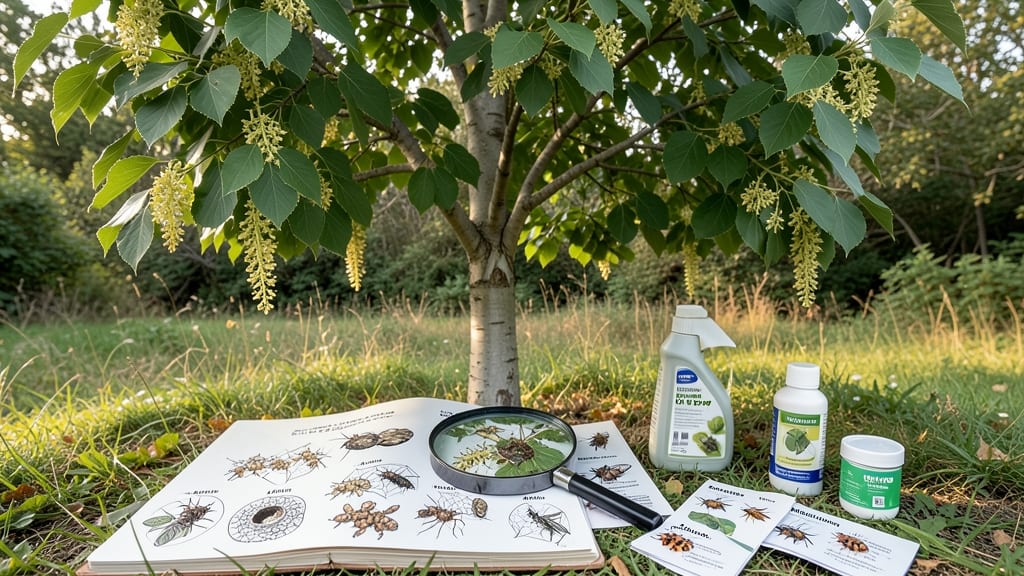
Linden tree pests can turn your majestic shade tree into a skeleton of leaves in weeks if you don't act fast. 🌳 I've battled everything from sticky aphid colonies to wood-boring beetles, and the key is catching infestations early before they spread.
These trees handle stress surprisingly well, but pests exploit their resilience—especially during drought years when natural defenses weaken.
The most common culprits are aphids (tiny green clusters), scale insects (brown bumps on branches), and linden borers (tiny holes in bark). Each leaves distinct clues: aphids cause curled leaves and honeydew drips, while borers trigger sawdust-like frass at the base.
My go-to first defense is a strong spray of water to knock off soft-bodied pests, followed by horticultural oil for stubborn infestations—it works like magic on scale without harming the tree.
By the time you see major damage, the tree's already fighting back with new growth, but prevention is easier than repair. Regular inspections (especially in spring and fall) and keeping the tree healthy with proper watering and pruning cuts off pests' best opportunities.
I've seen severely infested lindens recover completely in just one growing season with consistent care.
Chemical treatments should be your last resort—most natural methods work just as well when applied correctly. The secret is timing: treat when pests are most vulnerable (like aphids in early spring) and always follow up with preventive measures. Your linden will thank you with years of lush, pest-free shade.
Root Causes Of Tree Stress
Linden trees—with their fragrant blooms and lush foliage—are a favorite among homeowners, but they’re not immune to pest invasions. Understanding why these issues arise is the first step in protecting your tree.
Below, we break down the key factors that make linden trees vulnerable to pests, from environmental stressors to biological weaknesses.
Linden trees thrive in well-drained soil and full sunlight, but when conditions shift, their natural pest resistance drops. Here’s how environmental factors play a role:
- Drought or Overwatering: Linden trees need consistent moisture, but too little (drought) or too much (waterlogged soil) stresses the tree, making it easier for pests like linden borers or aphids to attack. Why? Stress triggers the tree to produce less resin—a natural pest repellent—while also weakening bark and foliage, which pests target for feeding or nesting.
- Poor Soil Nutrition: Linden trees prefer slightly acidic, fertile soil. If the soil lacks nitrogen, phosphorus, or micronutrients (like magnesium or zinc), the tree’s immune system weakens. Signs of deficiency: Yellowing leaves (chlorosis), stunted growth, or brittle branches—all of which attract sap-sucking pests like scale insects or spider mites.
- Extreme Temperatures: Linden trees are hardy but struggle in prolonged heatwaves or late spring frosts. Heat stress causes leaf scorch, while frost damage can kill new growth, leaving the tree vulnerable to bark beetles or fungal infestations that follow physical damage.
💡 Pro Tip: Mulch around the base of your linden tree (2–4 inches deep, keeping it away from the trunk) to retain moisture and regulate soil temperature. Test soil pH annually—aim for 6.0–7.0—and amend with compost or a balanced fertilizer (10-10-10) in early spring.
Some pests specifically target linden trees because of their biology. Here’s how these invaders exploit weaknesses:
| Pest | Why They Attack | Tree’s Weakness |
|---|---|---|
| Linden Borers (e.g., Saperda calcarata) | Larvae bore into bark and cambium to feed, killing branches. | Thin or cracked bark (from drought or physical damage) or stressed trees with low resin production. |
| Aphids (e.g., Chaitophorus spp.) | Suck sap from new leaves and stems, causing curling and honeydew. | Soft, tender new growth (common after pruning or late frost damage). |
| Spider Mites (Tetranychus spp.) | Pierce cells to feed, leading to stippling and webbing. | Dry, dusty conditions (low humidity) or trees under drought stress. |
| Scale Insects (e.g., Pulvinaria spp.) | Attach to branches, sucking sap and excreting sticky honeydew. | Weakened bark (from poor pruning or disease) or trees with high sugar content (common in over-fertilized trees). |
🔥 Key Insight: Pests often attack after the tree has already been weakened by another stressor. For example, a linden tree damaged by verticillium wilt (a fungal disease) becomes an easy target for borers because the fungus weakens the vascular system.
How you care for your linden tree can accidentally create pest hotspots. Common mistakes include:
- Over-Pruning: Heavy pruning (especially in late summer or fall) removes protective bark layers and exposes fresh tissue that pests love. Rule of thumb: Prune only in late winter/early spring and never remove more than 25% of the canopy in one season.
- Ignoring Debris: Fallen leaves, twigs, or dead branches near the tree provide hiding spots for pests like linden leaf miners or earwigs. These pests then move to the tree when conditions are right.
- Poor Air Circulation: Dense planting or nearby structures (like fences or walls) trap humidity, creating ideal conditions for fungal pests (like powdery mildew) and their insect allies.
- Using the Wrong Fertilizer: Excess nitrogen (from synthetic fertilizers) promotes soft, sugary growth, which attracts aphids and scale. Solution: Use slow-release, organic fertilizers (like compost or fish emulsion) for balanced nutrition.
✨ Prevention Hack: After pruning, seal cuts with a tree wound paint (like Tanglefoot Tree Wound Pruning Sealer) to prevent fungal/bacterial entry points for pests. For large trees, consult an ISA-certified arborist to ensure proper techniques.
Quick Fixes for Linden Tree Pests
When pests invade your linden tree, acting fast can save its health—and your peace of mind. Below are practical, step-by-step solutions tailored to the most common culprits, from leaf-eating caterpillars to sap-sucking insects.
Each fix is designed to be easy to follow, whether you’re a gardening novice or a seasoned green thumb.
**🔥 Problem: Ragged leaves, defoliation, and visible silk tents or clusters of caterpillars.
🍳 Step 1: Manual Removal (Best for Small Infestations)
- When to do it: Early morning or evening when caterpillars are sluggish.
- How:
- Wear
- Strip leaves with caterpillars into a bucket of soapy water (1 tbsp dish soap per gallon).
- Check for egg masses (small, fuzzy clumps) on branches—scrub them off with a stiff brush or scrape them into soapy water.
👨🍳 Step 2: Natural Sprays (Organic & Effective)
- Bt (Bacillus thuringiensis): A bacteria-based spray safe for humans and pets. Mix as directed and spray evenly on both sides of leaves (especially undersides where caterpillars hide).
- Neem Oil: Disrupts feeding and growth.
Mix 1 tbsp neem oil + 1 tsp mild soap per quart of water, spray every 5–7 days until pests vanish. - Spinosad: A fermentation-derived insecticide (low toxicity). Follow label rates for best results.
⏰ Step 3: Prevent Future Outbreaks
- Prune in late winter/early spring to remove last year’s egg masses.
- Encourage natural predators like birds (install a bird feeder nearby) and parasitic wasps (they lay eggs in caterpillars—gross but effective!).
- Avoid broad-spectrum pesticides—they kill beneficial insects too.
🔥 Problem: Sticky residue ("honeydew") on leaves, yellowing foliage, or tiny webs.
🔪 Step 1: Blast Them Off
- Strong water spray: Use a hose with a nozzle to blast aphids and spider mites from leaves (do this early morning to avoid harming bees).
- For scale insects: Soak a soft cloth in rubbing alcohol (70% isopropyl) and wipe off infested areas.
🌡️ Step 2: Soap & Oil Sprays (Safe & Strong)
- Insecticidal soap: Mix 2.5 tbsp liquid castile soap per gallon of water, spray directly on pests (avoid hot sun—it can burn leaves).
- Horticultural oil: Apply dormant oil in late winter or summer oil spray (follow label for concentration). Best for scale and mites.
- Pro Tip: ✨ Repeat treatments every 7–10 days—pests have short lifespans, and you want to catch new hatchlings.
🎯 Step 3: Long-Term Defense
- Introduce ladybugs (sold at garden centers)—they devour aphids like candy.
- Reflective mulch: Use silver or aluminum mulch around the base to confuse and repel spider mites.
- Beneficial nematodes: Water the soil with microscopic worms** (like Steinernema feltiae) to target root-feeding pests (e.g., vine weevil larvae).
**🔥 Problem: Sawdust-like frass at the base of the tree, D-shaped exit holes, or wilting branches.
🛠️ Step 1: Inspect & Remove Infested Wood
- Look for: Sawdust piles, oozing sap, or weak, dying branches.
- Act fast: Use sterilized pruning shears to cut out and destroy (burn or bag) infested limbs.
- Pro Tip: 💡 Paint fresh cuts with pruning sealant to prevent secondary infections.
🚫 Step 2: Chemical Barriers (For Severe Cases)
- Systemic insecticide (e.g., imidacloprid): Apply soil drench in early spring to kill larvae before they mature.
- Borer traps: Hang pheromone traps in nearby trees to monitor and reduce adult populations.
- ⚠️ Warning: Avoid spraying trunk directly—it can harm the tree’s bark.
🌳 Step 3: Strengthen Tree Resilience
- Water deeply during droughts—stressed trees attract borers.
- Mulch properly: Keep 3–4 inches of mulch (wood chips) 3 feet from the trunk to protect roots and deter pests.
- Encourage bark health: Avoid wounding the trunk (e.g., from lawnmowers or string trimmers).
- 🌱 Healthy trees = pest resistance: Fertilize in early spring with a balanced, slow-release formula.
- 🌧️ Water wisely: Deep watering (1–2 inches per week) keeps trees stress-free.
- 👀 Monitor regularly: Check leaves, bark, and soil every 2–4 weeks during growing season.
- 🛒 Stock up on tools: Keep pruners, soapy water, and neem oil handy for quick responses.
Remember: Most pest problems are manageable with early action—don’t wait until your linden tree looks like a skeleton in leaf form! 🌳💚 Start with manual removal and natural sprays, then escalate only if needed. Your tree will thank you with lush, pest-free foliage** all season long.
Frequently asked questions about linden tree pests
What are the most common signs my linden tree has pests?
Look for sticky honeydew on leaves (aphids or scale), tiny webs (spider mites), chewed leaves (caterpillars), or sawdust-like frass at the base (borers). Yellowing leaves or curled foliage also signal sap-sucking pests. Check both leaf undersides and bark cracks—they're favorite hiding spots.
Can I use the same treatment for all linden tree pests?
No—each pest needs a targeted approach. For soft-bodied pests (aphids, mites), use horticultural oil or insecticidal soap. For borers, prune infested branches and apply systemic insecticide to the soil. Caterpillars respond best to Bt spray or manual removal. Always test treatments on a small area first!
How often should I inspect my linden tree for pests?
Check your tree every 2-4 weeks during growing season (spring-fall), focusing on new growth (pests love tender leaves) and bark crevices. After heavy rains or droughts, increase inspections—stressed trees attract more pests. Early detection saves your tree from major damage!
Are there natural predators that help control linden tree pests?
Ladybugs eat aphids, parasitic wasps target caterpillars, and birds devour many leaf-eaters. Plant neighboring flowers (like marigolds or dill) to attract these helpers. Avoid pesticides—they often kill beneficial insects too!
What's the worst-case scenario if I ignore linden tree pests?
Untreated infestations can kill branches (borers), stunt growth (sap-suckers), or even weaken the entire tree over time. Severe cases may require professional treatment or—worst case—tree removal. The good news? Most pests are manageable with early action and proper care!