
Trees
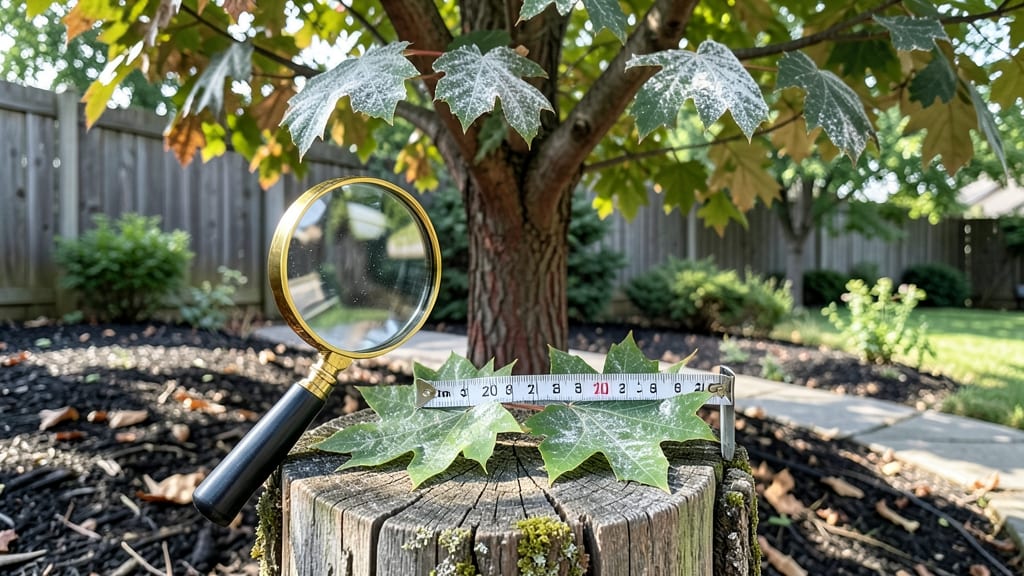
That white, powdery coating on your maple leaves isn’t just unsightly—it’s powdery mildew, and if left unchecked, it can weaken your tree over time. 🌿 I’ve battled this fungal foe on my own maples, and I’ll share the fast-acting organic spray that stops it in its tracks without harsh chemicals.
The telltale signs are easy to spot: white or gray patches on leaves, often starting on the undersides, and leaves that yellow or drop prematurely. This fungus thrives in humid conditions with poor airflow, so overcrowded branches or dense foliage make it worse. The good news?
Maple trees are tough—they rarely die from mildew, but severe cases can stunt growth or make them more vulnerable to other pests. A mix of neem oil, baking soda, and a drop of dish soap (yes, the kind you already have) creates a spray that disrupts the fungus’s life cycle.
Apply it on a dry, calm morning—within a week, you’ll see new growth free of that chalky film. For stubborn cases, repeat every 7–10 days until the leaves clear.
Prevention is simpler than you’d think: prune for airflow, water at the base (not overhead), and avoid fertilizing late in the season. If your tree looks stressed—think wilting, sparse leaves, or multiple years of mildew—it’s time to call an arborist.
Most home gardeners, though, can tackle this with elbow grease and a spray bottle.
Root Causes Of Fungal Foliage Fungus
Powdery mildew on maple trees isn’t just a random annoyance—it’s a fungal infection with specific triggers that create the perfect storm for infestation. Understanding these causes is the first step in preventing and treating the problem effectively.
Let’s break down the science behind why your maple tree becomes a buffet for this pesky fungus.
Maple trees thrive in open spaces, but when their branches grow too densely, they create a humid microclimate trapped within the foliage. Powdery mildew spores love this environment because:
- Reduced airflow: Stagnant air holds moisture longer, giving fungal spores the damp conditions they need to germinate and spread.
- Shade and humidity: Dense canopies block sunlight, slowing leaf drying after morning dew or rain—ideal for spore germination.
- Spores hitchhike: Wind or even gentle breezes carry spores from infected leaves to healthy ones when branches are too close together.
Actionable fix: Prune your maple tree in late winter or early spring (before new growth) to open up the canopy. Aim for a 20-30% reduction in density, focusing on crossing or inward-growing branches. This improves airflow and sunlight penetration, making it harder for spores to take hold.
Powdery mildew spores are dormant until they encounter moisture. While maple trees need water, too much—whether from overwatering, poor drainage, or prolonged humidity—turns leaves into fungal hotspots. Here’s how it happens:
- Overnight dew: Leaves stay wet longer in high-humidity climates (e.g., 75%+ humidity), giving spores 6–12 hours to germinate.
- Frequent light rains: Unlike heavy downpours, light drizzles keep leaves damp without washing spores away.
- Poor drainage: Waterlogged soil stresses the tree, weakening its defenses and making it more susceptible to infection.
- Irrigation timing: Watering late in the day leaves foliage wet overnight, extending the fungus’s window to attack.
Actionable fix:
- Water early in the morning (before 10 AM) to allow leaves to dry by evening.
- Use drip irrigation or soaker hoses to avoid wetting leaves.
- Improve soil drainage with organic matter (compost or mulch) to prevent waterlogging.
- In humid climates, consider a fan (on low speed) near the tree to improve airflow around leaves.
A maple tree under stress is like an open door for powdery mildew. When soil lacks essential nutrients, the tree’s natural fungicidal compounds (like phytonutrients) weaken, making it easier for spores to colonize. Key deficiencies include:
| Nutrient | Why It Matters | Signs of Deficiency |
|---|---|---|
| Nitrogen (N) | Boosts leaf protein and disease resistance. | Yellowing leaves (chlorosis), stunted growth. |
| Phosphorus (P) | Enhances root and cell membrane strength. | Purple or red leaf stems, slow growth. |
| Potassium (K) | Regulates water balance and fungal resistance. | Brown leaf edges, weak stems. |
| Calcium (Ca) | Strengthens cell walls to repel spores. | Blossom-end rot (on fruit-bearing maples), distorted new growth. |
Actionable fix:
- Test your soil (a $20 home kit works) and amend with balanced organic fertilizer (e.g., 10-10-10 NPK ratio).
- Add compost or worm castings to the root zone in spring to improve nutrient availability.
- Avoid excess nitrogen (e.g., lawn clippings), which promotes soft, spore-friendly growth.
Powdery mildew isn’t picky—it just needs the right temperature and humidity to thrive. These conditions create its perfect growing season:
- Temperature range: Spores germinate best between 60–80°F (15–27°C). Cooler nights (<50°F/10°C) slow growth, but warm days speed it up.
- Humidity spikes: Relative humidity above 75% for 6+ hours triggers spore germination. Morning dew or post-rain dampness is a red flag.
- Seasonal peaks: Late spring to early summer is prime time, as new growth is tender and spores are abundant in the air.
Actionable fix:
- Monitor local weather forecasts and apply preventive fungicides before humidity spikes (e.g., after rainy periods).
- Use shade cloth (30–50%) if your maple is in a hot, humid microclimate to reduce leaf stress.
- Plant windbreak shrubs (e.g., boxwood or juniper) to disrupt fungal spore movement without blocking airflow.
Maple trees under environmental stress produce less fungicidal resin in their leaves, making them easier targets. Common stressors include:
- Drought stress: Wilting leaves lose their ability to resist fungal invasion.
- Extreme heat or cold: Sudden temperature swings damage cell membranes, creating entry points for spores.
- Compacted or rocky soil: Roots struggle to absorb water/nutrients, weakening the tree’s immune response.
- Competing plants: Grasses or weeds stealing nutrients leave the maple vulnerable.
Actionable fix:
- Mulch with 3–4 inches of organic mulch (wood chips or straw) to retain moisture and regulate soil temperature.
- Deep-water once a week during dry spells (1–1.5 inches of water per session).
- Avoid soil compaction—walk around the tree or use stepping stones in garden beds.
Quick Fixes for Fungal Foliage Foes
Powdery mildew on maple trees might feel like an uphill battle, but with the right approach, you can restore your tree’s health—without harsh chemicals. The key is addressing the root causes while treating symptoms.
Below, we’ve mapped out practical, organic solutions tailored to common triggers, from overcrowded branches to poor air circulation. Follow these steps to stop the spread, revive your tree, and prevent future outbreaks.
Cause: Dense foliage traps moisture, creating a humid microclimate that powdery mildew loves. Fix:
- Step 1: Trim strategically 🔪🌳 – Use sterilized pruners to remove 1/3 of the thickest branches, focusing on the inner canopy where light struggles to reach.
- Step 2: Thin out leaves (if severe) – Gently shake or pluck heavily infected leaves (wear gloves!) to improve airflow. Dispose of them in the trash not the compost.
- Step 3: Space out pruning ⏰ – Do this in early spring (before buds swell) or late summer (after mildew season peaks).
💡 Pro Tip: Avoid pruning during wet weather—fresh cuts can attract pests. Aim for dry, sunny days for faster healing.
Cause: Overwatering or poor drainage keeps leaves damp, giving mildew a foothold. Fix:
- Step 1: Water at the base 💧🌱 – Soak the soil deeply 1–2 times per week (depending on climate) but avoid wetting foliage. Use a soaker hose or drip irrigation to target roots.
- Step 2: Improve drainage 🏗️ – If your tree sits in a low spot, mound gravel or compost around the base to encourage runoff. For container maples, ensure pots have drainage holes.
- Step 3: Water in the morning ⏰☀️ – Wet leaves dry faster in sunlight, reducing mildew risk. Never water at night.
🌡️ Heat Hack: If your area is humid, mulch with straw or pine needles (2–3 inches deep) to reduce soil moisture evaporation while keeping roots cool.
Cause: Visible white powder on leaves means the fungus is already active. Fix:
- DIY Spray Recipes (Safe for Organic Gardens):
- Baking Soda Solution 🧂✨ Mix 1 tsp baking soda + 1 tbsp vegetable oil + 1 tsp mild soap in 1 gallon of water. Spray both sides of leaves until glistening. Reapply every 7–10 days until mildew clears.
- Neem Oil Blast 🌿🛡️ Combine 1 tbsp neem oil + 1 tsp castile soap in 1 quart of water. Shake well and spray at dusk (avoids burning leaves). Repeat every 2 weeks for 2 months.
- Milk Spray 🥛🤯 Yes, really! Mix 1 part milk (or buttermilk) to 9 parts water and spray directly. The natural proteins disrupt fungal spores. Test on a small branch first.
- Application Tips:
- Spray early morning or late evening to avoid leaf burn.
- Cover the entire tree, including the undersides of leaves (where mildew hides).
- Reapply after rain (fungicides wash off).
⚠️ Warning: Avoid copper-based sprays—they can harm beneficial insects and soil microbes.
Cause: Weak trees (from poor soil or pests) are mildew magnets. Fix:
- Fertilize Right 🌱💪
- Use a balanced organic fertilizer (like fish emulsion or compost tea) in early spring. Avoid high-nitrogen fertilizers—they promote soft, mildew-loving growth.
- Compost Tea Soak 🍄💦
- Brew compost tea (steep compost in water for 24–48 hours, strain) and water your tree with it monthly. This strengthens natural defenses.
- Beneficial Fungi & Bacteria 🍄🛡️
- Apply Trichoderma harzianum (a natural fungus-fighter) or Bacillus subtilis (a soil bacterium) to outcompete mildew spores.
🎯 Prevention Gold Standard:
- Plant companion plants like garlic, chives, or marigolds near your maple—their antifungal properties deter mildew.
- Rake up fallen leaves in autumn to remove overwintering spores.
Cause: Powdery mildew often returns if conditions aren’t changed. Fix: - Monitor & Act Fast 👀🚨 - Check leaves weekly in spring/summer. Catch mildew early—it’s easier to treat than established infections. - Choose Resistant Varieties 🌳🔍 - If replanting, opt for powdery mildew-resistant maples like Norway Maple or Silver Maple (though no variety is 100% immune). - Encourage Natural Predators 🐞🐝 - Ladybugs, lacewings, and predatory mites eat mildew spores.
Plant native flowers to attract them.
Final Reminder: Consistency is key! One treatment won’t cure it—stick with your plan for at least 2 growing seasons to break the mildew cycle. Your maple will thank you with lush, healthy foliage come autumn! 🍁
Frequently asked questions
Can I use regular dish soap to treat powdery mildew on my maple tree?
Yes, but use it sparingly! Mix 1 teaspoon of mild dish soap with 1 quart of water and add 1 tablespoon of vegetable oil for better coverage. This helps the solution stick to leaves. Avoid harsh soaps—they can damage the tree’s natural protective layer. Reapply every 7-10 days during active mildew season.
Will pruning help if my maple already has powdery mildew?
Pruning improves airflow and sunlight penetration, which are critical for recovery. Remove 20-30% of dense branches, especially those with heavy mildew. Focus on the inner canopy where spores thrive. Do this in early spring before new growth starts, and always sterilize your tools to prevent spreading spores.
Is powdery mildew harmful to my maple tree's long-term health?
While rarely fatal, severe or repeated infections can weaken your maple over time. Chronic mildew may cause stunted growth, reduced vigor, and increased susceptibility to pests. The good news? Maple trees are resilient—with proper care (like organic sprays and pruning), they can recover fully. Monitor for leaf drop or yellowing, which may signal deeper stress.
How often should I apply organic fungicides like neem oil?
For active infections, spray every 2 weeks for 2 months to break the mildew cycle. For prevention (especially in humid climates), apply every 4-6 weeks during growing season. Always spray early morning or late evening to avoid leaf burn, and reapply after heavy rain. Consistency is key—don’t skip applications during humid spells!
Can I save my maple tree if it's already lost most of its leaves?
Yes, but act fast! Start with a deep soil check—if roots are healthy, the tree can regrow. Apply a high-potassium fertilizer (like compost tea) to boost recovery, and use neem oil spray to protect new growth. Prune dead branches only—avoid heavy pruning until new leaves appear. With proper care, many maples rebound within 1-2 growing seasons.