
Blooming
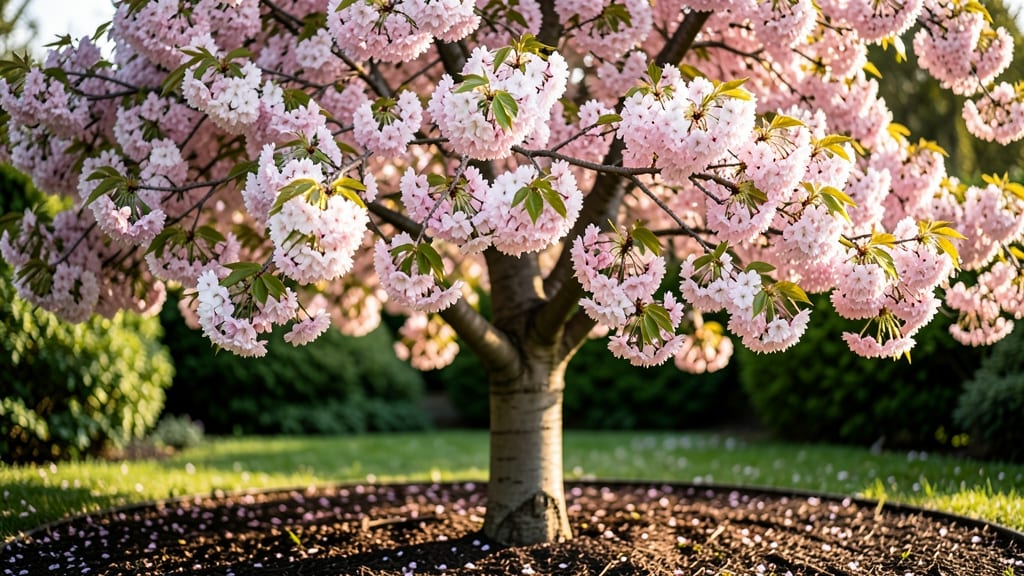
When the cherry tree blossom time arrives, your yard transforms into a pink cloud canopy that steals the show. 🌸 I still remember the first time I saw my neighbor’s tree explode with petals—it felt like spring had arrived overnight.
The timing varies wildly, but most ornamental cherry trees bloom between late March and mid-April in the South, while Northern varieties wait until May for their big moment.
Climate plays the biggest role—warmer winters can trick trees into blooming earlier, while late frosts might delay or damage flowers. Japanese varieties like the Yoshino cherry often bloom first, followed by weeping cherries and tart cherries.
The good news? Once you know your tree’s type, you can predict its 7-10 day bloom window with surprising accuracy.
This fleeting spectacle deserves prep: clear dead branches, stake any weak limbs, and water deeply before blooms appear. After the petals fall, shift focus to fruit care (if growing edible cherries) or pruning to shape next year’s display.
The trade-off? A few weeks later, you’ll get those juicy summer rewards—or just more stunning foliage.
Pro tip: Set a calendar reminder for your tree’s typical bloom time—it’s the easiest way to never miss the show. And if you’re near Washington, DC? Plan your trip around the National Cherry Blossom Festival in April, where thousands of trees create a sea of pink that’s pure magic.
📚 In This Guide
- What you need
- Instructions
- Tips and common mistakes
- Wrapping up and next steps
What you need
- ● Camera or smartphone: A DSLR (with a wide-angle or macro lens for close-ups) or a high-quality smartphone with a 4K video and HDR mode.
- ● Tripod: Lightweight (under 5 lbs) for stability during golden-hour shots.
- ○ Polarizing filter: Optional but highly recommended to reduce glare and enhance colors.
- ● Portable charger/power bank: 20,000mAh or higher for long photo sessions.
- ● Comfortable shoes: Closed-toe, waterproof hiking shoes (blossom season can be muddy!).
- ● Cherry tree saplings: 2-3 bare-root or potted trees (choose Prunus serrulata or Prunus avium for classic blossoms).
- ● Shovel & trowel: Heavy-duty garden shovel and a hand trowel for precision.
- ● Well-draining soil mix: 50% native soil, 30% compost, 20% perlite (avoid clay-heavy soil).
- ● Organic fertilizer: Balanced 10-10-10 NPK or fish emulsion for young trees.
- ● Mulch: 3-4 inches of wood chips or straw to retain moisture.
- ○ Drip irrigation kit (optional): Low-volume system for consistent watering.
- ● Picnic blanket & snacks: For a blossom-viewing picnic under the pink canopy!
- ● Sketchbook & watercolors: If you’re inspired to capture the moment artistically.
- ● Drone (for aerial shots): FAA-compliant (under 55 lbs) with a 4K camera.
- ● Blossom-viewing guidebook: Local parks often provide timed blooming forecasts—check ahead!
How to time and care for cherry tree blossoms
Timing is everything when it comes to enjoying that breathtaking pink canopy.
🌸 Step 1: Identify Your Cherry Tree Variety and Climate Zone
Cherry trees bloom based on chill hours (cold winter exposure) and spring warmth. Sweet cherries typically need 500-1,000 chill hours and bloom in late March to early May, while tart cherries bloom 1-2 weeks earlier. Check your USDA zone—trees in Zone 5 may bloom 2 weeks later than those in Zone 7 due to slower spring warming.
Here's the thing—late frosts after buds form can devastate blossoms. I always monitor the National Weather Service frost forecasts starting in February. If your tree is in a frost-prone area, consider planting a late-blooming variety like 'Stella' or 'Montmorency'.
☀️ Step 2: Monitor Bud Swelling and Bloom Timing
Watch for bud swell—when buds appear plump and greenish, about 4-6 weeks before bloom. This is your first cue that blossoms are imminent. I like to take weekly photos to track progress, especially if I'm planning a spring celebration around the blooms.
Once buds turn pink, count 7-10 days until peak bloom. Tart cherries often open 2-3 days earlier than sweet varieties. Don't be fooled by early warmth—cherry trees need consistent 50°F+ temperatures for 5-7 days to trigger full opening.
💧 Step 3: Maintain Proper Watering During Bloom Season
Cherry trees need deep watering every 7-10 days during bloom, but avoid soaking the roots. I use a soaker hose to deliver 1-1.5 inches of water per week, focusing on the drip line (the outer edge of the canopy). Wet blossoms can attract bacterial infections, so water in the early morning to allow foliage to dry by evening.
Real talk: Overwatering now leads to blossom blast (a fungal disease that causes buds to drop). You'll notice healthy blossoms staying firm and upright, while infected ones appear soft and discolored. If you see this, prune affected branches immediately and apply copper fungicide as a preventative.
✂️ Step 4: Prune Strategically After Bloom Fades
Once blossoms drop (about 3-4 weeks post-bloom), it's time to prune. Remove dead, crossing, or weak branches first—these compete with fruit production. I aim to open the canopy to sunlight and airflow, which prevents future diseases. Use clean, sharp pruners and make cuts just outside the branch collar (the swollen area where branches meet the trunk).
This is the moment that matters: Never prune in fall or winter—it stimulates new growth that won't harden off before frost. If your tree has suckers (shoots growing from the base), remove them completely—they drain energy from fruit production.
🌿 Step 5: Fertilize for Next Year's Blooms
After bloom, apply a balanced 10-10-10 fertilizer (using the 1 pound per inch of trunk diameter rule). For example, a 4-inch diameter trunk gets 4 pounds spread over the root zone. I always water deeply 24 hours before and after to prevent root burn.
For established trees, organic options like composted manure or worm castings work well too. The goal is to build root reserves for next spring's blossoms. Avoid high-nitrogen fertilizers—they promote leafy growth at the expense of flowers.
Tips & tricks for perfect cherry tree blossom timing
To ensure your cherry tree delivers that dreamy pink canopy year after year, here are the key insights that'll make all the difference.
Climate Zone Precision: The 500-1,000 chill hours range is your starting point, but local microclimates matter more than USDA zones alone. I've seen trees in Zone 6 bloom 10 days earlier on south-facing slopes compared to north-facing locations. Use a backyard weather station to track your specific chill hours—some years may fall short, and you might need to adjust expectations or protect blossoms accordingly.
Bloom Forecasting System: Create a simple tracking chart starting in February. Mark the date when buds first swell (4-6 weeks before bloom) and when they turn pink (7-10 days before peak). This visual timeline becomes your early warning system for frost risks. I color-code my chart: green for safe bloom windows and red for frost-prone periods—it's become my most reliable tool for planning spring events around the tree.
Watering Strategy: The 1-1.5 inches per week guideline works, but timing matters just as much as quantity. I water my tree between 6-9 AM when temperatures are still cool, using a soaker hose placed at the drip line. This prevents fungal spores from splashing onto blossoms during humid afternoons. Pro tip: Add a rain gauge near your tree—spring showers often mean you can skip a scheduled watering.
Pruning Timing: That 3-4 week post-bloom window is your only chance to prune without risking winter damage. I always schedule my pruning for late May when new leaves have fully hardened off. This timing also gives you time to spot any suckers or diseased branches before they become major issues. Never rush—wait until you can see fresh growth on remaining branches before making your cuts.
Pro Tips for Cherry Tree Blossom Time
- To ensure your cherry tree delivers that dreamy pink canopy year after year, here are the key insights that'll make all the difference.
- Climate Zone Precision: The 500-1,000 chill hours range is your starting point, but local microclimates matter more than USDA zones alone.
- Bloom Forecasting System: Create a simple tracking chart starting in February.
Frequently asked questions
Got questions about cherry blossom season?
You’re not alone! Here are answers to the most common queries about when, where, and how to enjoy these iconic pink canopies—plus a few pro tips to make the most of your visit.
When is cherry blossom season, and how long does it last?
Cherry blossom season typically peaks in late March to mid-April, but timing varies by region. In the U.S., Washington D.C.’s Tidal Basin blooms around late March–early April, while California’s trees (like those in Sacramento) may blossom as early as February. Expect 1–2 weeks of full bloom—plan ahead!
Where are the best places to see cherry blossoms in the U.S.?
The most famous spots include:
- Washington D.C.’s Tidal Basin (4,000+ trees, iconic against monuments)
- Brooklyn Bridge Park, NYC (stunning skyline views)
- Cherry Blossom Festival, Macon, GA (Southern charm + 300+ trees)
- Bellingham, WA (one of the earliest blooms, late Feb–March)
- Local parks—check your city’s municipal websites for hidden gems!
Pro tip: Use the National Park Service’s bloom tracker for real-time updates!
What’s the best time of day to photograph cherry blossoms?
For soft, dreamy shots, visit early morning (sunrise) or late afternoon (golden hour)—when light is warm and crowds are thinner. Avoid midday sun, which can wash out colors. Bonus: Weekdays are quieter than weekends!
What should I do if it rains during blossom season?
Rain can shorten bloom duration, but don’t let it ruin your plans! Pack a compact umbrella and waterproof shoes. Many festivals (like D.C.’s) offer indoor events or adjusted schedules. Silver lining: Rain makes petals fall gently—great for macramé or pressed flower art!
Can I plant my own cherry blossom tree? Which varieties are best?
Prunus serrulata (Japanese cherry) and Prunus avium (autumn-blooming) are popular. For cold climates, try ‘Kwanzan’ (pink, double blooms) or ‘Autumnalis’ (re-blooms in fall). Tip: Plant in full sun and well-draining soil—cherry trees thrive with 6+ hours of sunlight daily.
Are there food or cultural events tied to cherry blossom season?
Yes! Many cities host festivals with:
- Hanami picnics (Japanese tradition of flower-viewing feasts)
- Kite festivals (D.C. and NYC)
- Art markets (selling blossom-themed crafts)
- Matcha tastings and ramen trucks (common in urban parks)
Check local listings for limited-edition treats like sakura-flavored lattes or blossom-shaped pastries!
Wrapping up and next steps
Cherry tree blossom time isn’t just a fleeting moment—it’s a celebration of nature’s artistry at its finest! 🌸 From understanding the perfect planting conditions to troubleshooting common questions, you now have the tools to embrace this magical season with confidence.
Whether you’re a gardener, a photographer, or simply a lover of spring’s beauty, take this time to connect with the outdoors and create memories under that dreamy pink canopy.
Ready to dive deeper? Plan a visit to a local cherry blossom festival, sketch your own tree’s blooms, or even start a blossom journal. Every petal tells a story—yours is just waiting to unfold! 🌿