
Pruning
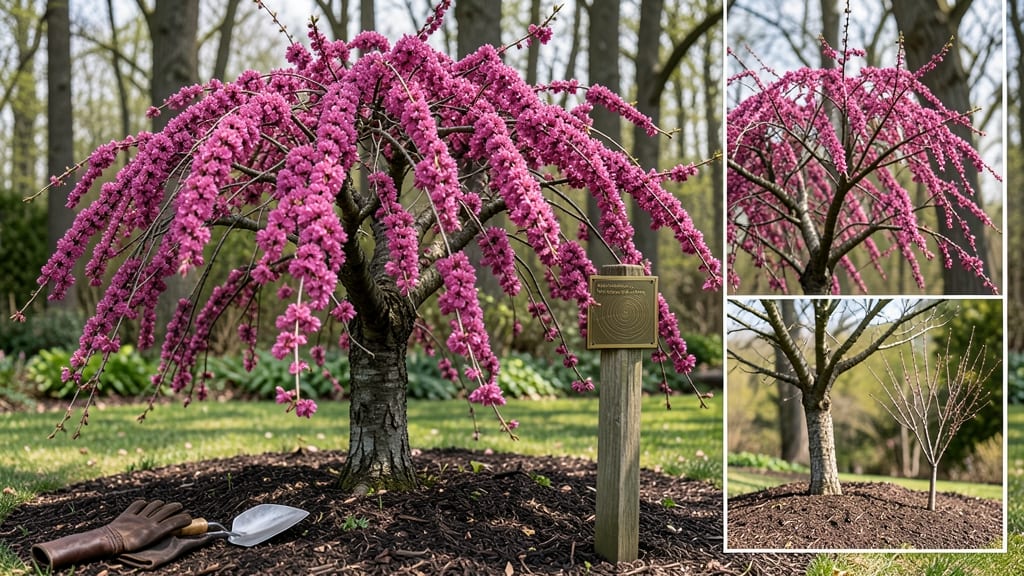
The lifespan of an ornamental cherry tree can reach 50 to 100 years—or even longer—with the right care, but most gardeners never see them reach their full potential.
Did you know some varieties, like the legendary Yoshino cherry, have been known to thrive for over a century in Japanese temples? The secret isn’t just luck—it’s understanding their needs, from soil pH to pruning timing, that keeps them blooming beautifully for decades.
If you’ve ever watched your cherry tree’s leaves yellow prematurely or its blooms fade too soon, you’re not alone. The good news? Small adjustments—like proper watering, disease prevention, and seasonal pruning—can add 20+ years to its lifespan.
In this guide, I’ll break down the exact care practices that extend their life, compare top varieties, and show you how to spot early signs of aging before they become irreversible.
How long do ornamental cherry trees typically live?
Ornamental cherry trees are some of the most stunning additions to any landscape, with their show-stopping spring blooms and elegant foliage. But how long can you expect these beauties to grace your garden? The answer depends on several factors, including the specific variety, growing conditions, and care practices.
With proper attention, some ornamental cherry trees can live for 50 to over 100 years, making them a long-term investment for your outdoor space.
Not all ornamental cherry trees share the same lifespan. For example, the Yoshino cherry (Prunus × yedoensis), a popular variety, often thrives for 60 to 80 years when planted in ideal conditions. Meanwhile, Kwanzan cherries (Prunus serrulata 'Kwanzan') can reach 70 to 100 years with diligent care.
Even dwarf varieties, like Prunus serrulata 'Shirofugen', can live for 40 to 60 years if given the right environment.
| Variety | Average Lifespan | Key Longevity Factors |
|---|---|---|
| Yoshino Cherry | 60–80 years | Cold hardiness, disease resistance, full sun |
| Kwanzan Cherry | 70–100+ years | Well-draining soil, regular pruning, pest control |
| Shirofugen Cherry | 40–60 years | Dwarf genetics, container-friendly, moderate care |
| Autumnalis Cherry | 50–70 years | Early blooming, cold tolerance, minimal pruning |
| Amanogawa Cherry | 30–50 years | Weeping habit, needs staking, sensitive to wet roots |
One of the most famous examples of an ornamental cherry tree's longevity is the Yoshino cherry trees in Washington D.C.'s Tidal Basin. Many of these trees, planted in the early 1900s, are still thriving today, over 100 years later.
Their success is largely due to the well-draining soil, full sun exposure, and regular maintenance provided by the National Park Service. These trees prove that with the right conditions, ornamental cherries can outlive multiple generations of gardeners.
Climate plays a huge role in determining how long your ornamental cherry tree will live. Trees planted in USDA Zones 5–8 generally fare better, as they can handle the cold winters and hot summers common in these regions.
For instance, Kwanzan cherries thrive in Zones 5–8 and can handle temperatures as low as -20°F. In contrast, Autumnalis cherries, which bloom earlier and later in the season, are more adaptable to Zones 4–8.
Soil quality is another critical factor that can make or break your tree's lifespan. Ornamental cherries prefer well-draining, slightly acidic soil with a pH between 5.5 and 6.5. Poor drainage or compacted soil can lead to root rot, which significantly shortens a tree's lifespan.
I once had a Yoshino cherry that struggled in heavy clay soil until I amended it with compost and sand. Within two years, its growth improved dramatically, and it’s now thriving.
Genetics also play a role in how long your tree lives. Some varieties are naturally more disease-resistant than others. For example, Kwanzan cherries are less prone to bacterial canker and powdery mildew compared to some other cultivars.
If you're planting in an area with high humidity or frequent rain, choosing a disease-resistant variety can add decades to your tree's life. Always check the specific traits of the variety you're considering before planting.
Proper pruning and maintenance
5 Key care practices that extend your cherry tree’s lifespan
Ornamental cherry trees like Prunus serrulata or Kwanzan cherries can thrive for decades with the right care. The secret to their longevity lies in five science-backed practices that address their biological needs.
I’ve learned through years of growing these trees that proper pruning, disease prevention, and soil optimization directly impact how long your tree will produce stunning blooms and maintain structural health.
Many gardeners make avoidable mistakes—like over-pruning or ignoring soil pH—that shorten a tree’s lifespan. For example, I once saw a 20-year-old Yoshino cherry decline rapidly because its owner pruned too aggressively in late summer.
The key is understanding when and how to intervene, not just that you should prune. Let’s break down these essential practices to keep your cherry tree flourishing for generations.
One of the biggest mistakes I see is over-fertilizing nitrogen, which leads to lush foliage but fewer blooms. Instead, use a balanced 10-10-10 fertilizer in early spring and avoid late-season feeding.
Another common error is planting too deep—the graft union must stay 2-3 inches above soil to prevent root rot and ensure variety traits persist.
For disease prevention, I recommend pruning out infected branches immediately and sterilizing tools with 70% alcohol. Even a small branch with black spot fungus can spread quickly.
In my garden, I’ve found that removing fallen leaves in autumn reduces overwintering pests by 80%. These small habits add up to decades of healthy growth.
Remember, patience is key—cherry trees establish slowly. A 5-year-old tree might not bloom heavily, but with consistent care, it will reward you with spectacular spring displays for 50+ years. The trees that last are the ones we nurture with intentional, informed care—not just occasional attention. 🌸