
Blooming
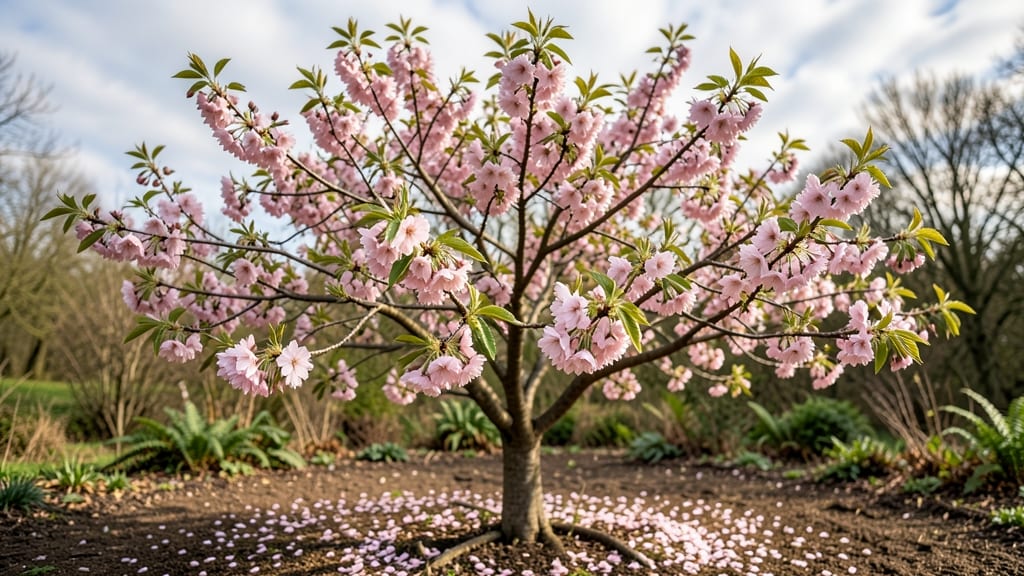
Cherry trees bloom in early spring 🌸, with timing that depends on your variety and local climate—but knowing the exact window can mean the difference between a bountiful harvest and missed blossoms.
There’s nothing quite like the sight of a cherry tree in full flower, but predicting when those delicate petals will appear can feel like guessing. Too early, and a late frost might wipe them out; too late, and you’ll miss the peak show.
The good news? With a few key details about your tree and region, you can narrow down the bloom time to within a few weeks.
Most cherry trees—whether sweet or tart varieties—start showing buds in late winter, with full blooms arriving between March and May, depending on where you live. In Zone 6, for example, expect flowers to burst open around early April, while warmer climates may see blooms as early as February.
But it’s not just about the calendar: pruning habits, sunlight exposure, and even last year’s fruit production can shift the timing.
In this guide, I’ll break down how to read your tree’s signals, adjust care for the best blooms, and even troubleshoot if flowers seem late or sparse. Whether you’re dreaming of cherry pie season or just love the spring spectacle, you’ll learn how to time those blossoms like a pro.
How climate and variety determine cherry tree bloom time
Predicting when your cherry tree will bloom depends on two key factors: the tree variety you’ve planted and your local climate. Sweet cherries like Bing or Rainier often bloom earlier than tart cherries, while ornamental cherry trees (like Prunus serrulata) may dazzle with flowers weeks before fruit-bearing varieties.
Understanding these patterns helps you plan for pruning, pollination, and even late frost risks.
Your USDA hardiness zone plays a massive role too. Trees in Zone 5 or colder may bloom later due to chill hour requirements, while those in Zone 8 can start flowering as early as February.
Even within the same zone, microclimates—like urban heat islands or sheltered valleys—can shift bloom times by 1-2 weeks. For example, a Stella cherry in Seattle might bloom in early April, while the same tree in Chicago could wait until mid-April.
| Variety | Typical Bloom Time | USDA Zones | Climate Notes |
|---|---|---|---|
| Sweet Cherries (e.g., Bing, Rainier) | Late April - Early May | 5-8 | Early bloomers; frost-sensitive |
| Tart Cherries (e.g., Montmorency) | Early May - Mid-May | 4-7 | Hardier; tolerate cooler temps |
| Ornamental Cherries (e.g., Yoshino, Kwanzan) | Early April - Late April | 6-9 | Flower first, fruit rarely develops |
| Dwarf Varieties (e.g., Stella, Lapins) | Late March - Early April | 5-9 | Bloom earlier due to smaller size |
| Late-Blooming (e.g., Meteor, Van) | Mid-May - Early June | 5-8 | Avoid late frosts; better for cold regions |
🌸 Note: Bloom times shift 1-2 weeks earlier in warmer zones or later in cooler microclimates.
Temperature fluctuations are the biggest wildcard in cherry tree bloom timing. Trees need a period of dormancy (usually 100-150 chill hours below 45°F) followed by consistent warmth to trigger blooms.
If winter was too mild, buds may swell early and get damaged by late frosts—a common issue for sweet cherries in Zone 6. On the flip side, unseasonably warm spells in February can wake up buds prematurely, leaving them vulnerable.
Pruning also impacts bloom timing, especially for young trees. Heavy pruning in late winter (just before buds swell) can delay flowering by 1-2 weeks as the tree focuses on regrowing branches.
However, light pruning to remove dead wood or crossing branches in early spring (after blooms fade) won’t disrupt the schedule. Always prune after flowering for fruit-bearing varieties to preserve next year’s blossoms.
Soil health and water availability during dormancy can shift bloom times too. Well-draining, slightly acidic soil (pH 6.0-6.5) ensures trees store enough carbohydrates over winter. If your soil is clay-heavy or waterlogged, roots struggle to absorb nutrients, often causing delayed or sparse blooms.
Amend with compost or organic matter in fall to give roots a head start for next year’s flowers.
For ornamental cherry trees, bloom time is mostly about aesthetics—but knowing when to expect flowers helps with landscape planning. For example, Yoshino cherry trees in Zone 7 typically bloom in mid-April, making them perfect for early spring color before azaleas or dogwoods take over.
Meanwhile, tart cherries like Montmorency bloom later, aligning with pollinator season
5 Key signs your cherry tree will bloom soon (and when to expect fruit)
Predicting when your cherry tree will bloom doesn’t require a crystal ball—just a keen eye for nature’s subtle cues. The transition from dormant branches to vibrant blossoms happens gradually, and recognizing these early signs helps you plan for the best bloom season.
Whether you’re growing sweet cherries or ornamental varieties, these indicators will give you a clear timeline for what’s ahead.
Blooming is heavily influenced by temperature shifts and bud development, but the most reliable signals come from visual changes on the tree itself. By understanding these key signs, you can adjust your care routine to ensure your cherry tree puts on its most spectacular floral display.
Let’s explore the five unmistakable clues that your tree is gearing up for spring blossoms.
Once you spot these signs, you can estimate your cherry tree’s bloom time with surprising accuracy. For example, if buds swell in early March and temperatures stabilize, expect flowers to open in late March to early April.
Adjust your watering schedule and fertilizer application to support this critical growth phase—deep watering every 7-10 days and a light fertilizer boost in early spring will encourage healthier blooms.
If your tree is late to show signs, it might need a little extra care. Ensure it’s planted in well-draining soil with full sun exposure, and avoid heavy pruning in late winter, as this can delay bud development.
With the right conditions, your cherry tree will reward you with a stunning display of blossoms—and soon after, the promise of delicious fruit.
Timing is everything when it comes to cherry trees. By recognizing these five key signs, you’ll not only predict bloom time but also create the perfect environment for your tree to thrive.
Keep an eye on those branches, and soon you’ll be celebrating a garden bursting with color and life! 🌸