
Pruning
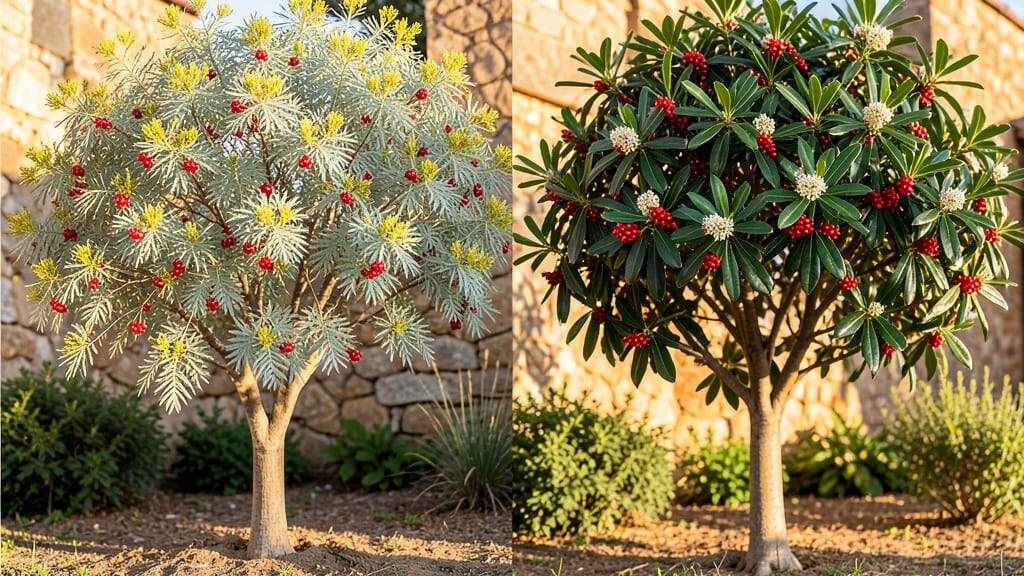
Deciding between a California pepper tree and a Brazilian pepper tree means choosing between two very different characters in your yard. 🌳 The California pepper tree (Schinus molle) is the steady, sun-loving workhorse that thrives in dry climates and grows into a graceful, rounded shape—perfect for Mediterranean-style gardens.
Meanwhile, the Brazilian pepper tree (Schinus terebinthifolius) is the bold, fast-growing showstopper that loves heat and humidity, often becoming a dense, multi-trunked specimen that can outcompete weeds and pests.
Pruning needs couldn’t be more different: the California pepper tree responds best to light shaping in late winter, while the Brazilian pepper tree demands aggressive pruning in early spring to control its aggressive growth.
One thrives in well-drained soil with minimal fuss, while the other can handle sandy or even slightly acidic soils—though both hate soggy roots.
If you’re in Southern California or the Southwest, the California pepper tree is the safe bet; if you’re in Florida or the Deep South, the Brazilian pepper tree will reward you with year-round greenery.
Here’s the kicker: the Brazilian pepper tree is invasive in many states, so check local regulations before planting. The California pepper tree, on the other hand, is drought-tolerant and pest-resistant, making it the low-maintenance champion.
Both produce striking red berries in fall, but the Brazilian’s berries are smaller and more abundant—while the California’s are larger and slower to appear. Choose based on your climate, space, and whether you want a tree that’s easygoing or one that needs regular attention.
For shape control, the California pepper tree lets you prune for a natural, open look, while the Brazilian pepper tree needs heavy pruning to prevent a wild, unruly form.
If you’re after a tree that’s both beautiful and hassle-free, the California pepper tree wins—but if you want a dramatic, fast-growing focal point and don’t mind the upkeep, the Brazilian pepper tree delivers. Either way, you’ll end up with a tree that brings color and texture to your landscape.
The first product explained
Meet the California Pepper Tree (Schinus molle) – the sun-loving, drought-tolerant superstar of your landscape! 🌞✨ Known for its glossy, compound leaves and clusters of bright red berries, this tree is a favorite for its adaptability, low-maintenance nature, and stunning visual appeal. Whether you're a homeowner looking to add curb appeal or a landscaper seeking a resilient option, this tree delivers.
📏 Key Specs & Features
- Height: 20–30 feet (can reach 40+ feet in ideal conditions)
- Spread: 15–25 feet (spreading canopy for shade and beauty)
- Growth Rate: Moderate (1–2 feet per year)
- Sunlight Needs: Full sun (6+ hours daily)
- Soil Type: Well-draining, adaptable to clay, sand, or loam
- Drought Tolerance: High (once established)
- Hardiness Zones: 8–11 (perfect for California and beyond!)
- Lifespan: 50+ years with proper care
🎯 Who’s It For?
This tree is a versatile choice for:
- Homeowners: Adds year-round interest with vibrant foliage and berries.
- Landscapers: Ideal for urban or drought-prone areas due to its resilience.
- Wildlife Enthusiasts: Berries attract birds and small animals.
- Low-Maintenance Gardeners: Thrives with minimal watering once rooted.
💰 Price Point & Value
The California Pepper Tree typically ranges from $75–$250+ depending on size and supplier. While the upfront cost may vary, its long-term benefits—like water efficiency, shade, and aesthetic appeal—make it a high-value investment. Smaller saplings (3–5 feet) are budget-friendly, while larger, established trees (10+ feet) offer instant impact.
Pro Tip: 🌱 Plant in early spring or fall to give roots time to establish before extreme temperatures. Mulch around the base to retain moisture and deter weeds!
The second product explained
The Brazilian Pepper Tree (Schinus terebinthifolius) is a fast-growing, evergreen shrub or small tree that’s known for its striking red berries and dense, glossy foliage.
While it’s often considered an invasive species in many parts of the U.S., it’s a popular choice for landscaping in warmer climates—including parts of California—thanks to its hardiness and vibrant appearance. 🌿✨
Key Specs & Features
- Growth Habit: Can grow into a multi-trunked tree (up to 30–40 feet tall) or a large shrub if pruned regularly. Its aggressive root system and dense branching make it a powerhouse in shaping landscapes—but also a challenge to control.
- Foliage: Dark green, compound leaves with a leathery texture. Turns a fiery red or purple in cooler months, adding seasonal interest.
- Berries: Bright red, pea-sized fruits that persist through winter (and can stain sidewalks if not managed). These are not edible for humans but attract wildlife.
- Climate Tolerance: Thrives in USDA Zones 9–11, handling heat, drought, and poor soil conditions once established. Not frost-tolerant below 20°F.
- Pruning Needs:
- Requires regular pruning to control size and shape, especially in urban areas where its spread can become problematic.
- Responds well to structured pruning (e.g., espalier, topiary) but can "bleed" sap if cut in late winter/early spring.
- Best pruned in late spring or early summer to encourage bushier growth and reduce berry production.
Target Users
The Brazilian Pepper Tree is ideal for:
- Homeowners in warm, coastal, or desert climates (e.g., Southern California, Arizona, Florida) who want a low-maintenance, drought-resistant plant with year-round color.
- Landscapers and gardeners looking to create privacy screens, hedges, or focal points with bold foliage and berries.
- Those interested in native alternatives (in its native Brazil/Argentina) or invasive species management (if using it as a controlled ornamental).
- Caution: Avoid planting in areas where it’s considered invasive (e.g., Florida, Hawaii, or parts of Texas). Check local regulations!
Price Point & Availability
Pricing varies by size and supplier, but here’s a general range:
| Size/Stage | Price Range (USD) | Notes |
|---|---|---|
| 1–3 gallon nursery pots | $20–$50 | Great for small landscapes or container growing. |
| 5–15 gallon (mature shrubs) | $50–$150 | Ready for immediate landscaping impact. |
| Large trees (10+ feet) | $150–$400+ | Often sold as "specimen" plants; may require professional planting. |
Pro Tip: 💡 Buy from reputable nurseries to avoid supporting the spread of invasive populations. Look for tags indicating it’s been grown in containers (not wild-collected).
Head-to-head comparison
Ready to dive into the nitty-gritty? Let’s compare the California pepper tree and the Brazilian pepper tree side by side to help you decide which one aligns better with your pruning goals, landscape vision, and maintenance style.
Whether you're aiming for a structured hedge, a natural, wild look, or something in between, this breakdown will guide you! 🌿✂️
🌱 Growth Habits & Natural Shape
The most obvious difference between these two trees lies in their inherent growth patterns, which directly impact how you’ll approach pruning.
| Feature | California Pepper Tree | Brazilian Pepper Tree |
|---|---|---|
| Native Growth Form | Upright, vase-shaped, or slightly rounded with a natural tiered look. Grows 20–40 feet tall with a spread of 15–30 feet. | More irregular and sprawling, often multi-trunked with a wild, bushy appearance. Can reach 25–40 feet tall but spreads wider (up to 35 feet). |
| Branch Density | Moderately dense with evenly spaced branches, making it easier to shape into formal hedges or topiaries. | Very dense and thicket-forming, with branches that grow in all directions. Pruning is often needed to control overgrowth. |
| Foliage Texture | Fine, feathery, and delicate with a soft, airy look. Leaves are compound and light green. | Coarser, leathery leaves with a darker green hue. More tropical in appearance. |
| Pruning Challenge | Easier to maintain a structured shape due to its natural symmetry. Requires regular trimming to encourage bushiness. | Demands aggressive pruning to control its sprawling habit. Can become overgrown quickly if neglected. |
Pro Tip: 💡 If you love a neat, manicured look, the California pepper tree is your best bet. For a wild, natural vibe, the Brazilian pepper tree’s untamed growth might be more your style!
🌿 Pruning Requirements & Techniques
Pruning needs vary dramatically between these two trees. Your choice should depend on how much time and effort you’re willing to invest in maintenance.
| Aspect | California Pepper Tree | Brazilian Pepper Tree |
|---|---|---|
| Best Time to Prune | Late winter or early spring (before new growth). Can also be pruned lightly in summer to shape. | Late winter or early spring (before bud break). Heavy pruning is best done in dormant seasons to avoid stressing the tree. |
| Frequency | Moderate: 2–3 times per year for shaping. Light trimming can be done more often. | High: 3–4 times per year (or more) to control growth. Neglect leads to dense, unmanageable thickets. |
| Pruning Style |
|
|
| Tools Needed | Hand pruners, loppers, and hedge shears for detailed work. | Loppers, pruning saws, and sometimes pole pruners for high branches. |
| Post-Pruning Care | Apply pruning sealant to larger cuts (optional). Water well after heavy pruning. | Fertilize lightly after pruning to stimulate new growth. Monitor for pests or disease due to stress. |
Pro Tip: ✨ For the California pepper tree, focus on shaping and thinning to keep it looking polished. For the Brazilian pepper tree, don’t be afraid to get aggressive—it thrives on bold pruning!
💰 Maintenance Costs & Long-Term Upkeep
Your wallet will thank you for knowing the long-term costs associated with each tree. From tools to professional help, here’s what to expect.
| Cost Factor | California Pepper Tree | Brazilian Pepper Tree |
|---|---|---|
| Initial Planting Cost | $30–$80 per tree (smaller sizes). Larger specimens can cost $100–$200. | $40–$100 per tree. More expensive if you want a mature, established specimen. |
| Pruning Tools | $50–$150 for basic tools (pruners, loppers, shears). | $100–$250+ for heavy-duty tools (saws, pole pruners, safety gear). |
| Professional Pruning Cost | $100–$300 per session (small to medium trees). | $200–$500+ per session (due to labor-intensive pruning). |
| Fertilizer & Soil Amendments | Moderate: $20–$50 per year for balanced fertilizer. | High: $50–$100+ per year for phosphorus-rich fertilizer to
Which one should you choose?So, which pepper tree reigns supreme for your needs? The answer depends on your goals, climate, and maintenance preferences. Here’s a clear verdict to help you decide: 🌳 Choose the California Pepper Tree if...
🌿 Choose the Brazilian Pepper Tree if...
⚠️ Important Considerations for BothBefore planting, always check local regulations—especially for the Brazilian pepper tree, which is invasive in many regions. Pruning is non-negotiable for both: the California pepper tree needs shaping to avoid leggy growth, while the Brazilian pepper tree can become a woody monster if left unchecked. 💡 Pro Tip: If you’re unsure, start with a smaller specimen of either tree to test its growth habits in your yard before committing to a full-sized tree! |