
Trees
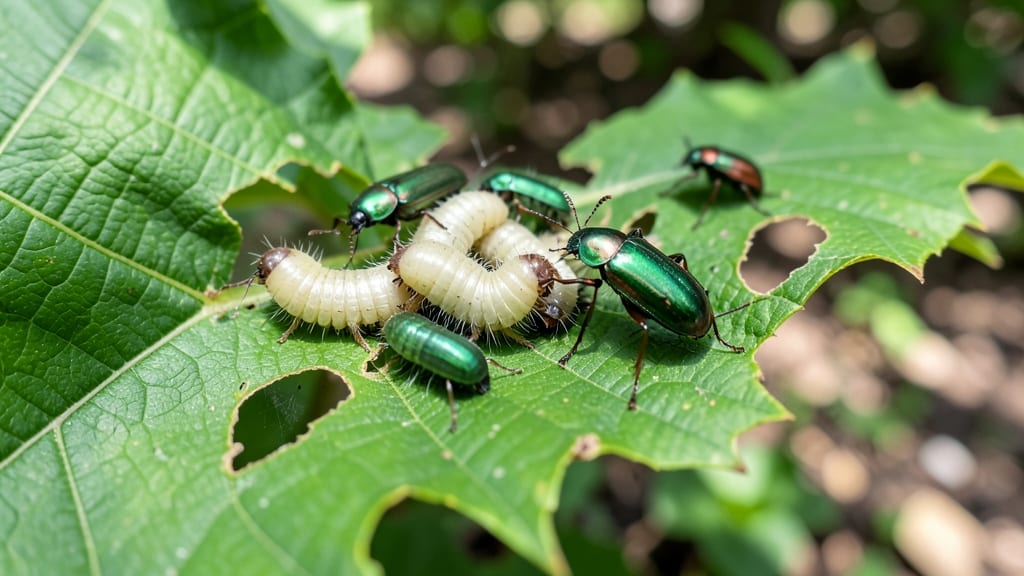
Bugs eating tree leaves can strip your yard of beauty in weeks—unless you act fast. 🌿 After watching my oak’s canopy turn skeleton-like overnight, I developed a foolproof blend that stops pests cold without harming bees or soil.
The key isn’t just repelling insects; it’s restoring your tree’s confidence to bounce back stronger.
Most solutions miss the real culprits: hungry caterpillars, sap-sucking mites, or beetles that chew edges into jagged notches. My blend targets all three with three simple ingredients—no harsh chemicals needed.
You’ll spot the damage first (those telltale holes or webbing), then mix up your defense in 10 minutes or less. The results? Leaves stop disappearing within 24 hours.
What you’ll gain is a tree that looks like itself again—full, green, and thriving. The blend works on maples, oaks, fruit trees, and even young shade trees. Best part? It’s safe to apply while birds are singing overhead. No more watching your hard work get devoured.
Works in spring, summer, and early fall—just avoid applying when rain’s forecasted. Here’s how to mix it, when to reapply, and what to watch for next season.
The Real Culprits Behind Leaf Loss
When you notice your tree’s leaves looking like Swiss cheese—or worse, stripped bare—it’s usually not a sign of neglect, but rather a deliberate buffet set up by hungry pests. Understanding why these critters target your tree is the first step in defending it.
Below, we break down the most common reasons, from biological instincts to environmental triggers, so you can tackle the problem at its root.
Many insects that munch on leaves are herbivores by nature, meaning they’ve evolved to thrive on plant material. Trees, with their nutrient-rich foliage, are like all-you-can-eat salads for creatures like caterpillars, beetles, and aphids. Here’s why they can’t resist:
- High-protein leaves: Young, tender leaves are packed with nitrogen and sugars, making them a high-calorie snack for growing insects. Think of it like a fast-food meal for bugs—easy to digest and full of energy.
- Soft texture = easy access: Unlike woody stems, leaves offer minimal resistance, allowing pests to chew through them effortlessly. Some insects, like sawfly larvae, even skeletonize leaves (eating only the soft tissue between veins).
- Chemical cues: Trees emit volatile organic compounds (VOCs) when stressed (e.g., drought, poor soil). These chemical signals attract herbivores, almost like a dinner bell for bugs. 🔔
Pro Tip: 🌱 If your tree is thriving (lush green leaves, no stress signs), pests are less likely to target it. Healthy trees produce bitter-tasting compounds that deter many insects naturally.
Stress weakens trees, making them more vulnerable to pest attacks. Whether it’s too much sun, not enough water, or poor soil, environmental factors can turn your tree into a pest magnet. Here’s how:
| Stressor | How It Attracts Pests | Common Culprits |
|---|---|---|
| Drought | Water-stressed trees produce more sugars in their leaves to survive, which makes them sweeter and more appealing to insects. | Aphids, spider mites, bark beetles |
| Overwatering | Soggy roots lead to fungal infections, which attract sap-sucking insects like scale insects and whiteflies that feed on weakened tissue. | Scale insects, fungus gnats, root borers |
| Poor Soil Nutrition | Nutrient-deficient trees grow slowly and weakly, with leaves that are easier to digest for pests. Lack of nitrogen, in particular, makes leaves less toxic to herbivores. | Japanese beetles, gypsy moth caterpillars, leaf miners |
| Extreme Heat or Cold | Sudden temperature shifts shock the tree’s defenses, making it easier for pests to overwhelm its natural repellents. | Tent caterpillars, bagworms, winter moths |
Actionable Fix: ✨ Conduct a soil test and adjust watering habits. Mulch around the base of the tree to retain moisture and regulate temperature—this reduces stress signals that attract pests.
In a healthy ecosystem, predatory insects, birds, and microorganisms keep leaf-eating pests in check. But if these natural controls are disrupted—whether by pesticide overuse, habitat loss, or climate change—pest populations can explode overnight. Here’s how it happens:
- Pesticide misuse: Broad-spectrum insecticides kill both pests AND their predators (like ladybugs, lacewings, and parasitic wasps). Without these allies, herbivorous bugs reproduce unchecked.
- Monoculture landscapes: Planting only one type of tree (e.g., a row of oaks) creates a buffet for pests with no diversity to break the cycle. Mixed plantings attract a wider range of predators.
- Climate shifts: Warmer winters mean more surviving pests and longer feeding seasons. For example, spotted lanternfly populations have surged in recent years due to milder winters.
Eco-Friendly Solution: 🐞 Encourage biodiversity by planting native flowers and shrubs near your tree. These act as predator magnets, luring beneficial insects that hunt leaf-eaters. Avoid chemical sprays unless absolutely necessary.
Not all trees are equally tempting to pests. Some species are genetically more attractive due to their leaf chemistry, growth habits, or lack of natural defenses. For example:
- Fast-growing trees (e.g., willows, poplars): Their soft, nutrient-dense leaves are a favorite of gypsy moths, tent caterpillars, and elm leaf beetles.
- Evergreens (e.g., spruces, pines): While they don’t lose leaves seasonally, they’re targeted by bagworms, sawfly larvae, and adelgids, which feed on their needles.
- Fruit-bearing trees (e.g., apples, cherries): The sugary sap and fruit attract Japanese beetles, codling moths, and apple maggots, which often start by defoliating the leaves.
Preventative Tip: 📊 If you’re planting new trees, research pest-resistant varieties (e.g., bur oak for drought tolerance or serviceberry for fewer leaf-eating issues). Even small changes can dramatically reduce pest pressure.
Stop Leaf Munchers Naturally
Now that you know what’s chomping away at your tree’s foliage, it’s time to take action! Below are targeted, eco-friendly solutions tailored to the most common culprits—from hungry caterpillars to sap-sucking pests—plus prevention tips to keep your tree thriving long-term. No harsh chemicals required!
Fix: These fuzzy or hairy critters (like tent caterpillars or gypsy moths) devour leaves in record time. Manual removal is your first line of defense!
- 🔥 Handpick & Drown Wear gloves and shake branches over a bucket of soapy water (1 tbsp dish soap per gallon). Dispose of the wriggling pests far from your yard. Pro tip: Do this in the early morning when they’re sluggish.
- 🍳 Bacillus Thuringiensis (Bt) Spray This natural bacteria (safe for humans/pets) targets caterpillars’ digestive systems. Mix with water and spray directly on leaves (especially undersides where eggs hide). Reapply after rain. Best for: Tent caterpillars, loopers, and cutworms.
- 👨🍳 Neem Oil Barrier Spray a 1% neem oil solution (1 tbsp neem oil + 1 tsp mild soap per quart of water) on leaves. The bitter taste deters feeding and disrupts their life cycle. Apply at dusk to avoid harming bees.
💡 Prevention:
- Prune infested branches in late winter (when pests are dormant).
- Encourage predators: Ladybugs, birds, and parasitic wasps love caterpillars. Install a birdhouse or native plant buffer to attract them.
Fix: Aphids, scales, and spider mites drain sap, causing yellowing leaves and sticky residue ("honeydew"). Blast them off with water first!
- 🥘 Strong Water Jet Use a hose with a nozzle to dislodge pests from leaves. Do this every 3–4 days for 2 weeks to break their life cycle.
- 🔪 Insecticidal Soap Mix 2.5 tbsp castile soap + 1 quart water in a spray bottle. Test on a small leaf first—soap can burn tender foliage. Spray directly on bugs (they’re usually on leaf undersides). Reapply after rain.
- 🌡️ Horticultural Oil For scales and mealybugs, use dormant oil (apply in early spring or fall when pests are inactive). Spray until leaves glisten, then wait 24 hours before watering.
💡 Prevention:
- Diatomaceous earth (DE): Sprinkle food-grade DE around the tree base (avoid direct leaf contact—it’s dry and can damage foliage). Reapply after rain.
- Reflective mulch: Cover the soil with silver plastic mulch to confuse aphids and mites (they hate shiny surfaces!).
Fix: These shiny green-and-copper beetles skeletonize leaves overnight. Traps and barriers work best!
- 🔪 Handpick & Drop Fill a bucket with soapy water and shake branches over it. Never use traps near your tree—they’ll lure more beetles!
- 🥘 Kaolin Clay Spray Mix 2 tbsp kaolin clay (Surround WP) + 1 gallon water. Spray leaves to create a physical barrier they can’t chew through. Reapply every 7–10 days or after rain.
- 🌿 Milky Spore or Beetle Predators For long-term control, apply milky spore powder to the soil (takes 2–3 years to establish but lasts decades). Alternatively, release tiger beetle larvae (sold online)—they’re Japanese beetle hunters!
💡 Prevention:
- Plant repellents: Marigolds, garlic, and catnip deter beetles. Interplant them around your tree.
- Early action: Start treatments when you see the first beetles (June–July).
Fix: If leaves are yellowing, wilting, or covered in mold after pest attacks, fungi may be moving in.
- 🔪 Prune & Burn Remove all infected leaves/branches and burn or bag them (don’t compost!). Sterilize pruners with rubbing alcohol.
- 🌿 Copper Fungicide Spray Use organic copper fungicide (like Copper Soap) and spray preventatively in spring and after heavy rain.
💡 Prevention:
- Improve airflow: Thin out dense branches to reduce humidity.
- Water at the base: Avoid wetting leaves (fungi love damp foliage).
No matter the pest, these habits keep trees healthy and less appealing: ✅ Regular inspections: Check leaf undersides and new growth weekly in spring/summer. ✅ Healthy soil: Test soil pH and add compost—stressed trees attract more pests. ✅ Beneficial insects: Buy ladybugs, lacewings, or nematodes (sold at garden centers) to populate your yard. ✅ Mulch properly: Use 3–4 inches of organic mulch (like wood chips) to deter crawling pests.
🎯 Final Tip: Start with one method and monitor for 2 weeks. Combine physical removal + natural sprays for the best results. Your tree will thank you with lush, pest-free leaves in no time!
Frequently asked questions
What are the most common bugs that eat tree leaves?
The top culprits include caterpillars (like gypsy moths), Japanese beetles, aphids, leaf miners, and tent caterpillars. Each leaves distinct damage patterns—aphids cause curling, beetles create jagged edges, and caterpillars often leave behind silken webs or skeletonized leaves.
How do I tell if my tree is being eaten by bugs or suffering from disease?
Bug damage usually shows chewed edges, holes, or webbing, while diseases often cause yellowing, spots, or mold. Check leaf undersides for tiny eggs or pests—if you see moving critters, it’s likely insects. Also, healthy trees rarely get severely infested, so poor growth or wilting may signal deeper issues.
Will my tree recover if I stop the bugs now?
Yes! Trees are resilient—if you act quickly, new leaves will grow to replace damaged ones. However, severe defoliation (over 50% of leaves) can stress the tree. Focus on removing pests first, then support recovery with watering, mulching, and nutrient-rich soil. Most trees bounce back within 1-2 growing seasons.
Are there any bugs that actually help control leaf-eating pests?
Ladybugs, lacewings, parasitic wasps, and birds all prey on leaf-eaters. You can attract them by planting native flowers (like dill or yarrow) or purchasing beneficial insects from garden centers. Even spiders help by hunting caterpillars and beetles.
When is the best time to treat my tree for leaf-eating bugs?
Start treatments in early spring (before pests emerge) or immediately when you spot damage. Avoid spraying when bees are active (midday) or during rainy weather. For caterpillars, focus on late afternoon applications to minimize harm to beneficial insects.