
How To
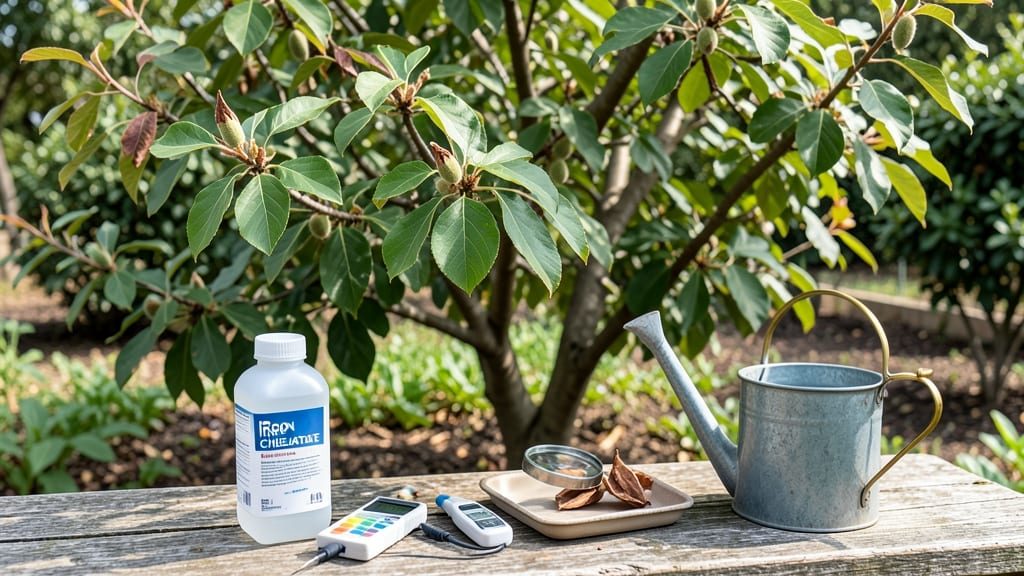
Brown tips on almond tree leaves mean your tree is crying out for help—usually from fungal stress or environmental strain. 🌿 I’ve nursed back more than a few struggling almond trees, and the fixes are simpler than you’d think, especially when you catch them early. The culprits?
Too much water, fungal spores, or even just dry air sucking moisture from the edges. My trees looked like they’d been sun-scorched until I adjusted their care—now they’re thriving. The key is acting fast before the damage spreads.
You’ll see new growth within weeks if you prune the dead tips, improve airflow, and treat with a light fungicide. The leaves will turn vibrant green again, and your tree will reward you with next year’s harvest. Works for both young trees and mature ones—just scale the treatment.
Let’s get your almond tree back to healthy in no time.
Root Causes Of Leaf Discoloration
Understanding why your almond tree’s leaves develop brown tips is the first step to restoring its health. These issues often stem from environmental stress, poor care, or hidden pests.
Below, we break down the most common culprits—each with a clear scientific explanation and actionable insights to help you diagnose the problem accurately.
Almond trees thrive in hot, dry climates, but even resilient varieties can suffer when conditions stray too far from their ideal range. Brown tips often signal osmotic stress, where the tree struggles to balance water intake and loss.
- ❄️ Extreme Temperature Swings - Why it happens: Almond trees are sensitive to rapid temperature shifts, especially when cold nights follow hot days.
This disrupts stomatal function (the tiny pores on leaves that regulate gas exchange), causing water loss and desiccation (drying out) at the leaf edges. - Key signs: Brown tips appear crispy or papery, often on older leaves first.
The rest of the leaf may stay green but feel dull or leathery. - Actionable fix: - Mulch heavily (3–4 inches of organic matter) to buffer soil temperature. - Avoid overhead watering at dawn or dusk (wet leaves + cold = frost damage). - Use shade cloth (30–50%) during extreme heat waves if your tree is young or stressed.
- ☀️ Intense Sunburn or Heat Stress - Why it happens: Almond trees adapted to Mediterranean climates can’t handle prolonged direct sunlight + high winds, leading to photooxidative damage.
The edges of leaves absorb excess light energy, producing reactive oxygen species (ROS) that "burn" leaf tissue. - Key signs: Brown tips are tan or bleached, often on south- or west-facing branches.
Leaves may also show yellowing between veins (a sign of sun scorch). - Actionable fix: - Prune to open the canopy for better airflow (aim for 60–70% light penetration). - Apply a lightweight shade cloth temporarily during heatwaves. - Deep water (1–1.5 inches per week) to help the tree transpire (release water vapor) safely.
Brown tips often scream "water imbalance"—either drought stress or overwatering-induced root suffocation. Almond trees hate "wet feet" but also wilting from neglect.
- 🚰 Underwatering (Drought Stress) - Why it happens: Almond trees have deep taproots but still need consistent moisture in the top 12 inches of soil.
When soil dries out, the tree closes stomata to conserve water, but this traps toxins in leaf cells, causing necrosis (cell death) at the edges. - Key signs: Brown tips are dry and brittle; the leaf may curl inward.
Soil near the roots feels bone-dry even 2 inches down. - Actionable fix: - Drip irrigation is best—water slowly and deeply (1–2 hours, 2–3 times per week in summer). - Mulch with straw or wood chips to retain moisture (keep mulch 4 inches away from the trunk). - Avoid shallow watering (e.g., sprinklers)—this encourages surface root growth, which is prone to stress.
- 💦 Overwatering (Root Rot Risk) - Why it happens: Almond trees hate soggy soil, especially in clay or compacted ground. Excess water displaces oxygen in the root zone, leading to anaerobic conditions where harmful bacteria (Pseudomonas, Erwinia) thrive.
The tree can’t absorb nutrients, so leaves show chlorosis (yellowing) followed by browning. - Key signs: Brown tips are soft or mushy; the leaf may drop prematurely.
Soil smells musty, and roots appear dark and rotten if dug up. - Actionable fix: - Test soil moisture with a moisture meter—water only when the top 3 inches are dry. - Amend heavy clay soil with coarse sand or perlite to improve drainage. - Raise beds slightly (6–12 inches) if your soil is naturally waterlogged.
Fungi love stressed almond trees—they exploit weak defenses to clog stomata or infect leaf tissue, leading to brown, crinkled tips.
- 🍃 Anthracnose (Colletotrichum spp.) - Why it happens: This fungus thrives in humid, warm conditions (75–85°F) and wounds (e.g., from pruning or hail).
It produces spores that germinate on leaf surfaces, blocking stomata and causing cell death at the edges. - Key signs: Brown tips are raised or velvety (like a dusting of cocoa powder).
Leaves may develop target-like spots with yellow halos. - Actionable fix: - Prune infected branches (sterilize tools with 70% alcohol). - Apply copper fungicide (e.g., Copper Sulfate) preventively in spring and after rain. - Improve airflow by thinning dense foliage.
- 🌿 Powdery Mildew (Erysiphe spp.) - Why it happens: Unlike other fungi, powdery mildew doesn’t need water—it spreads via windborne spores and thrives in shady, humid microclimates.
It forms a white, powdery coating that smothers leaves, leading to brown, dead tips as photosynthesis stops. - Key signs: Leaves have white, talcum-powder patches that turn brown and crispy.
New growth is often stunted. - Actionable fix: - Spray neem oil (1 tbsp per gallon of water) every 7–10 days during outbreaks. - Avoid overhead watering—use drip irrigation to keep leaves dry. - Reflective mulch (e.g., white plastic) can reduce humidity near the tree.
Pests like aphids, mites, and scale insects don’t just weaken your almond tree—they inject toxins as they feed, causing brown, curled tips.
- 🐜 Aphids & Mites (Sap-Sucking Invasions) - Why it happens: These tiny insects pierce leaf cells to drink sap, but their saliva contains phytotoxins that disrupt chlorophyll production.
The tree responds by abscising (shedding) damaged tissue, starting at the leaf edges. - Key signs: Brown tips are sticky (aphid honeydew) or speckled with webbing (mites).
Leaves may curl or distort. - Actionable fix: - Blast off pests with a strong spray of water (early morning). - Introduce predator insects (e.g., ladybugs, lacewings) or use insecticidal soap. - Prune heavily infested branches and dispose of them in sealed bags.
- 🐌 Scale Insects (Armored Threats) - Why it happens: Scale insects attach to leaves/stems and suck sap, but their waxy coating makes them hard to kill.
Their feeding starves the tree of nutrients, leading to brown, brittle tips and premature leaf drop. - Key signs: Leaves have brown, shell-like bumps (the insects’ armor).
Sticky residue (honeydew) attracts sooty mold. - Actionable fix: - Scrape off scales with a soft brush dipped in rubbing alcohol. - Apply horticultural oil (e.g., dormant oil in winter) to suffocate eggs. - Encourage natural predators like parasitic wasps.
Even if your tree gets water, nutrient imbalances can cause brown tips—especially potassium, calcium, or magnesium shortages.
Quick Fixes for Leaf Stress
Now that you know the root causes behind those pesky brown tips on your almond tree leaves—whether it’s fungal infections, environmental stress, or nutrient deficiencies—it’s time to roll up your sleeves and take action! 🌱 The good news?
Most issues are fixable with simple, practical steps. Below, we’ve mapped out targeted solutions for each common cause, along with prevention tips to keep your tree thriving long-term.
Fungal problems thrive in damp, humid conditions, but they’re not invincible. Here’s how to stop the spread and restore your tree’s health:
🔥 Step 1: Prune Infected Branches
- 🔪 Remove any leaves or branches with large brown patches, black spots, or white powdery residue.
- ⏰ Do this early in the morning when the air is less humid to prevent spores from spreading.
- 🗑️ Dispose of pruned material in a sealed bag (not your compost pile) to avoid reinfection.
🍳 Step 2: Apply Fungicidal Sprays
- 💧 Use a copper-based fungicide (like copper sulfate) or a neem oil solution (1 tbsp neem oil + 1 tsp mild soap per quart of water).
These are organic, effective, and safe for most trees. - 🌡️ Spray in the early morning or late afternoon to avoid burning leaves in direct sunlight. - 🔄 Reapply every 7–10 days (or as directed on the label) until new growth appears healthy.
🌡️ Step 3: Improve Airflow & Reduce Humidity
- 🌿 Thin out dense foliage to allow sunlight and air to circulate—fungi love shady, moist spots!
- 💡 Install a small fan near the tree (on low setting) if your garden is particularly humid.
- 🌧️ Water at the base (not overhead) and avoid late-day watering to let leaves dry quickly.
💡 Prevention Tip:
- 🌱 Plant almond trees in well-draining soil and avoid overwatering—fungi love soggy roots!
- 🍄 Rotate fungicides if you use chemical sprays to prevent resistance.
If your tree is struggling from drought, scorching winds, or salt damage, recovery starts with hydration, protection, and smart care:
💧 Step 1: Deep Watering & Mulching
- 🌊 Water deeply 2–3 times per week (depending on your climate) to encourage deep root growth.
- 🍂 Apply 2–3 inches of organic mulch (wood chips, straw) around the base (but keep it 6 inches away from the trunk).
- 🌡️ Water in the early morning to reduce evaporation and prevent fungal growth.
🛡️ Step 2: Shield from Harsh Elements
- 🌬️ If winds are strong, consider windbreaks (like a tall hedge or mesh screen) to protect delicate leaves.
- ☀️ For salt burn (common near coastal areas), flush the soil with fresh water to remove excess salts.
- 🌿 Use shade cloth (30–50% coverage) if your tree is in a scorching hot spot.
💡 Prevention Tip:
- 🌱 Choose the right location—almond trees prefer full sun but need protection from extreme winds or salt spray.
- 🍃 Gradually acclimate young trees to full sun to avoid shock.
Brown tips can signal micronutrient deficiencies, especially in alkaline or sandy soils. Here’s how to boost your tree’s diet:
🍽️ Step 1: Soil Testing & Amendments
- 📊 Get a soil test (available through local extension offices) to check for pH imbalances or deficiencies.
- 🌱 If the soil is alkaline (pH >7.5), add elemental sulfur or peat moss to lower pH gradually.
- 🍃 For sandy soils, mix in compost or well-rotted manure to improve nutrient retention.
💊 Step 2: Targeted Fertilizing
| Deficiency | Symptoms | Solution |
|---|---|---|
| Iron (Chlorosis) | Yellow leaves with brown tips | Apply iron chelate or sulphur-coated iron granules |
| Zinc | Small leaves, brown tips | Zinc sulfate spray (1 tsp per gallon of water) |
| Magnesium | Yellowing between veins | Epsom salt (magnesium sulfate)—sprinkle around the base |
💡 Prevention Tip:
- 🌱 Fertilize in early spring (before new growth) with a balanced, slow-release fertilizer (e.g., 10-10-10).
- ✨ Avoid over-fertilizing with nitrogen—it can worsen deficiencies by making other nutrients less available.
If your tree is already heavily damaged, act fast to minimize stress and encourage recovery:
- 🍃 Trim back severely affected branches to redirect energy to healthier growth.
- 💧 Give it a "hydration boost" with a deep watering + a root stimulator (like mycorrhizal fungi).
- 🌿 Monitor for pests—stressed trees attract aphids or mites, which can worsen damage.
- 🍂 Avoid pruning in late summer/fall—let the tree recover before winter dormancy.
✅ Water wisely—deep, infrequent watering > shallow, daily sprinkles. ✅ Mulch properly—keeps roots cool and retains moisture. ✅ Prune for airflow—thin out crowded branches to prevent fungal hotspots. ✅ Test soil annually—adjust pH and nutrients as needed. ✅ Choose disease-resistant varieties—if fungal issues are recurrent, consider resistant almond cultivars.
With these practical fixes, your almond tree should bounce back in weeks to months, depending on the severity. 🌟 Patience and consistency are key—don’t give up if you don’t see instant results! Most trees recover beautifully with the right care.
Frequently asked questions about almond tree leaf tips
Why do only the tips of my almond tree leaves turn brown first?
Brown tips appear first because they're the most vulnerable part of the leaf. When your tree experiences water stress (either drought or overwatering), nutrient deficiencies, or fungal infections, the edges lose moisture fastest. This creates a "burning" effect where cells die from the outside in. Think of it like how paper curls and browns at the edges when it dries out.
Can I save my almond tree if half the leaves already have brown tips?
Yes! Even with significant damage, your tree can recover if you act quickly. Prune all severely affected branches first, then focus on correcting watering habits and applying fungicide if needed. Most trees show new growth within 4-6 weeks of proper care. The key is stopping further stress while supporting healthy leaves.
Is it safe to use household vinegar as a fungicide for my almond tree?
No, plain vinegar is too harsh for almond trees. While it kills some fungi, the acidity can burn leaves and disrupt soil pH. Instead, use a 1% solution of neem oil (1 tbsp per gallon of water) or a copper fungicide. Both are safer and more effective for treating fungal issues like powdery mildew or anthracnose.
How often should I check my almond tree for early signs of brown tips?
Inspect your tree every 7-10 days during growing season (spring through fall). Focus on new leaves first, as they show early signs of stress. In high-risk conditions (hot/dry weather or after heavy rain), check every 3-4 days. Early detection means you can treat problems before they spread to the whole tree.
Will brown tips on almond leaves affect next year's nut production?
Mild cases usually don't harm production, but severe or untreated issues can reduce yields. When leaves are stressed, the tree diverts energy to recovery instead of flowering and fruit development. If you see more than 30% of leaves affected, take action immediately to protect next year's harvest. Healthy leaves = better photosynthesis = more nuts!