
Trees
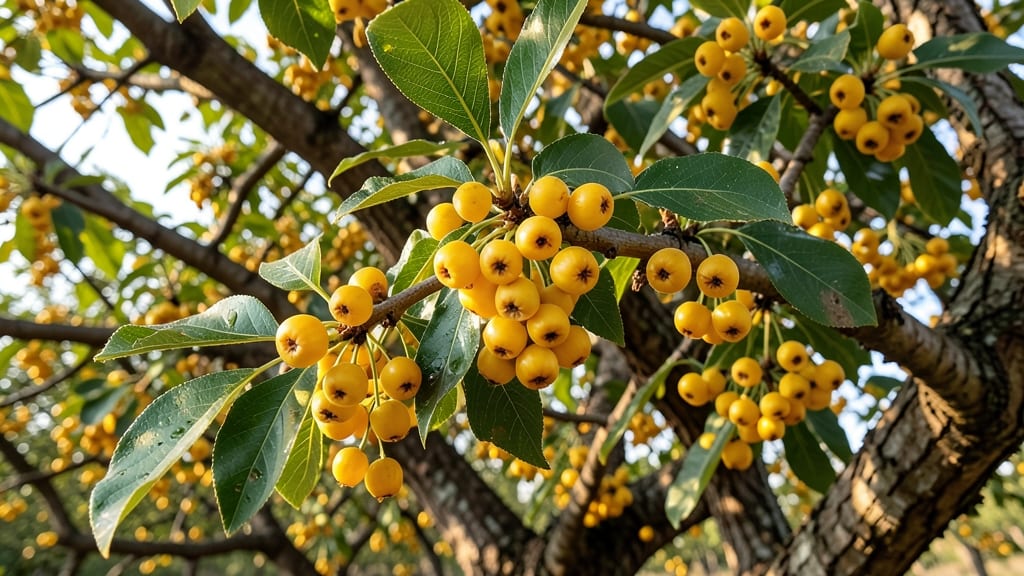
Looking for the juiciest, fastest-growing mulberries? These 10 mulberry tree varieties deliver high yields, disease resistance, and adaptability—whether you're harvesting for fresh fruit, jams, or wildlife. Perfect for home gardens, urban yards, or commercial orchards.
Illinois Everbearing Mulberry Tree
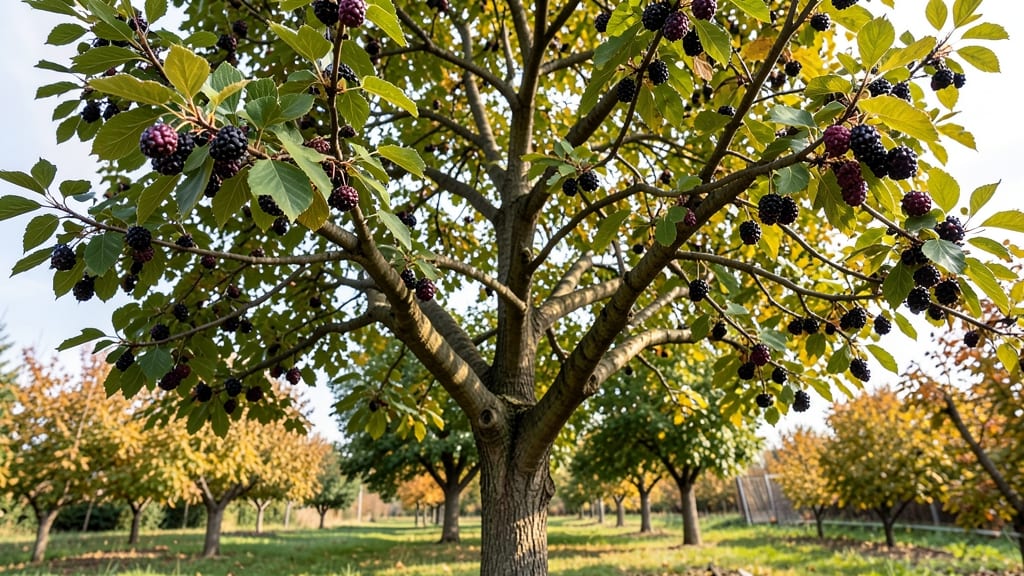
Tired of mulberry trees that demand constant attention or only produce once a year? The Illinois Everbearing Mulberry Tree is your game-changer—delivering two harvests annually (spring and fall) with virtually no extra effort.
This cold-hardy variety thrives in USDA zones 4-9, making it perfect for northern climates where other mulberries struggle. It grows to a manageable 15-20 feet tall, fitting snugly in small yards or urban lots. The deep purple berries are sweet and juicy, ideal for fresh eating or preserving. Plus, its minimal care requirements mean you’ll spend more time enjoying the fruit than tending the tree.
Urban gardeners and first-time fruit tree growers will love this low-maintenance option—it’s like having a fruit-bearing tree on autopilot. 🌟
Black Diamond Mulberry Tree
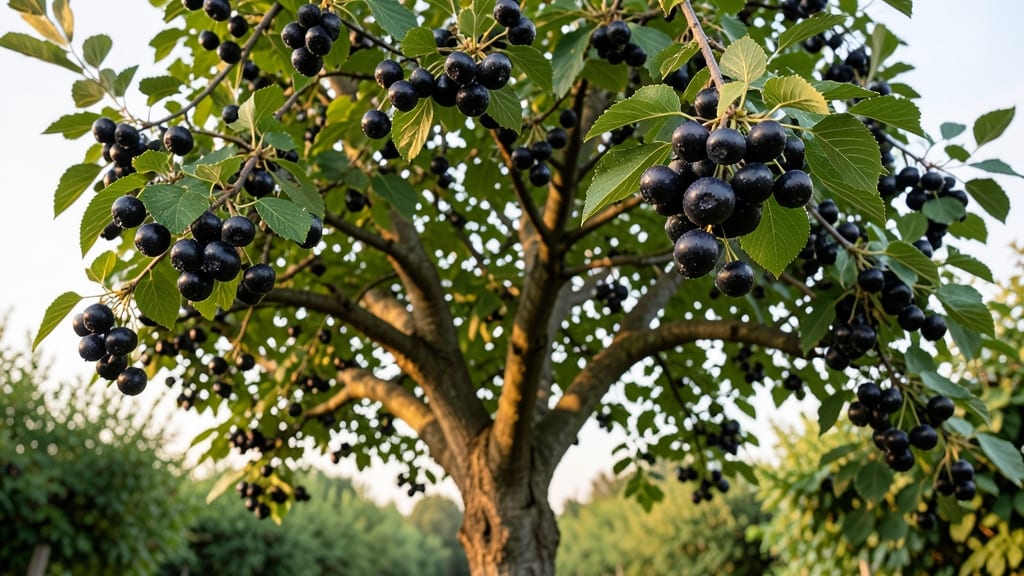
If you love giant, sweet mulberries that stay fresh for weeks, the Black Diamond Mulberry Tree is your best bet. This cold-hardy variety thrives in USDA zones 4-9, making it perfect for gardeners in northern climates who want reliable harvests without fuss.
Expect dark purple-black berries that can grow up to 2 inches long—ideal for fresh eating, freezing, or baking. Unlike some varieties, these berries ripen uniformly and hold on the tree longer, reducing waste. Plant in full sun with well-drained soil, and watch it grow into a 25-30 foot tree with minimal care.
This variety is especially great for gardeners in cooler regions who want a high-yielding fruit tree without the maintenance of tropical varieties. 🌟
Albion Mulberry Tree
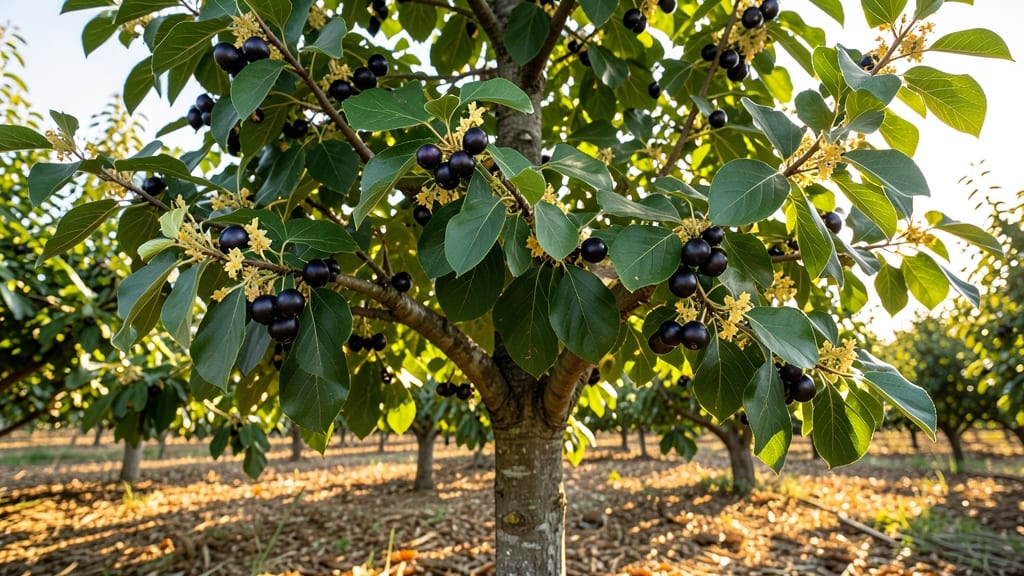
If you're tired of battling pests and diseases in your garden, the Albion mulberry tree might be your new favorite. Unlike other varieties that struggle with fungal infections or insect damage, this tree stays healthy with minimal intervention—even in drought conditions.
Its early-season berries ripen in late spring, often before common pests like Japanese beetles or mulberry pyralid moths become active. The fruit is sweet and tart, perfect for fresh eating or jams, and the tree's compact size (20-30 feet) makes it ideal for smaller properties. Plus, its disease-resistant nature means fewer chemical treatments, making it a top choice for organic gardeners.
This variety thrives in USDA zones 5-9 and handles poor soil better than many competitors, so it's perfect for those with less-than-ideal growing conditions. 🌱
Red River Giant Mulberry Tree
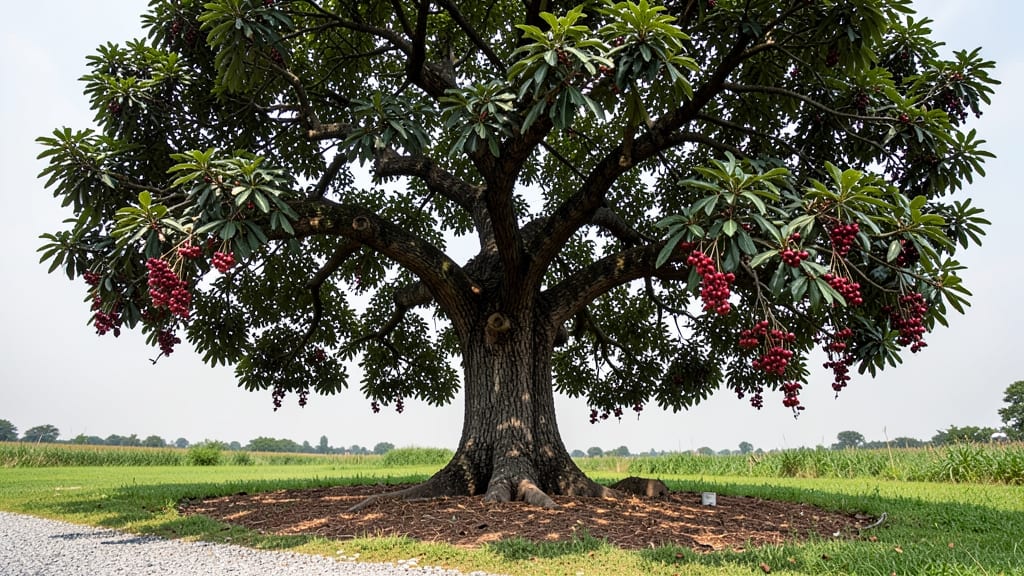
If you're dreaming of a shade-providing giant that grows faster than most fruit trees, the Red River Giant Mulberry delivers—20 feet tall in just 5 years. This isn’t just rapid growth; it’s a high-value investment for large properties where space and time are no object.
Its deep red berries are prized for homemade jams and attract wildlife like birds and squirrels, making it a dual-purpose powerhouse. Plant it in full sun to partial shade and well-draining soil, and expect minimal pest issues compared to other varieties. The tree’s dense canopy also provides year-round shade, perfect for patios or farm edges.
Ideal for landowners with acreage or rural plots, this variety turns empty corners into productive, picturesque spaces. 🌟
Arapaho Mulberry Tree
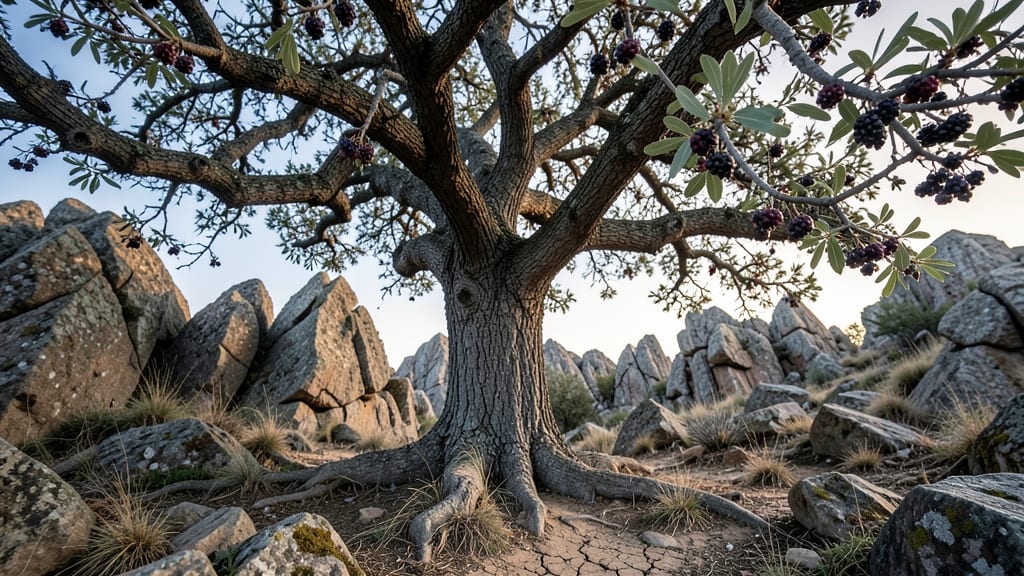
If you're gardening in rocky soil or harsh conditions, the Arapaho mulberry tree is your resilient ally. Native to the Rocky Mountains, this hardy variety thrives where others fail, making it perfect for rugged landscapes or neglected corners of your property.
This tree produces tart-sweet berries that ripen in late summer, attracting birds while providing a unique harvest for humans. Unlike fussy mulberry varieties, the Arapaho handles poor soil and drought with ease, requiring minimal care once established. Its berries are smaller than commercial types but packed with flavor, ideal for fresh eating or jams.
Perfect for gardeners in USDA zones 4-8, this tree also supports local wildlife while adding natural beauty to your landscape. 🌟
White Mulberry Tree
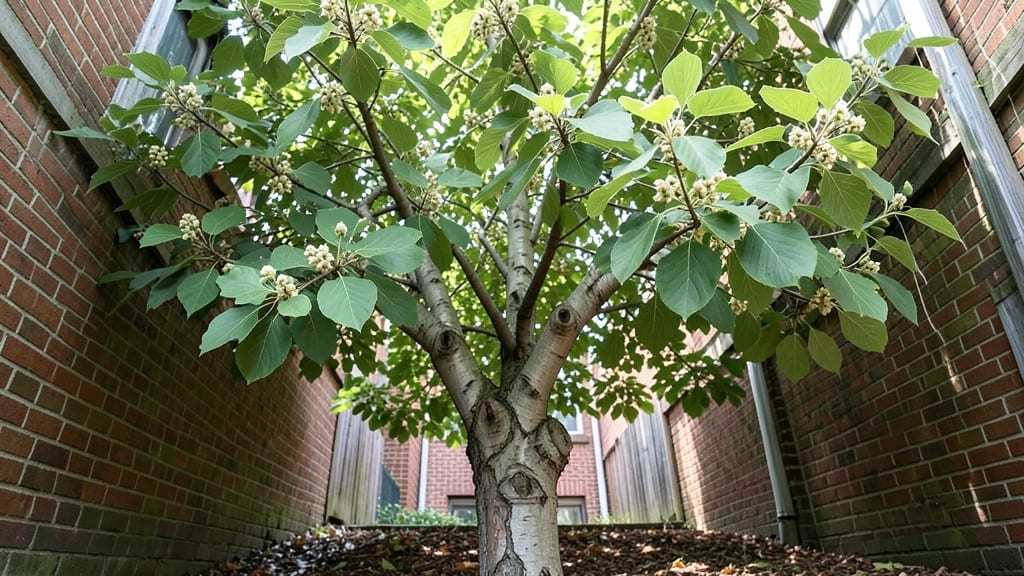
Looking for a mulberry tree that thrives in tight spaces and partial shade? The white mulberry tree (Morus alba) is your answer—its fast growth and mild, sweet berries make it a standout for urban gardeners and pollinator-friendly landscapes.
This adaptable tree grows 30-50 feet tall but tolerates pruning to fit smaller yards, and its shade-tolerant foliage means it won’t wilt in spots where other fruit trees struggle. The berries, though pale pinkish-white, ripen to a delicate, almost honey-like flavor—ideal for fresh eating, jams, or attracting birds and bees. Plant it near patios or sidewalks for a low-maintenance, productive addition.
Perfect for city dwellers or those with limited sun exposure, this tree also supports local ecosystems by hosting pollinators. 🌿
Kwanso Mulberry Tree
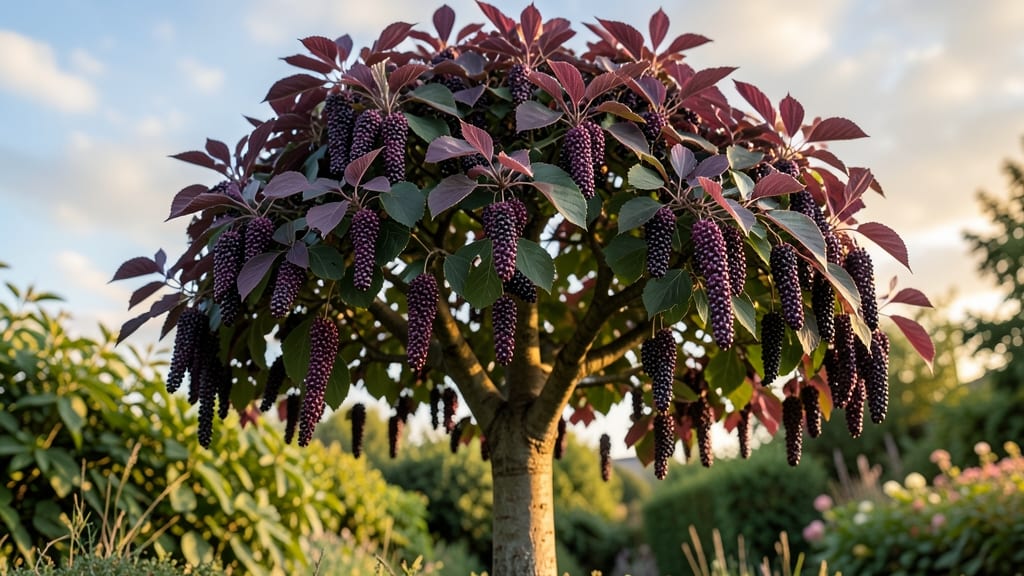
If you’ve ever dreamed of growing mulberries but lack space for a sprawling tree, the Kwanso mulberry is your perfect match. This compact dwarf variety tops out at just 15-20 feet, making it ideal for small yards, patios, or even large containers—without sacrificing the dramatic beauty of its purple-black berries.
Unlike its larger cousins, the Kwanso thrives in USDA zones 5-9 and adapts well to urban environments, tolerating both full sun and partial shade. Its dense, rounded canopy produces abundant berries that ripen in late summer, attracting birds while offering you a harvest of sweet-tart fruit. For container growing, choose a pot at least 24 inches wide with drainage holes and use well-draining soil mixed with compost.
This variety is a game-changer for city dwellers, small-space gardeners, and those who want year-round interest—its glossy foliage adds texture even when berries aren’t in season. Plus, its manageable size means less pruning and easier maintenance. 🌱
Texas Mulberry Tree
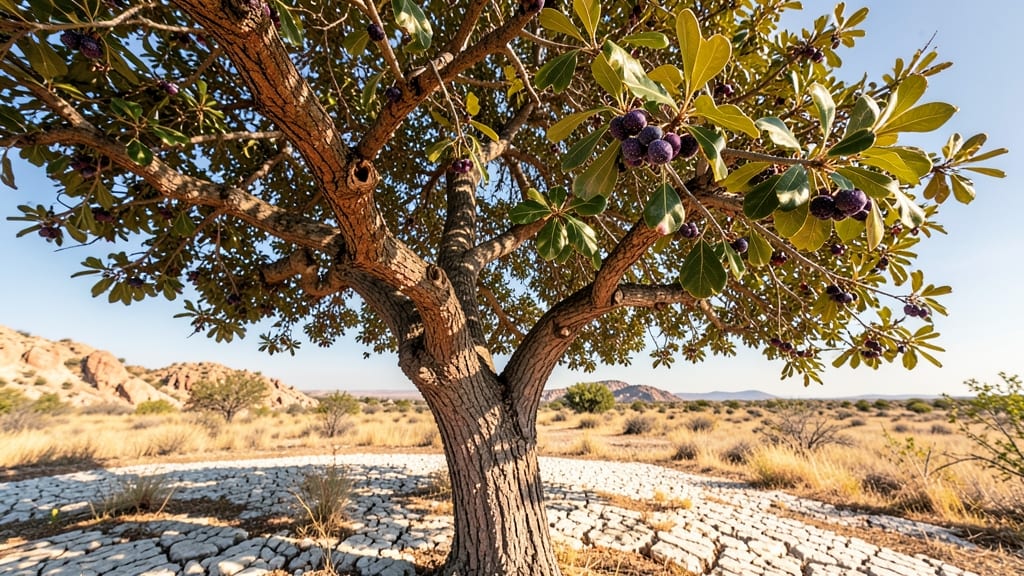
If your garden battles 100°F summers and sparse rainfall, the Texas Mulberry Tree is your secret weapon. This native powerhouse thrives where others wilt, delivering sweet, juicy berries without the fuss of constant watering or shade.
Native to the Southern Plains, this tree handles full sun exposure and drought conditions like a champ, making it ideal for USDA zones 7-10. Its berries ripen from red to deep purple, offering a flavor profile that’s sweeter than many commercial varieties. Plus, its moderate growth rate (20-30 feet tall) means it won’t overwhelm small yards.
Perfect for homesteaders, urban gardeners in hot climates, or anyone tired of fighting nature—this tree rewards you with low-maintenance fruit while supporting local wildlife. 🌻
Supreme Mulberry Tree
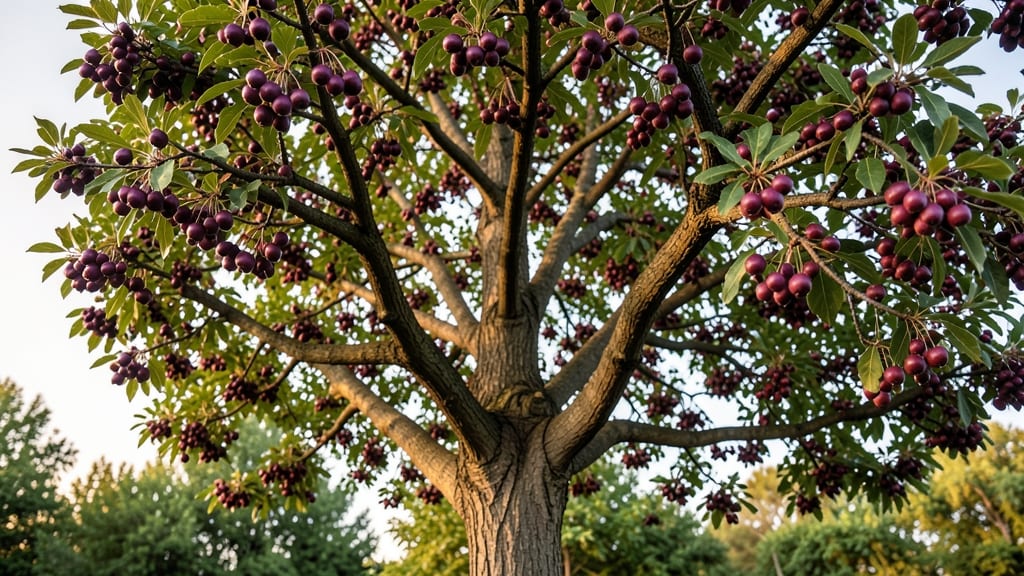
If you're dreaming of a year-round mulberry harvest without the rush, the Supreme Mulberry Tree is your game-changer. Unlike most varieties that drop berries quickly, this one keeps its deep purple-red fruit hanging for weeks—giving you flexibility for commercial picking or family feasts.
This heavy-yielding tree thrives in USDA zones 5-9 and produces sweet, juicy berries perfect for fresh eating, drying, or processing. Its prolonged fruiting season means fewer wasted berries and more time to enjoy (or sell!) your harvest. For best results, plant in full sun and prune annually to maintain an open canopy.
Ideal for homesteaders, small farms, or large families, this variety turns your garden into a reliable fruit source. 🌟
Golden Mulberry Tree

If you crave a mulberry tree that doubles as a conversation piece, the Golden Mulberry Tree delivers with its sun-kissed yellow berries—a rare find in the world of mulberries. These berries aren’t just visually stunning; they offer a sweet-tart flavor that’s perfect for fresh snacking or crafting unique preserves.
This variety thrives in full sun to partial shade and adapts well to various soil types, making it a versatile choice for both ornamental gardens and edible landscapes. The berries ripen later in the season, giving you a novelty harvest that stands out from traditional purple or black mulberries. While less common, Golden Mulberry trees are gaining popularity among gardeners who want to add a pop of color and intrigue to their yards.
Ideal for those who love whimsical garden accents or want to grow something truly unique, this tree is perfect for small urban gardens, pollinator-friendly landscapes, or as a standout feature in mixed shrub borders. 🌻