
Trees
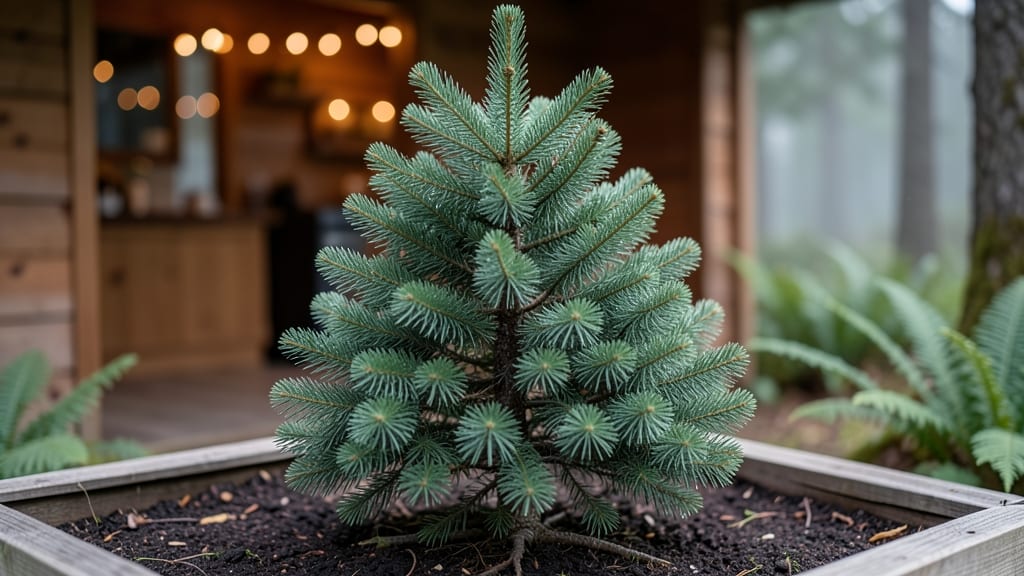
The scent of balsam fir Christmas trees blends sweet vanilla, bright citrus, and fresh mint notes—like candy canes and crisp winter air—thanks to its natural terpene compounds that also deter insects.
The balsam fir's signature aroma comes from a complex mix of limonene (citrusy), pinene (piney), and bornyl acetate (vanilla-like) compounds released when needles are crushed or warmed.
Unlike other evergreens, these terpenes create that nostalgic holiday fragrance we associate with fresh snow and peppermint. 🌲 The scent isn't just pleasant—it also acts as a natural insect repellent, which is why these trees have been prized for centuries in holiday traditions.
What makes this scent especially magical is how the tree's needle structure works. When you bring a balsam fir indoors, the slight warmth and humidity trigger the release of more aromatic oils, intensifying that candy-cane-like fragrance.
This is why real balsam firs often smell stronger than artificial ones—even the best synthetic versions can't perfectly replicate that natural chemical cocktail.
💡 In This Article
- What Makes Balsam Fir Scent Unique Among Christmas Trees
- How to Enhance Balsam Fir Scent in Your Holiday Decor
What makes balsam fir scent unique among Christmas trees
The balsam fir's distinctive aroma comes from its specialized needle chemistry. Unlike other evergreens, its needles contain higher concentrations of bornyl acetate (a sweet, vanilla-like ester) and limonene (citrusy), which create that candy-cane-like fragrance.
These compounds are produced in specialized cells called resin ducts within the needles, where they're stored until physical stress—like crushing or warming—releases them into the air. 🌟
What sets balsam fir apart is its needle flexibility—they bend without breaking, which creates microscopic fractures when handled, releasing more aromatic oils. A study in the Journal of Essential Oil Research found balsam fir needles contain 0.5-1.0% essential oils by weight, compared to just 0.1-0.3% in Scotch pine.
This higher oil content explains why its scent feels more intense and complex than other holiday trees.
The sweetness comes from bornyl acetate, which also gives wintergreen its flavor. When heated (like in a warm room), this compound volatilizes faster, creating that immediate "fresh snow" aroma.
Meanwhile, pinene provides the piney backbone, while trace amounts of myrcene add herbal notes. This chemical trio creates the signature holiday fragrance that artificial trees can't fully replicate.
Interestingly, these same compounds serve a biological purpose—they repel insects like spruce budworm, which is why balsam firs thrive in the wild.
The scent acts as a natural deterrent, making them both fragrant and resilient. 🌲 When you bring one indoors, this dual function becomes part of the holiday experience: pleasant for humans, unwelcome for pests.
Comparing to other trees shows why balsam fir wins for scent: Scotch pine has more pinene (stronger piney smell), while Douglas fir contains alpha-pinene and beta-phellandrene (more camphor-like). Balsam fir's balanced terpene profile creates that perfect holiday aroma—like walking through a candy shop on a snowy day.
The scent intensity also depends on needle age—younger needles produce more oils, which is why freshly cut balsam firs smell strongest. As they dry out, the aroma fades within 7-10 days, which is why many people prefer to bring their tree indoors only a few days before Christmas. 🎄