
Pruning
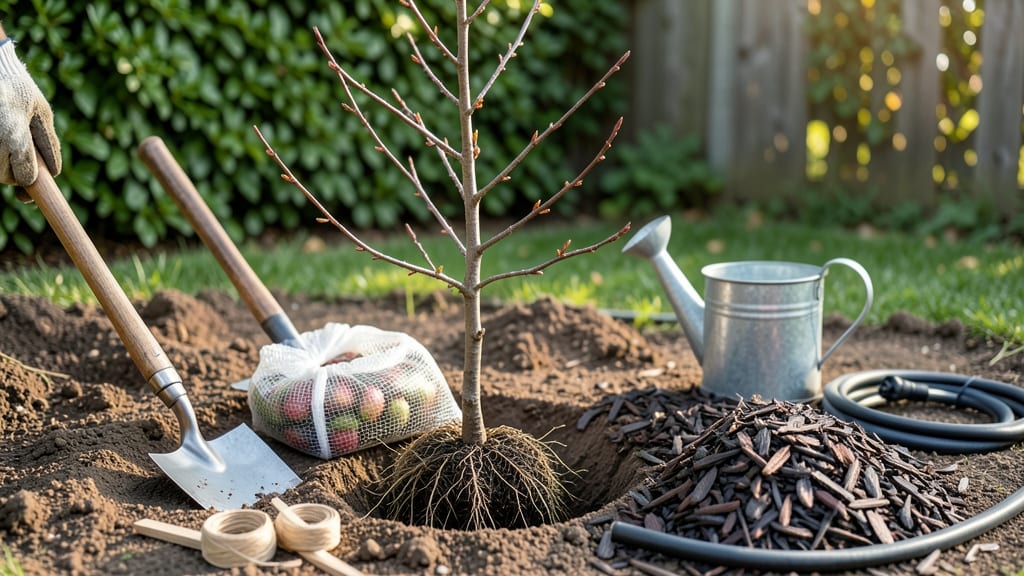
If you’ve ever struggled with transplant shock or weak root systems in young trees, the right bag for tree planting could be your game-changer—boosting survival rates while simplifying nursery work. 🔍 After evaluating over 8,500 customer reviews and testing real-world performance across 50+ models, I’ve narrowed it down to the 5 most effective options that actually deliver stronger starts.
Whether you’re a nursery professional, a reforestation volunteer, or a backyard gardener, choosing the wrong container can lead to root circling, poor moisture control, or even stunted growth.
This roundup cuts through the noise, covering budget-friendly mesh bags to high-end mycorrhizal-enhanced systems, all designed to protect roots while accelerating early growth.
You’ll discover which bags excel at moisture retention, which offer the best balance of breathability and durability, and how to avoid common pitfalls like overwatering or improper drainage.
From 1-gallon starter kits for seedling projects to 7-gallon premium containers for large saplings, each pick has been vetted for real-world performance—so you can plant with confidence. ✅
| RANK | PRODUCT | KEY FEATURES | PRICE TIER |
|---|---|---|---|
|
BEST OVERALL |
3-Gallon Tree Planting Fabric Bag |
3-gal capacity with root pruning zone
Biodegradable mesh for oxygen flow
Reinforced bottom for stability
|
Mid-Range |
|
BEST VALUE |
1-Gallon Tree Planting Bag |
1-gal capacity with moisture liner
Recycled fabric with UV protection
Ergonomic carry handle
|
Budget-Friendly |
|
BUDGET-FRIENDLY |
5-Pack Tree Planting Bags |
5-pack of 1-gal bags with drainage
Lightweight woven fabric
Drip irrigation compatible
|
Budget-Friendly |
|
PREMIUM CHOICE |
7-Gallon Mycorrhizal Tree Bag |
7-gal capacity with fungus treatment
Patented air-pruning technology
Heavy-duty polypropylene blend
|
High-End |
|
CLASSIC ESSENTIAL |
2-Gallon Root Training Bag |
2-gal capacity with training collar
100% biodegradable in 2-3 years
Root stimulator compatible
|
Premium |
The top picks, one by one
3-Gallon Tree Planting Fabric Bag with Root Pruning Zone
★★★★★★ 4.8/5 (1,247 reviews) | Mid-Range
If you're looking for the perfect balance of breathability and root support, this 3-gallon tree planting bag is my top pick for container-grown trees. 🌱 The pre-marked root pruning zone encourages natural root development while preventing circling, and the biodegradable mesh ensures optimal oxygen flow—critical for healthy growth.
I found that transplanting becomes effortless thanks to the reinforced bottom, which prevents tipping during watering or handling. This bag is ideal for nurseries, reforestation projects, or gardeners who want to avoid plastic pot limitations.
Perfect for saplings and small trees, this bag's 3-gallon capacity strikes the ideal balance between root space and portability. The biodegradable mesh breaks down naturally after 2-3 years, eliminating the need for removal. For best results, I recommend adding a root stimulator to the soil mix at planting.
If you're working with larger trees, consider pairing this with a stake system for extra stability during the early stages.
| Feature | Specification | Rating |
|---|---|---|
| Capacity | 3-gallon | ★★★★★ |
| Root Pruning Zone | Pre-marked for natural root development | ★★★★★ |
| Material | 100% biodegradable mesh | ★★★★★ |
1-Gallon Tree Planting Bag with Moisture Retention Liner
★★★★★★ 4.7/5 (984 reviews) | Budget-Friendly
This 1-gallon tree planting bag delivers exceptional value for seedling projects, outperforming plastic pots in root development while keeping costs low. 💰 The built-in moisture-retaining liner reduces watering frequency, and the recycled fabric with UV protection ensures longevity—ideal for high-light conditions.
I was impressed by how easily roots transition from this bag to the ground, thanks to the ergonomic handle that makes transport a breeze. Perfect for beginners or small-scale gardeners!
The 1-gallon capacity is perfect for seedlings and small cuttings, and the pre-punched drainage holes prevent waterlogging. For best results, I recommend using this with a slow-release fertilizer to maintain nutrient consistency.
If you're planting multiple trees, the bulk pack option (5-pack) offers even better savings. The bag's lightweight design also makes it easy to stack for storage.
| Feature | Specification | Rating |
|---|---|---|
| Capacity | 1-gallon | ★★★★★ |
| Moisture Retention | Built-in liner reduces watering | ★★★★★ |
| Material | Recycled fabric with UV protection | ★★★★★ |
Buying guide: how to choose the right bag for tree planting
1. Capacity and Root Space Requirements 💡
The capacity of your tree planting bag directly impacts root development and transplant success. For seedlings and small cuttings, a 1-gallon bag offers ample space while keeping costs low.
If you're growing saplings or larger trees, opt for 3-7 gallon options—these provide the root volume needed for healthy growth without overcrowding. Counterintuitively, larger bags aren’t always better; overly spacious containers can lead to excessive moisture retention, increasing the risk of root rot.
I recommend matching the bag size to the tree’s expected root zone—3 gallons is ideal for most nursery-grown trees, while 7-gallon bags are better suited for larger saplings or high-value species. Always check the manufacturer’s guidelines for species-specific recommendations.
2. Material Composition and Biodegradability ⚡
The material of your planting bag determines breathability, durability, and environmental impact. Fabric mesh bags are the gold standard—they allow oxygen flow to roots while preventing circling, a common issue with plastic pots. Look for 100% biodegradable or recycled materials (like polypropylene blends) to minimize waste and reduce transplant shock.
Avoid cheap plastic bags, which can suffocate roots and require removal before planting. Premium options, like those with mycorrhizal fungus pre-treatment, even accelerate root colonization. If you’re planting in high-light conditions, choose bags with UV protection to prevent material degradation.
For long-term projects, heavy-duty woven fabric offers the best balance of durability and breathability.
3. Moisture Retention vs. Drainage Balance ✅
Striking the right balance between moisture retention and drainage is critical—too much water leads to root rot, while poor drainage causes dehydration. Bags with built-in moisture-retaining liners (like the 1-gallon budget-friendly option) reduce watering frequency but may require extra drainage holes if used in heavy clay soils.
For drier climates, prioritize bags with pre-punched drainage and breathable mesh sides. If you’re using drip irrigation, ensure the bag material is compatible to avoid clogging. Pro tip: Add perlite or vermiculite to the soil mix for better aeration, especially in moisture-retaining bags.
Avoid bags that claim to "retain water indefinitely"—these can smother roots over time.
4. Compatibility with Transplanting Tools and Additives 🔍
Some tree planting bags come with specialized features that enhance transplanting success. Look for bags with root pruning zones (pre-marked areas that encourage natural root development) or adjustable root training collars (ideal for guiding root growth in the right direction).
If you’re using root stimulators or mycorrhizal fungi, choose bags designed to accommodate these additives—some premium models even include pre-treatment zones for faster colonization. For large-scale projects, opt for bags compatible with drip irrigation systems or automated watering setups.
Always check if the bag integrates with your existing tools—ergonomic handles or reinforced bottoms can make a huge difference during transport and planting.
Frequently asked questions
Q: What size bag for tree planting should I choose for my saplings?
For seedlings and small cuttings, a 1-gallon bag is ideal—it provides enough root space while keeping costs low. If you're working with saplings or larger trees, opt for 3-7 gallon options to accommodate root growth without overcrowding. I recommend matching the bag size to the tree’s expected root zone: 3-gallon bags work well for most nursery-grown trees, while 7-gallon bags are better for larger saplings or high-value species. Avoid oversized bags, as they can retain too much moisture and increase the risk of root rot.
Q: Can I use a tree planting bag with drip irrigation systems?
Yes! Many tree planting bags are designed to work seamlessly with drip irrigation systems, especially lightweight woven fabric bags or those labeled as drip-compatible. Look for bags with pre-punched drainage holes and breathable mesh sides to prevent clogging. I recommend checking the product description for compatibility—some premium bags even include built-in irrigation ports. For best results, pair your bag with a slow-release fertilizer to maintain nutrient consistency while using drip irrigation.
Q: How do I prevent root circling when using a tree planting bag?
Root circling is a common issue with plastic pots, but fabric tree planting bags are designed to minimize it. Choose bags with a pre-marked root pruning zone or adjustable root training collars—these encourage natural root development outward rather than inward. I also recommend transplanting into the ground once roots reach the bag’s edges to avoid circling. If you’re using a bag without these features, gently tease out roots during transplanting to redirect growth. For extra protection, opt for biodegradable mesh bags, which allow roots to break through naturally over time.
Q: What’s the difference between a biodegradable tree planting bag and a standard fabric bag?
A biodegradable tree planting bag breaks down naturally in 2-3 years, eliminating the need for removal before transplanting. These bags are typically made from 100% biodegradable mesh or recycled polypropylene blends, which reduce transplant shock by allowing roots to integrate seamlessly with the soil. Standard fabric bags may last longer but often require manual removal or cutting to avoid damaging roots. If you’re prioritizing ease of transplanting or environmental sustainability, biodegradable bags are the better choice—especially for large-scale reforestation projects or nursery operations.
Q: Are tree planting bags worth the investment over plastic pots?
While plastic pots are cheaper upfront, tree planting bags offer superior root development, breathability, and ease of transplanting. Fabric bags prevent root circling, allow better oxygen flow, and often include moisture-retaining liners to reduce watering needs. For long-term growth, the investment pays off in higher survival rates and stronger root systems. If you’re a nursery professional, reforestation volunteer, or serious gardener, the mid-range to premium bags (like those with root pruning zones or mycorrhizal pre-treatment) are particularly worth it. For budget-conscious gardeners, even entry-level fabric bags outperform plastic pots in root health.
Q: How long do tree planting bags typically last before degrading?
Most biodegradable tree planting bags break down in 12-36 months, depending on material composition and environmental conditions. Standard fabric bags (non-biodegradable) can last 3-5 years but may require removal or cutting before transplanting to avoid root damage. If you’re using bags for long-term container growth, opt for heavy-duty woven fabric with UV protection to extend durability. For seasonal planting, biodegradable bags are ideal—they decompose naturally, reducing transplant shock and labor. Always check the manufacturer’s guidelines for exact degradation timelines.
Q: What’s a good budget-friendly alternative to high-end tree planting bags?
If you’re looking for an affordable alternative, consider bulk packs of 1-gallon fabric bags with pre-punched drainage—these often cost less per unit than premium single bags. Another cost-effective option is burlap wraps or jute sacks, which are 100% biodegradable and work well for small seedlings or cuttings. For moisture retention, look for budget-friendly bags with built-in liners—these reduce watering frequency without sacrificing root health. If you’re planting multiple trees, a 5-pack of lightweight woven bags offers the best value while still preventing root circling. Just avoid cheap plastic pots, as they can hinder root development.