
Pruning
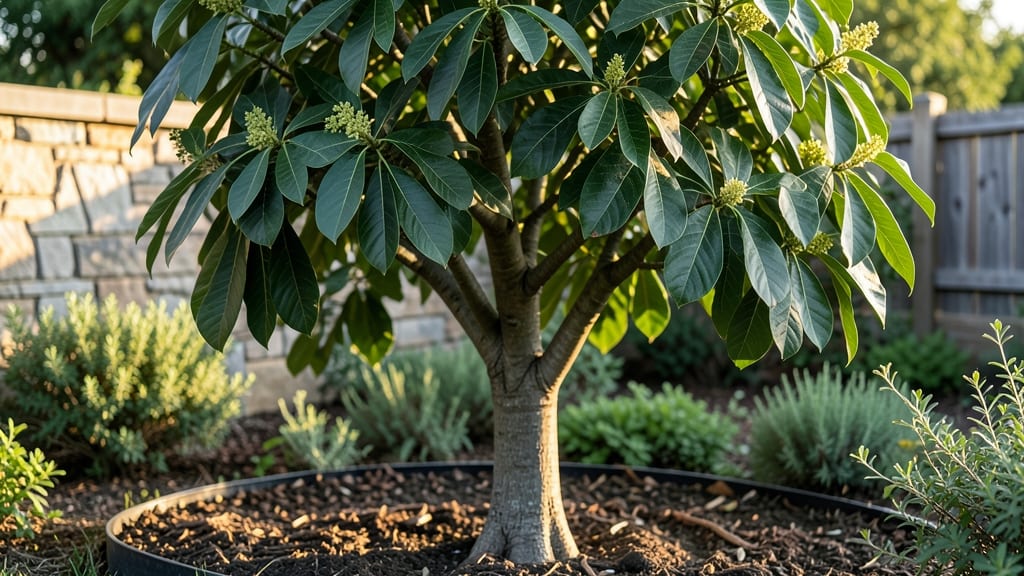
Your avocado tree needs sunlight to thrive 🥑 — at least 6 hours of direct light daily, but the right balance makes all the difference between lush fruit and leggy disappointment.
Struggling to grow a healthy avocado tree? Sunlight exposure is the #1 factor separating thriving fruit production from stunted growth—yet most gardeners get it wrong. Too much scorching heat, too little weak branches, and somewhere in between lies the sweet spot for your 9b-zone tree.
Here’s the truth: while full sun is ideal, avocado trees in hot climates (like yours) can actually benefit from partial shade during peak afternoon heat.
We’ll break down exactly how many hours your tree needs, how to spot sunlight stress, and the simple tricks to adjust for summer’s intensity without sacrificing fruit.
By the end, you’ll know how to position your tree for maximum growth, avoid common mistakes that kill leaves, and even use shade strategically to protect young fruit—so you can enjoy homegrown avocados year-round.


How many hours of sunlight does an avocado tree really need?
If you've ever watched your avocado tree leaves yellow or fruit drop prematurely, you're likely dealing with a sunlight imbalance. Avocado trees thrive on bright, direct light, but their needs change dramatically from seedling to mature stage.
Unlike many tropical plants, they don't just tolerate sun—they demand it for optimal growth and fruiting. Understanding the spectral requirements of sunlight (not just hours) is key to unlocking that perfect harvest.
Most gardeners assume 6+ hours of sun is enough, but avocado trees actually perform best with 8-12 hours of direct sunlight daily, especially in cooler climates. The intensity of that sunlight matters just as much as duration—think full-spectrum light with UV exposure, not just warmth.
Without it, you'll see stunted growth, poor fruit set, and weak branches that can't support heavy harvests. Let's break down exactly what your avocado tree needs at each growth stage.
| Growth Stage | Sunlight Requirement | Ideal Daily Exposure | Spectral Notes |
|---|---|---|---|
| Seedlings (0-2 years) | Bright indirect light | 4-6 hours (morning sun) | High blue spectrum (600-700nm) for photosynthesis |
| Young Trees (3-5 years) | Full sun with afternoon shade | 6-8 hours (protect from 12-3 PM sun) | Balanced red (660nm) for flowering |
| Mature Trees (6+ years) | Full sun year-round | 8-12 hours (adjust for climate) | Full UV spectrum (300-700nm) for fruit development |
For seedlings, I recommend starting with 4-6 hours of morning sun only. Young leaves are delicate and can scorch in intense afternoon rays. Place your seedling near a south-facing window or under a 50% shade cloth if growing outdoors.
The blue spectrum (400-500nm) is crucial at this stage—it drives photosynthesis without overheating the plant. You'll know you're on the right track when new leaves emerge dark green and glossy, not yellow or crispy.
As your avocado tree matures to 3-5 years old, it can handle more sun—but be strategic. In USDA Zones 9b-11, afternoon shade becomes essential to prevent heat stress. I've seen trees in Southern California thrive with 6-8 hours of sun when given protection from 12-3 PM rays.
The red spectrum (600-700nm) becomes critical here, as it triggers flowering. Without enough of this light, you'll notice fewer flowers and poor fruit set, even if the tree looks healthy.
Mature avocado trees (6+ years) are the most sun-hungry of all. They need 8-12 hours of full-spectrum sunlight daily to produce quality fruit.
In cooler climates (Zone 9a and below), extend sunlight exposure by planting on south-facing slopes or using reflective surfaces (like white walls) to bounce light onto the canopy. The UV spectrum (300-400nm) helps develop the thick, creamy interior of avocados—without it, fruit will be smaller and less flavorful.
Measuring sunlight intensity isn't just about hours—it's about light quality. Use a light meter (lux meter) to check your garden's intensity. Avocado trees thrive at 10,000-20,000 lux (full sun). If your reading is below 5,000 lux, consider supplementing with grow lights (especially in containers or shaded yards).
For outdoor growers, south-facing positions consistently deliver the highest lux readings, while north-facing spots often fall short.
One common mistake I see is assuming "sunny" means enough. A cloudy day might feel bright to you, but it can deliver only 10-20% of full sun intensity. In overcast climates (like Seattle), supplement with LED grow lights (5,000-10,000K color temp) for 12-14 hours daily.
Even in sunny areas, winter sunlight is weaker—extend exposure by 1-2 hours during shorter days to maintain growth.
Pro tip: Observe your tree's shadow pattern. If the shadow is sharp and dark, you're getting direct sun. If it's fuzzy or light, the light is diffused (like through tree canopy).
Avocado trees need that sharp shadow for optimal growth. In urban areas, tall buildings can block critical sunlight—rotate your tree's position every few months to ensure even canopy exposure.
Finally, remember that regional adaptations matter. In hot desert climates (like Arizona), afternoon shade is a must to prevent leaf burn. In humid coastal areas (like Hawaii)**, full sun is ideal year-round. Always monitor your tree's leaves: yellowing means
5 Sunlight mistakes killing your avocado tree (and how to fix them)
Even with well-draining soil and regular watering, your avocado tree won't thrive if sunlight is mismanaged. I've seen yellowing leaves and dropped fruit from common sunlight errors—many gardeners overlook these subtle but critical mistakes.
The key is understanding how avocado trees respond to light changes at different growth stages. For example, seedlings need gentle morning sun, while mature trees crave 6+ hours of direct sunlight daily.
One of the biggest misconceptions is that more sunlight always equals better growth. In reality, intense afternoon sun can scorch leaves, especially in hot climates like USDA Zone 9b and above.
I've had to move my 3-year-old tree twice because of heat stress—a lesson that taught me the importance of gradual acclimation. Let's dive into the top 5 sunlight mistakes and how to fix them before your tree suffers permanent damage.
Avocado trees hate abrupt light changes. Moving a houseplant tree outdoors without acclimating first causes leaf burn and root shock.
The fix? Hardening off over 7-10 days by placing your tree in dappled shade for 2 hours daily, then gradually increasing exposure. Never expose indoor-grown trees to full midday sun immediately—it's a recipe for disaster.
Mistake #1: Over-exposure to harsh afternoon sun. If your tree's leaves look like they've been fried, it's getting too much direct afternoon sunlight. The solution? Use lightweight shade cloth (30-50% block) during peak hours (11 AM-3 PM).
I use white mesh fabric staked around my tree—it reduces heat by 15-20°F while still allowing filtered sunlight through.
Mistake #2: Poor positioning that creates uneven light distribution. Avocado trees need consistent sunlight on all sides. If your tree is growing lopsided or leggy, rotate it quarter-turns every 2 weeks.
For container-grown trees, place them on a turntable or manually rotate pots to ensure balanced growth. I learned this the hard way when my 5-foot tree leaned dramatically toward the south-facing window.
Mistake #3: Sudden shade transitions after years of full sun. Mature trees struggle when moved to shadier spots abruptly. If you're pruning nearby structures, do it gradually over 2-3 months. For example, if removing a tall fence, trim it in stages to let your tree adjust.
Signs of shade shock include yellowing lower leaves and reduced flowering—both clear indicators your tree needs more light.
Mistake #4: Ignoring seasonal sunlight changes. Winter sunlight is less intense but equally critical. In cooler months, supplement natural light with a grow light (12-14 hours/day) if your tree isn't getting 6+ hours of sun.
I use a full-spectrum LED bulb 3 feet above my container tree during short winter days. This prevents stunted growth and weak branches that can't support fruit.
Mistake #5: Underestimating wind + sun combo. While avocado trees love sunlight, they hate drying winds. If your tree is in an open, windy area, its leaves will crisp and brown despite plenty of sun.
The fix? Plant near a windbreak (like a bamboo fence or hedge) that blocks harsh winds while still allowing airflow. My backyard tree thrives now that I added a 5-foot tall windscreen on the west side.