
Trees
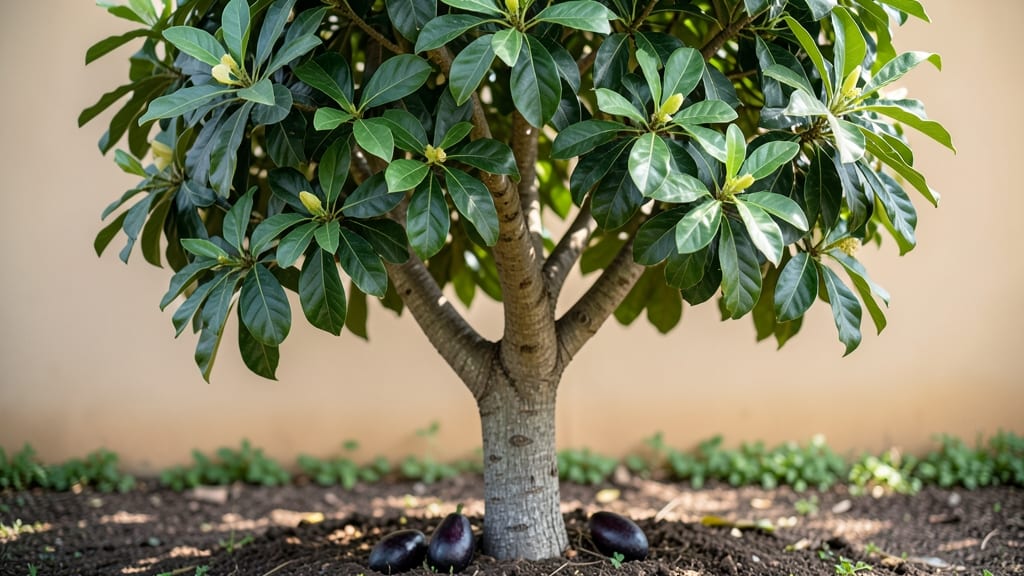
Growing an avocado tree in Ohio means choosing frost-resistant varieties like 'Mexicola' or 'Wurtz,' growing them in movable containers, and shielding them from freezing temps with insulation and heat sources. Ohio’s colder zones (5-6) make outdoor growth difficult, but indoor care with proper lighting and moisture can still produce fruit eventually.
Ohio's chilly winters—where temperatures often dip below 20°F—pose a major challenge for tropical avocado trees, which typically thrive in USDA zones 10-11. 🌱 The key to success lies in selecting hardier cultivars and adapting care routines.
While outdoor planting is risky, container cultivation lets you relocate trees indoors during winter, protecting them from frost damage that can kill leaves or even the entire plant. Even with these precautions, fruit production may take several years, as the trees focus energy on survival rather than bearing.
For best results, position containers near south-facing windows or under grow lights for 6+ hours of sunlight daily, and maintain humidity levels above 50%—a must for mimicking tropical conditions. A small space heater near the tree during winter can help maintain a 50-60°F minimum temperature, preventing cold stress.
Patience is key: with consistent care, you might see fruit in 3-5 years, though Ohio’s climate will always limit full outdoor growth potential.
💡 In This Article
- Ohio’s Climate Challenges for Avocado Trees
- Indoor vs Outdoor Avocado Tree Cultivation in Ohio
Ohio’s climate challenges for avocado trees
Avocado trees, native to Mexico and Central America, evolved in USDA zones 10-11 where temperatures rarely drop below 30°F. Their leaves contain high moisture content (about 75% water), which freezes at 32°F, causing cellular damage through ice crystal formation.
Ohio’s USDA zones 5-6 regularly see 20°F or colder winters—well below the 28°F threshold where avocados experience chilling injury, leading to brown leaf spots and stunted growth. 🌡️ The deeper issue is frost heave: when soil freezes, ice crystals expand and push roots upward, severing nutrient pathways.
Temperature fluctuations also disrupt avocado trees' flowering cycles. These trees require a 10-12 week period of stable 60-70°F temperatures to produce flowers, followed by 70-80°F for fruit development.
Ohio’s abrupt spring temperature swings (from 30°F to 80°F in weeks) confuse this process, often resulting in flower drop or poor fruit set. The 'Mexicola' variety handles 20°F better than others, but even it shows leaf scorch below 25°F—a clear sign of cellular dehydration.
Humidity plays a secondary but critical role. Avocados thrive in 70-80% humidity, while Ohio’s winter air often drops below 30%. This dryness causes leaf edges to curl and crisp, mimicking drought stress.
The tree’s response is to prioritize root protection over fruit production, delaying harvest by 1-2 years compared to tropical climates. Without intervention, Ohio’s climate forces avocados into a perpetual survival mode rather than growth mode. 🌬️
Light intensity matters too. Avocados need 6+ hours of direct sunlight daily for photosynthesis, but Ohio’s shorter winter days (9 hours in December) and cloud cover reduce this to 3-4 hours of usable light.
This light deficit slows growth by 40-50% compared to tropical conditions. The solution? Supplemental grow lights that mimic 12-hour photoperiods to maintain metabolic activity during winter dormancy.
Soil temperature is another hidden factor. Avocado roots prefer 65-75°F soil, but Ohio’s winter ground temps often drop to 32°F or lower. Cold soil restricts root respiration, reducing water and nutrient uptake by 60%.
This explains why container-grown trees in Ohio often outperform in-ground plants—the insulated pots maintain slightly warmer root zones. 🌱
What most gardeners overlook is the wind chill effect. Ohio’s winter winds (averaging 10-15 mph) can make 25°F air feel like 15°F to the tree, accelerating cold damage. This is why winterizing strategies must include windbreaks or indoor migration to shield leaves from desiccation and frostbite.
The science is clear: without these adaptations, Ohio’s climate will always limit avocado trees to ornamental status rather than productive fruit bearers.