
Diseases
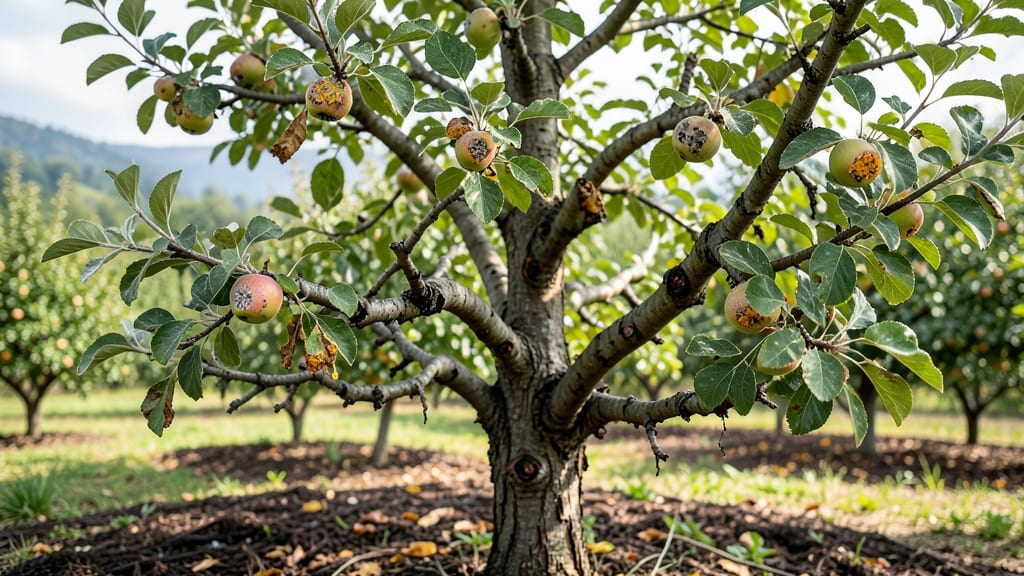
Apple tree diseases photos reveal the ugly truth behind those mysterious black spots and oozing cankers. 🌿 I’ve spent years studying these fungal blights—from the telltale rings of apple scab to the sunken wounds of fire blight—and I’m breaking down exactly what to look for, why it happens, and how to stop it before your tree’s health spirals.
The first step is recognizing the symptoms: curled leaves, sticky sap, or mushrooms sprouting at the base. Most diseases start with water or spores, so knowing the patterns lets you act fast. My 15-disease visual guide includes photos of each stage, so you’ll spot trouble before it spreads.
Once you identify the problem, solutions range from pruning infected branches to applying organic sprays. I’ll show you how to prune correctly, when to use fungicides, and which cultural fixes (like improving airflow) work best for your climate.
This isn’t just about saving your tree—it’s about growing apples that stay healthy, productive, and free of blight for years. Let’s get started with the visual clues you need.
Root Causes Of Apple Tree Ailments
Apple trees, like any living organism, are susceptible to diseases—but understanding why these issues arise is the first step to prevention. Most apple tree diseases stem from a mix of environmental stress, pathogen activity, and poor cultural practices.
Below, we break down the key factors that create the perfect storm for fungal infections, bacterial rot, and other common problems.
Fungal spores, bacteria, and viruses are always present in orchards, but they only become problematic when conditions favor their growth. Here’s how:
- 🍄 Fungal Spores Everywhere Many apple tree diseases—like Venturia inaequalis (apple scab) or Neonectria ditissima (canker)—rely on spores that overwinter in infected leaves, fruit mummies, or tree bark. When spring arrives, these spores germinate in moisture-rich environments, infecting new growth.
- 🦠 Bacterial Hitchhikers Bacteria such as Erwinia amylovora (fire blight) spread via rain, insects, or contaminated pruning tools. They exploit open wounds (from pruning, hail, or frost) to invade the tree’s vascular system.
- 🦠 Viruses: The Silent Saboteurs Viruses like apple mosaic or apple stem pitting spread through grafting, infected nursery stock, or sap-sucking insects (e.g., aphids). Once inside, they disrupt cell function, weakening the tree over time.
Pro Tip: 💡 Reduce pathogen load by removing fallen leaves, mummified fruit, and infected branches before spores spread. Sterilize pruning tools with 70% rubbing alcohol to block bacterial entry!
Apple tree diseases thrive in specific weather conditions. Here’s how climate plays a role:
- 💧 Excess Moisture = Fungal Feast
- Leaf Wetness: Diseases like apple scab and powdery mildew need 10+ hours of leaf wetness to infect. Rain splashing spores onto leaves or prolonged dew creates the ideal breeding ground.
- Heavy Rain: Can wash away protective wax coatings on leaves, making them vulnerable to Alternaria or Botryosphaeria infections.
- 🌡️ Temperature Sweet Spots
- Cool, Wet Springs (50–65°F): Perfect for Venturia inaequalis (apple scab) spores to germinate.
- Hot, Humid Summers (75–85°F): Accelerates bacterial growth (e.g., fire blight) and fungal spread (e.g., powdery mildew).
- 🌬️ Wind & Pollen Drift Wind disperses spores over long distances, while pollen from other trees can carry fungal contaminants. Poor air circulation in dense orchards traps humidity, worsening problems.
Pro Tip: 🌡️ Monitor your local weather forecasts and use fungal risk models (like those from Cornell) to time preventive sprays before infections take hold.
A stressed apple tree is like an open invitation for pathogens. Common stressors include:
- 🍃 Nutrient Deficiencies
- Nitrogen (N) Deficiency: Leads to thin, weak leaves—easier targets for fungal spores.
- Potassium (K) Deficiency: Reduces disease resistance; trees become more susceptible to canker and root rot.
- Zinc or Boron Shortages: Cause poor fruit set and cracked bark, creating entry points for bacteria.
- 💧 Overwatering or Drought Stress
- Waterlogged Soil: Promotes Phytophthora root rot by cutting off oxygen to roots.
- Chronic Drought: Weakens the tree’s immune response, making it vulnerable to Cytospora canker.
- 🪓 Physical Damage
- Improper Pruning: Cuts too close to the trunk or jagged wounds fail to heal, inviting Nectria or Agrobacterium (crown gall).
- Hail or Frost Injury: Bruised bark and broken branches create perfect entry points for pathogens.
Pro Tip: 💪 Conduct a soil test every 2–3 years and prune in dormant season (late winter) to minimize stress. Use 3-point pruning cuts to prevent tearing bark.
Even well-meaning actions can introduce or spread diseases:
- 🌿 Contaminated Tools or Clothing Moving from an infected tree to a healthy one with unsterilized pruners or boots can transfer spores or bacteria.
- 🐝 Pollinators & Pests
- Aphids & Leafhoppers: Spread viruses like apple mosaic.
- Bees & Wasps: Can carry fungal spores to new trees.
- 🍎 Poor Orchard Sanitation Leaving fallen fruit, leaf litter, or old mulch near the base of trees provides a nutrient source for pathogens to overwinter.
Pro Tip: ✨ Quarantine new trees for 1–2 years and inspect them for symptoms before planting. Remove and dispose of infected plant debris in sealed bags—do not compost!
By addressing these root causes—whether through proactive sanitation, smart pruning, or weather-aware care—you can drastically reduce the risk of apple tree diseases. Next, we’ll dive into how to identify these issues visually using our photo guide.
Fixing Apple Tree Fungal Woes
Fungal diseases can turn your thriving apple tree into a sad, spotted mess—but don’t panic! With the right tools and a little elbow grease, you can nurse your tree back to health and keep future outbreaks at bay.
Below, we’ve mapped out practical, step-by-step solutions for each common fungal foe, plus prevention tips to protect your harvest for years to come.
Cause: Venturia inaequalis thrives in wet, humid conditions, leaving your leaves and fruit covered in olive-green scabs. Fix It: 🔥 Prune for airflow – Remove infected branches (sterilize pruners with rubbing alcohol between cuts) to improve circulation. Aim for an open canopy. 🍳 Fungicide spray schedule – Apply copper fungicide or neem oil (1% solution) before buds swell in spring, then every 10–14 days during wet periods. For organic growers, baking soda spray (1 tbsp baking soda + 1 tsp oil + 1 gallon water) works too. 👨🍳 Clean up debris – Rake and compost or burn fallen leaves immediately after harvest to starve the fungus. 🌡️ Prevent recurrence – Plant resistant varieties like ‘Liberty’ or ‘Enterprise.’ Mulch with straw (not wood chips) to reduce soil moisture.
Cause: Podosphaera leucotricha coats leaves in a chalky film, stunting growth and reducing fruit quality. Fix It: 🔥 Spray with horticultural oil – Mix 1 tbsp neem oil + 1 tsp dish soap per gallon of water and apply every 7–10 days starting at petal fall. 🍳 Boost tree vigor – Deep-water trees during dry spells (powdery mildew loves stress). Fertilize with low-nitrogen, high-potassium feed (like 5-10-10) to strengthen defenses. 👨🍳 Remove infected foliage – Snip off heavily mildewed leaves and dispose of them in the trash (not compost). 🎯 Prevent next season – Space trees 10–12 feet apart for airflow. Avoid overhead watering—use drip irrigation instead.
Cause: Erwinia amylovora creates blackened, oozing cankers and wilting “shepherd’s crook” branches. Not fungal—but often confused with blight! Fix It: ⏰ Act FAST – Prune 6–12 inches below infected branches (the bacteria spreads upward). Dip pruners in bleach between cuts. 🔪 Disinfect wounds – Paint pruning cuts with pruning sealant or copper-based wound dressing to prevent reinfection. 💡 Bactericide spray – Use copper fungicide (effective against fire blight too) every 10 days during bloom. 🌡️ Prevent spread – Remove and burn all infected fruit and branches. Avoid wounding trees during wet seasons.
Cause: Gymnosporangium juniperi-virginianae jumps between apple trees and juniper or cedar trees, leaving orange gelatinous pustules. Fix It: 🔥 Remove nearby junipers – If possible, cut down or treat cedar/juniper hosts within 1 mile of your orchard (the spores travel far!). 🍳 Copper spray – Apply copper fungicide 3 times in spring (pre-bloom, petal fall, and post-bloom) to stop spore germination. 👨🍳 Rake up fallen leaves – Collect and compost or burn leaves with pustules to break the cycle. 🎯 Plant resistant varieties – Try ‘Liberty’ or ‘Akane’—they’re less susceptible to rust.
✨ Start with healthy soil – Test soil pH (aim for 6.0–6.5) and amend with compost to boost tree immunity. 🔥 Water at the roots – Early morning is best. Avoid wetting foliage to reduce humidity. 🌡️ Monitor weather – Fungal spores love 70°F + high humidity.
Set up a weather station or check forecasts to time sprays. 💪 Strengthen your tree – Balanced fertilization (too much nitrogen = weak defenses) and proper pruning keep trees resilient.
Pro Tip: 📊 Document your tree’s health each season with photos. Note when symptoms appear, weather conditions, and treatments—it’ll help you spot patterns and adjust your strategy!
Frequently asked questions
How do I know if my apple tree disease is fungal or bacterial?
Fungal diseases often show up as spots, powdery coatings, or rust-colored pustules on leaves or fruit. Look for fuzzy growth (like powdery mildew) or dark, scabby lesions (apple scab). Bacterial infections, however, create oozing cankers, blackened branches, or wilting "shepherd's crook" twigs—often with a foul smell. Fire blight is the most common bacterial threat.
Can I use regular household items to treat apple tree diseases?
Yes! For mild cases, try a baking soda spray (1 tbsp baking soda + 1 tsp oil + 1 gallon water) for fungal issues like powdery mildew. Neem oil (1% solution) works well against scab and rust. Always test small areas first. For bacterial problems, copper-based sprays (available at garden centers) are your best bet—household items won't cut it.
Why do some apple trees get diseases while others in the same yard stay healthy?
Healthy trees resist diseases better due to genetics, proper spacing, and care. Trees with poor airflow (crowded together) or nutrient deficiencies are prime targets. Even slight differences in soil pH, watering habits, or pruning practices can make one tree more vulnerable. Resistant varieties like 'Liberty' or 'Enterprise' also play a huge role in disease prevention.
How often should I inspect my apple tree for diseases?
Check your tree every 2 weeks during growing season (spring through fall). Focus on new growth, leaves, and fruit—these show symptoms first. After heavy rains or extreme weather, inspect immediately. Keep a journal with photos to track changes over time. Early detection is key to stopping outbreaks before they spread!
Is it safe to compost leaves from diseased apple trees?
No, never compost infected leaves or fruit! Fungal spores and bacterial pathogens survive composting, creating a breeding ground. Instead, bag infected debris in sealed plastic and dispose of it in the trash. For severe cases, burning (when legal) is the safest option to break the disease cycle completely.