
Container Gardens
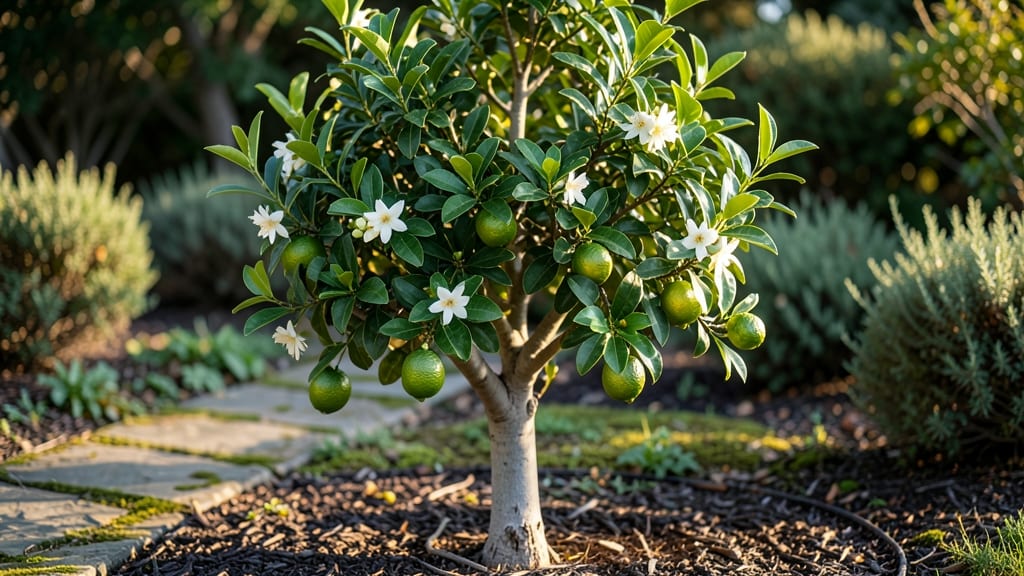
The yuzu tree growing zone spans USDA hardiness zones 8 through 11, where warm winters and frost-free conditions create ideal growing environments. These zones provide the stable temperatures yuzu trees need to thrive and produce fruit.
Yuzu trees are tropical citrus relatives, so they struggle when temperatures dip below 20°F (-6°C). 🌿 Unlike hardier citrus like lemons, yuzu trees can't tolerate even light frosts—their leaves and branches will burn, and the tree may die back.
In zones 7 or cooler, gardeners often grow yuzu in containers to move them indoors during winter or use microclimate strategies like windbreaks and mulch to protect roots. Even a few degrees of extra warmth can make a huge difference in fruit production.
If you're in a marginal zone, consider planting near south-facing walls or using row covers to trap heat. The key is mimicking the yuzu's natural subtropical habitat—consistent warmth and protection from cold snaps. With the right care, you can still grow yuzu successfully even outside its ideal range!
💡 In This Article
- Understanding Yuzu Tree Cold Tolerance Limits
- Creating Ideal Microclimates for Yuzu Trees in Marginal Zones
Understanding yuzu tree cold tolerance limits
Yuzu trees belong to the Rutaceae family, sharing genetic traits with lemons and oranges, but their cold sensitivity stems from their subtropical origins in Japan and Korea.
The tree's cellular structure lacks the antifreeze proteins found in hardier citrus varieties like Satsuma mandarins (Citrus unshiu), which can survive brief dips to 15°F (-9°C).
Instead, yuzu's leaves contain delicate chlorophyll that freezes and ruptures at 28°F (-2°C), causing irreversible damage. 🌱 This is why even a light frost can kill new growth and reduce fruit yield by up to 70% in subsequent seasons.
The real danger lies in temperature fluctuations rather than steady cold. When daytime temperatures rise above 60°F (15°C) but nights drop below 40°F (4°C), yuzu trees experience cold shock—a metabolic stress that disrupts photosynthesis and nutrient transport.
Studies show that prolonged exposure to 32°F (0°C) or lower causes the tree's vascular system to clog with ice crystals, starving branches of water and nutrients. Unlike citrus like kumquats, which can recover from mild cold damage, yuzu trees often suffer permanent dieback in their canopy.
Fruit production takes a particularly hard hit when temperatures dip below 30°F (-1°C) during flowering. Yuzu blossoms are highly sensitive to cold, and even a single night below this threshold can cause 50-80% blossom drop, directly translating to fewer fruits.
The tree's energy reserves also deplete faster in cold climates, as it diverts resources to survival rather than growth. This explains why commercial yuzu orchards in USDA zone 9 (like those in California's coastal regions) produce 30-50% more fruit annually than those in marginal zones.
Comparing yuzu to other citrus highlights its fragility: lemon trees (Citrus limon) tolerate 20°F (-6°C) with protection, while orange trees (Citrus sinensis) can handle 25°F (-4°C) in ideal conditions.
Yuzu's lack of cold acclimation means its roots, which are even more vulnerable than the canopy, begin to suffer at 28°F (-2°C). The tree's shallow root system—typically within 12-18 inches of the surface—absorbs heat poorly, making it susceptible to soil temperature swings. 🌡️
To understand the impact, consider this: a yuzu tree in zone 10 (like Miami) may produce 50-100 fruits per year, while one in zone 8b (like Los Angeles) might yield only 10-20 fruits due to winter stress.
The difference lies in the tree's ability to maintain consistent metabolic activity. In warmer zones, yuzu trees photosynthesize year-round, whereas in cooler zones, they enter a semi-dormant state, conserving energy but reducing growth and fruiting potential.
What most gardeners overlook is how humidity interacts with cold tolerance. Yuzu trees thrive in 60-80% humidity, but dry winter air accelerates moisture loss from leaves, making them more susceptible to frost damage.
In arid climates like zone 9a, even protected yuzu trees may struggle unless misting systems or windbreaks are used to maintain moisture levels. This is why coastal regions—where ocean breezes moderate temperatures and humidity—are ideal for yuzu cultivation.