
Diseases
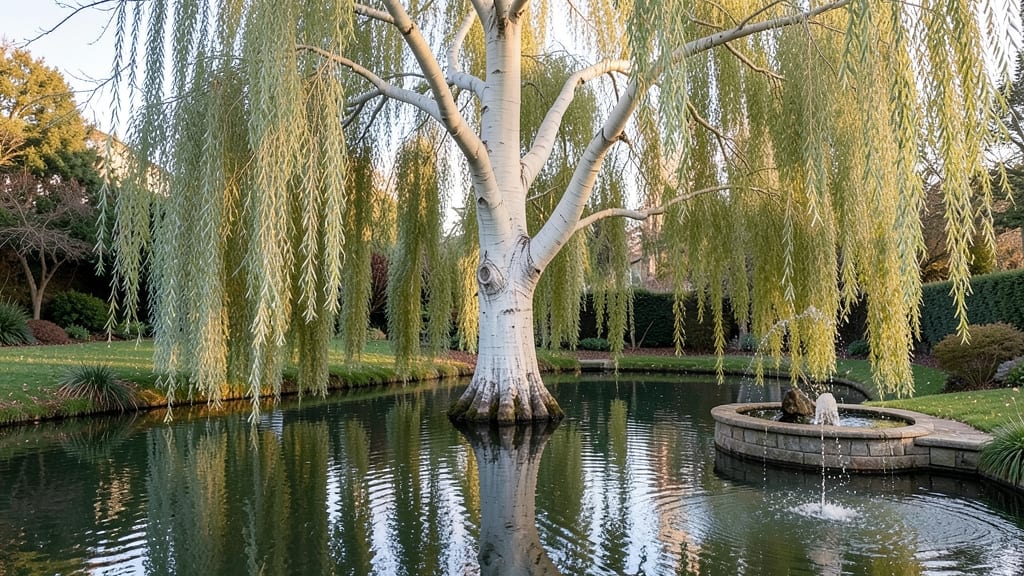
Transform your landscape with these 10 stunning white-barked trees that add dramatic contrast and modern elegance. Perfect for urban gardens, minimalist yards, or bold statement plantings, these trees create visual impact year-round.
Paper Birch Trees for Winter Sparkle
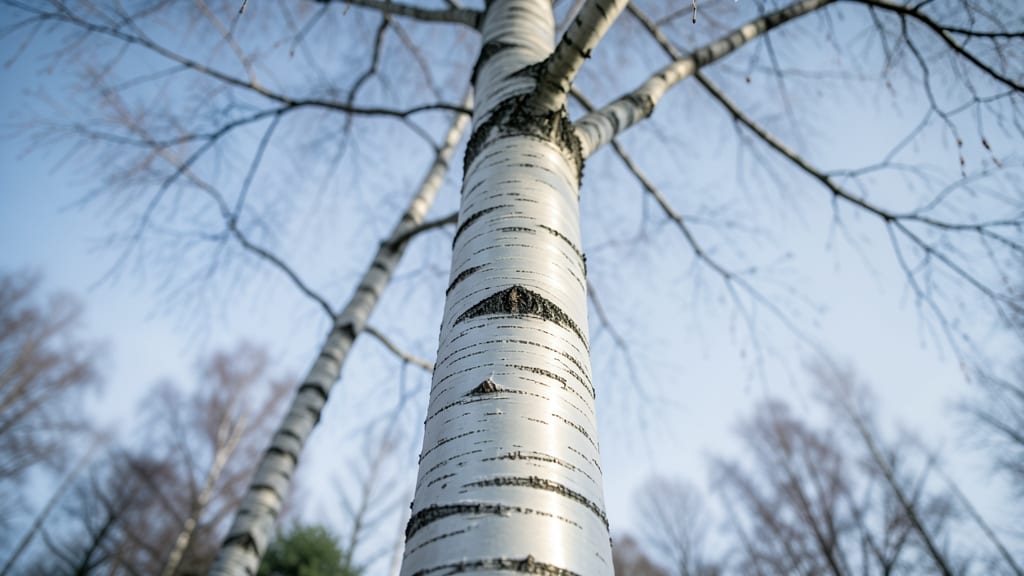
When winter strips most plants bare, paper birch trees stand out like beacons with their glowing white bark that peels naturally into intricate patterns. Their striking vertical lines create a mesmerizing effect when sunlight hits them at an angle, turning your garden into a winter wonderland.
These trees thrive in full sun to partial shade and prefer well-drained soil, making them perfect for woodland edges or open spaces. Their fast growth rate (up to 2 feet per year) means you’ll see dramatic results quickly, while their drought-tolerant nature makes them low-maintenance once established. The bark’s natural peeling process adds texture and visual interest year-round.
Perfect for gardeners who love seasonal contrast, paper birches are especially stunning when planted near evergreens or dark foliage. Their ethereal glow makes them a focal point in any landscape. 🌟
Himalayan Birch with Unique Bark Texture
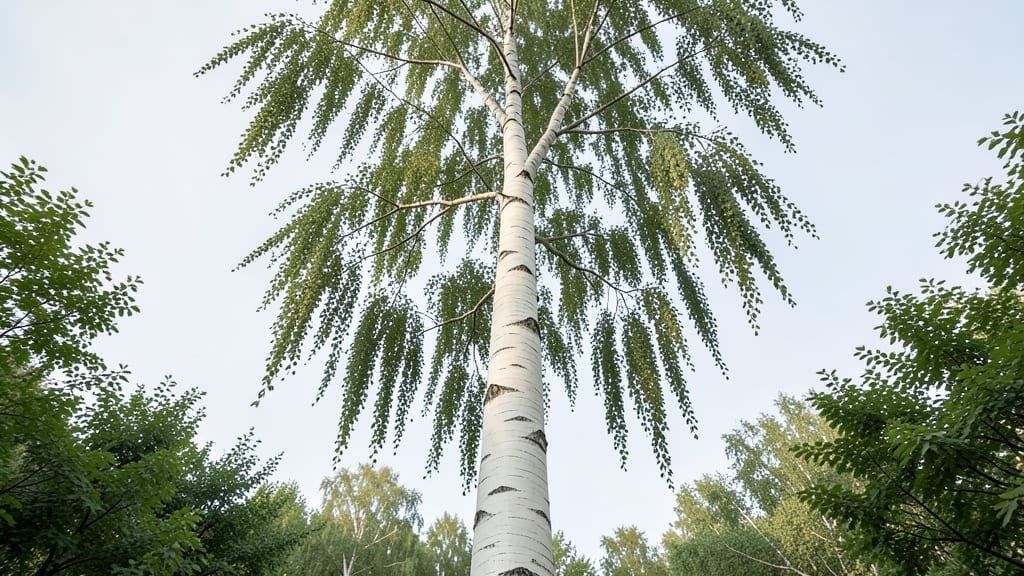
Looking for a white-barked tree that brings modern sophistication to your garden without the rugged charm of paper birch? The Himalayan birch (Betula utilis var. jacquemontii) delivers sleek, smooth bark with delicate horizontal lines, creating a clean, architectural look that complements contemporary landscapes.
Unlike its peeling cousin, this birch variety features whiter, more uniform bark that maintains its pristine appearance for years. It thrives in USDA zones 3-7, making it ideal for cold climates where winter interest is key. Plant it as a standalone specimen or pair it with dark foliage plants to enhance its striking contrast.
Perfect for gardeners who love minimalist aesthetics or urban spaces with limited room, this tree adds year-round visual appeal with minimal fuss. Its slow, steady growth ensures it won’t outgrow its space quickly. 💚
Whitebeam Trees for Urban Gardens
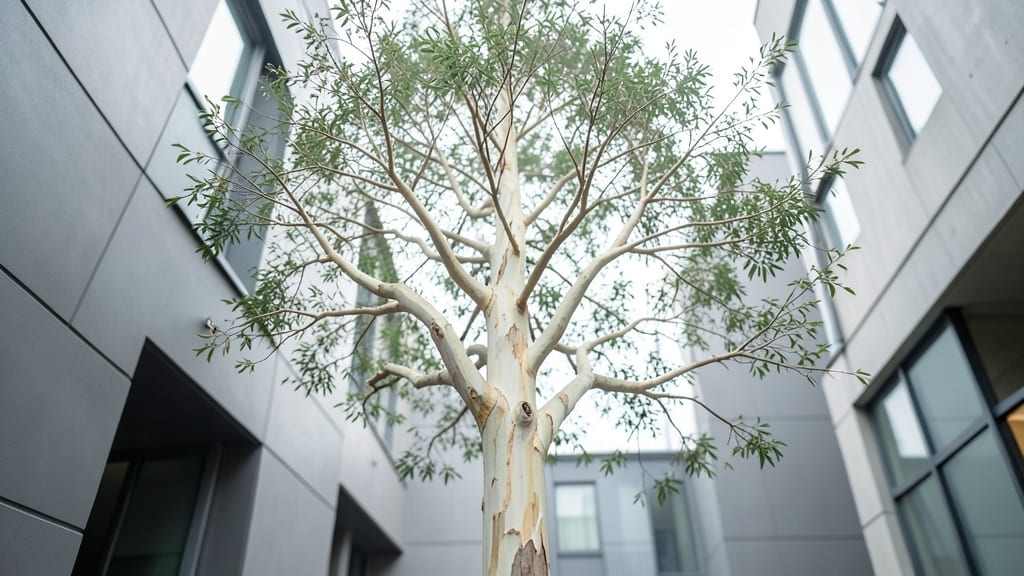
If you're looking for a white-barked tree that fits seamlessly into tight urban spaces without sacrificing beauty, whitebeam trees are the perfect solution. Their compact size (typically 15–30 feet tall) and delicate, exfoliating bark create a stunning contrast against modern architecture or small yards.
These trees thrive in partial shade to full sun and tolerate a wide range of soil types, making them low-maintenance stars for city gardens. Some varieties, like Sorbus aria or Sorbus aucuparia, even produce edible berries—adding a functional bonus to their ornamental appeal. Plant them near patios or walkways to enjoy their fragrant spring flowers and vibrant fall foliage.
Urban gardeners and small-space enthusiasts will love how whitebeams bring year-round interest with minimal footprint. Their adaptability and dual-purpose beauty make them a standout choice. 🌿
Ghost Tree with Ethereal Appearance
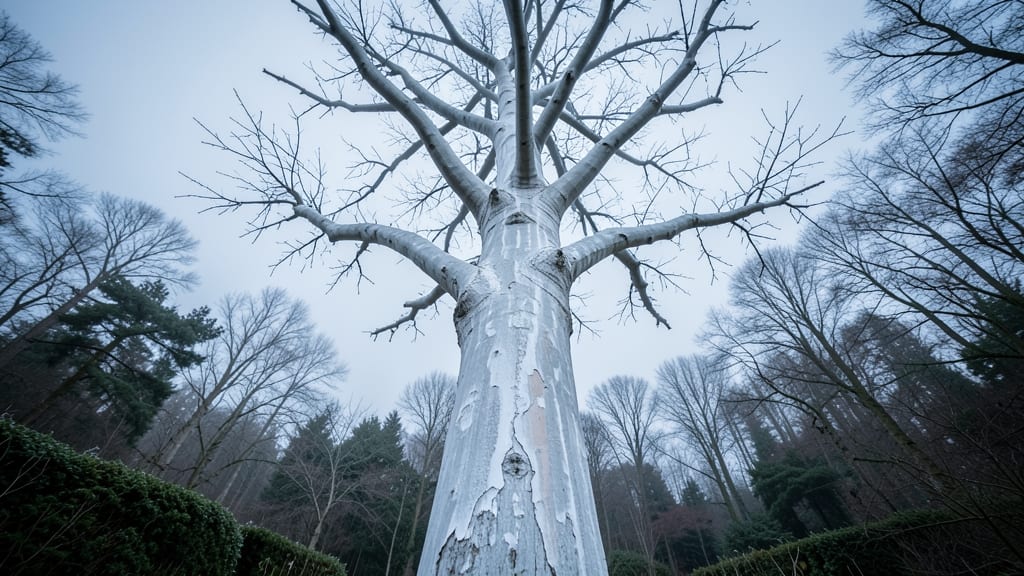
Step into a fairy tale with the ghost tree, whose nearly translucent white bark resembles moonlight on snow. This rare specimen isn’t just visually stunning—it’s a living work of art that transforms your garden into a mystical retreat.
Native to the Appalachian Mountains, ghost trees thrive in partial shade to full sun and well-drained, acidic soil. Their bark’s ethereal glow intensifies in moonlight, making them ideal for garden paths or as a dramatic focal point near water features. While they’re slow-growing, their unmatched visual drama makes them worth the wait for gardeners chasing whimsical aesthetics.
Perfect for fantasy lovers, woodland gardeners, or anyone craving a tree that feels straight out of a storybook. 🌿
Silver Birch Varieties for Fast Growth
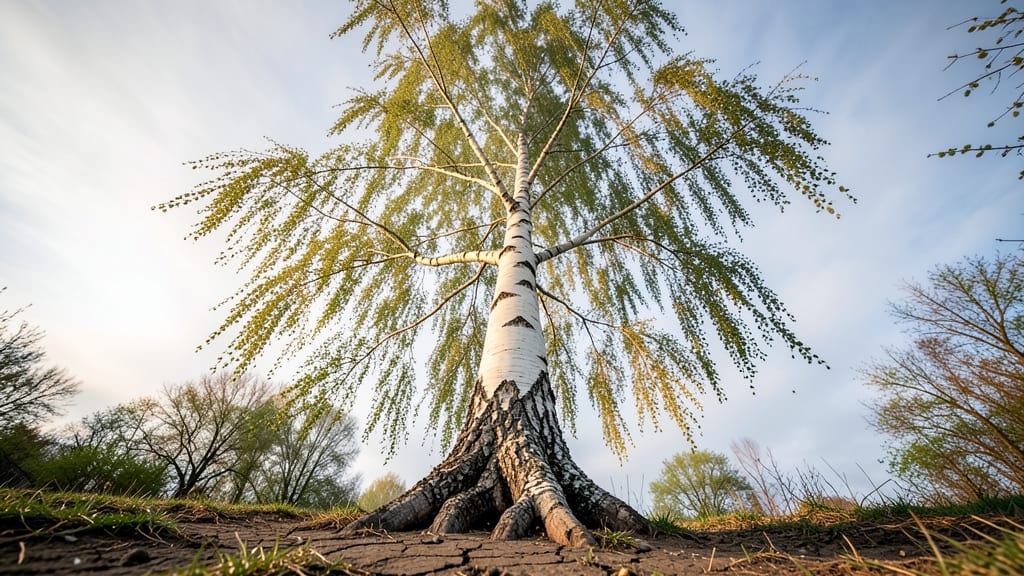
Need instant landscape drama without the decades-long wait? Silver birch varieties grow aggressively—some reaching 3-4 feet per year—so you’ll see striking white bark features in just a few seasons. These trees thrive in full sun to partial shade and handle poor, dry soils better than many ornamental trees.
Varieties like Betula pendula 'Youngii' (fast-growing with golden foliage) or Betula utilis var. jacquemontii (Himalayan silver birch) create bold vertical accents while requiring minimal pruning. Their peeling bark remains vibrant even in winter, making them low-maintenance stars for large properties or woodland edges.
Perfect for landowners who want quick impact with drought-tolerant, high-contrast trees that age beautifully. 💪
Striped Maple with White Bark Accents
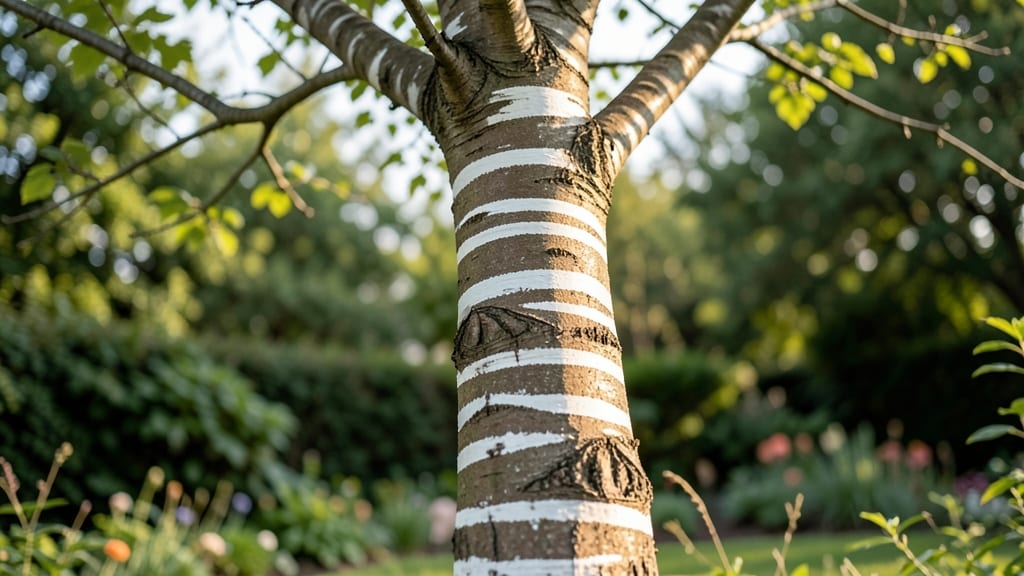
Looking for a tree that adds artistic flair to your garden without dominating the space? The striped maple (Acer pensylvanicum) delivers bold horizontal white stripes on its bark, creating a natural zebra-like pattern that catches the eye from any angle. Unlike its larger maple cousins, this hybrid stays compact—ideal for modern urban gardens where space is limited.
This drought-tolerant tree thrives in partial shade to full sun and reaches just 15-20 feet tall, making it perfect for mixed borders or even large containers. Its autumn foliage turns fiery red-orange, adding seasonal contrast to the white bark. The striped pattern becomes more pronounced as the tree matures, offering year-round visual interest with minimal maintenance.
Urban gardeners and small-space planners will love how this tree blends contemporary design with natural beauty. Plant it near patios or walkways to showcase its striking bark up close. 🌟
Cherry Bark Maple for Year-Round Interest
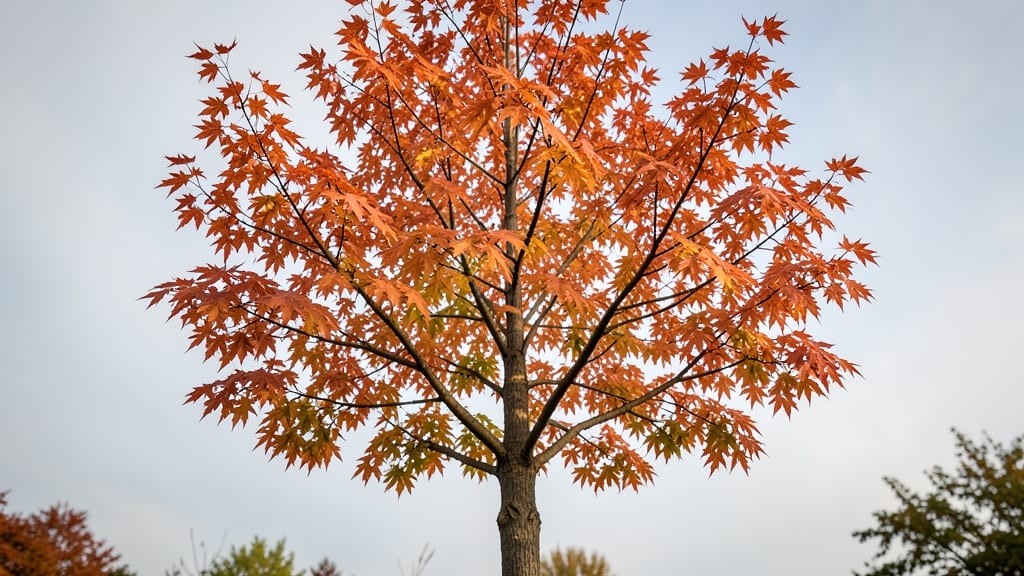
Looking for a tree that delivers year-round visual appeal without dominating your space? The Cherry Bark Maple (Acer griseum) is your answer—its peeling cinnamon-red bark reveals stunning white underlayers, creating a striking contrast that shines in every season.
This compact tree (reaching 20-25 feet tall) thrives in full sun to partial shade and handles urban pollution better than many ornamental trees. Its brilliant orange-red fall foliage adds seasonal drama, while its slow growth habit makes it ideal for modern landscapes where space is limited. Prune lightly in late winter to maintain its picturesque shape.
Perfect for gardeners who want low-maintenance elegance in small yards, courtyards, or as a focal point in minimalist designs. Its unique bark texture and seasonal color shifts make it a standout choice for those who love textural contrast without the upkeep of larger trees. 🌻
White Mulberry Trees for Edible Landscaping
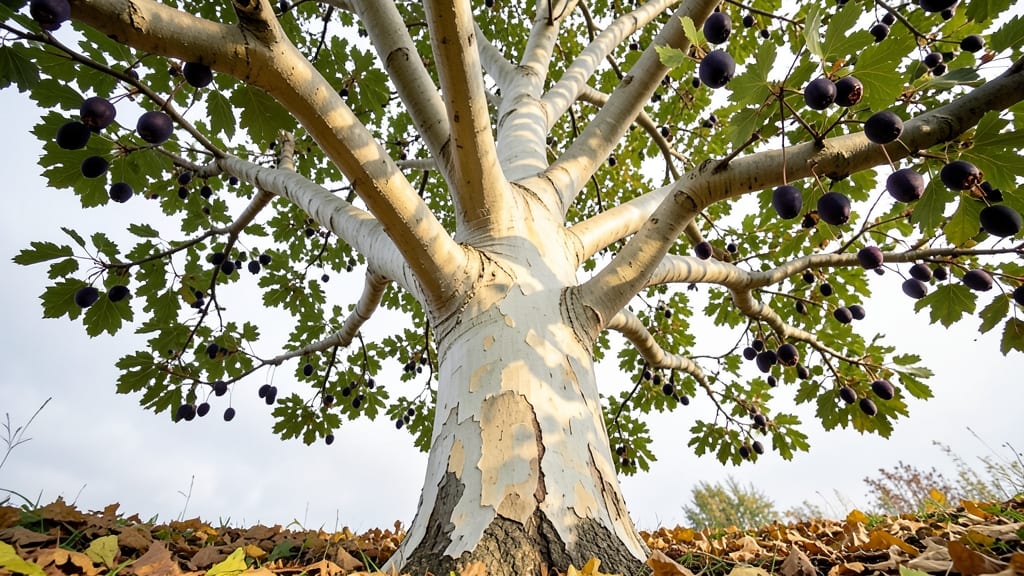
Want a tree that doubles as both a stunning landscape feature and a food source? The white mulberry delivers on both fronts with its fast growth, striking white bark, and delicious fruit. Unlike purely ornamental trees, this versatile species offers practical benefits for permaculture enthusiasts and homesteaders.
Young white mulberry trees develop smooth gray bark that gradually turns creamy white as they mature, creating a beautiful contrast against their lush green foliage. They thrive in USDA zones 5-9 and tolerate a wide range of soil types, making them adaptable for many climates. The edible fruit ripens in late summer, producing clusters of dark purple berries that are rich in antioxidants and perfect for fresh eating, jams, or drying.
This tree is ideal for permaculture gardens or properties seeking both beauty and utility. Its rapid growth means you'll enjoy shade and wildlife benefits within just a few years, while the fruit provides a sustainable food source. 🌱
Japanese Snowbell Tree Varieties
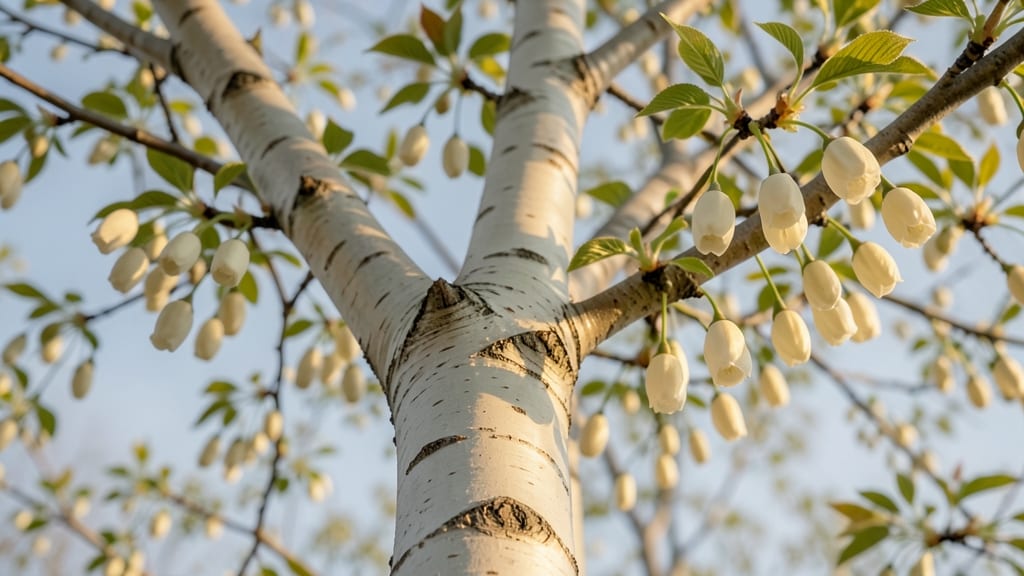
If you're drawn to trees that offer more than just visual appeal, the Japanese Snowbell Tree (Styrax japonica) delivers a sensory experience with its fragrant, bell-shaped flowers that bloom in late spring. Unlike other white-barked trees, this variety starts with a delicate white bark that gracefully transitions to a sophisticated silver-gray as it matures, adding depth to your garden.
Thriving in USDA Zones 5-8, this tree prefers partial shade to full sun and well-drained soil. Its compact size (20-30 feet tall) makes it ideal for smaller gardens or as a focal point in mixed borders. The fragrant flowers not only attract pollinators but also fill the air with a sweet, subtle scent that elevates your outdoor experience.
Perfect for gardeners who appreciate both beauty and fragrance, the Japanese Snowbell Tree is a standout choice for those seeking a tree with year-round interest beyond just its bark. 🌷
White Trunk Willow for Water Features

Want to create a mirror-like effect in your water garden? The white trunk willow delivers a stunning visual contrast with its snow-white bark, perfectly reflecting light and water surfaces. This versatile tree thrives near ponds, streams, or even small fountains, becoming a natural centerpiece.
Plant it in moist, well-drained soil along the water’s edge, where its arching branches can cascade gracefully. The bark remains vibrant year-round, while its fast growth (up to 3 feet annually) quickly fills empty spaces. Prune lightly in late winter to maintain shape and encourage dense foliage.
Ideal for landscapers seeking drama or homeowners with water features, this willow adds seasonal interest without the high maintenance of other ornamental trees. 💚