
Plants
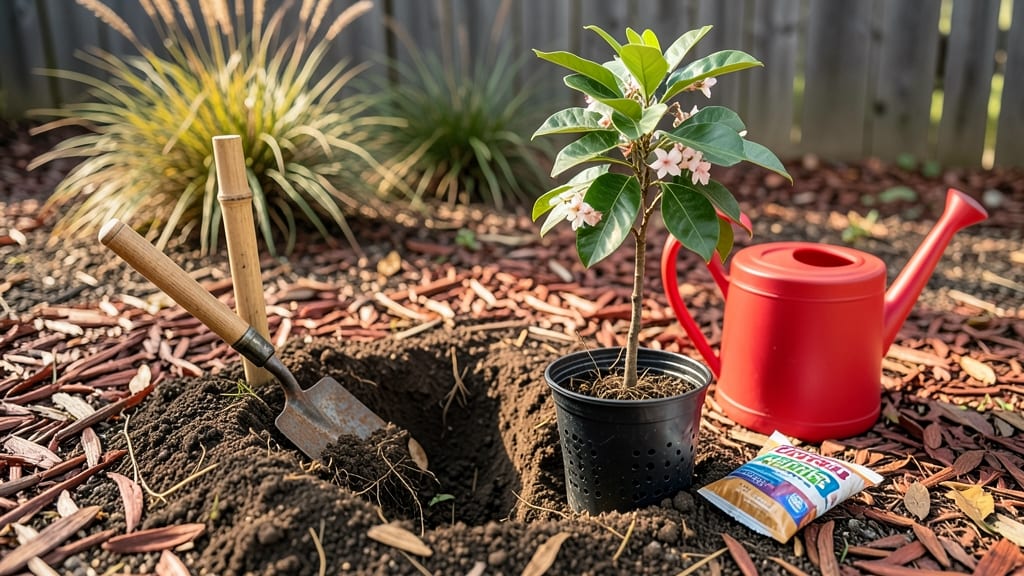
Planting your mango tree 🥭 in the ground at the right time sets the stage for a tree that bears fruit in half the usual time—and skipping that window can leave you waiting years for those sweet rewards.
If you’ve ever watched a mango tree struggle through a cold snap or bolt up too fast in scorching heat, you know timing is everything. The difference between a thriving orchard and a sad, stunted sapling often comes down to when you put it in the soil—not just where.
For most of the U.S., the best window to plant a mango tree is late winter or early spring, when soil temperatures hit 60°F+ and frost is a fading memory.
But if you’re in Zone 9b or cooler, you’ll need to wait until after the last frost—usually around February or March—to avoid shocking the roots.
Below, I’ll break down the exact months by climate zone, how to prep your soil for faster growth, and the one mistake that kills mango trees before they even take root.
Best planting months for mango trees by USDA climate Zone
Mango trees thrive in warm climates, but the perfect planting window depends entirely on your USDA zone and regional microclimate. In Zones 10-11, you can plant year-round, but timing still matters for root establishment and fruit production.
Meanwhile, gardeners in Zone 9b must time planting carefully to avoid winter chill damage—a common mistake that stunts growth.
For bare-root saplings, the ideal soil temperature is 60°F or warmer, which aligns with late winter in most subtropical regions. Container-grown trees offer more flexibility, letting you plant even during summer months as long as you provide consistent moisture and shade acclimation.
Let’s break down the best months for each zone to ensure your mango tree gets off to a strong start.
In Zone 9b, like Florida’s Orlando or Tampa, the last frost date typically falls around mid-January, making February–March the sweet spot for planting. This window ensures roots establish before summer heat arrives.
If you’re in Zone 10a, such as Miami, you can plant year-round, but February–April still offers the best balance of soil warmth and rainfall.
California’s Zone 10b, including San Diego and Los Angeles, benefits from a two-season planting window: March–May for spring growth and September–November to avoid summer’s intense heat. Container-grown trees here can even be planted in winter, but they’ll need extra protection from coastal winds.
For tropical Zone 11—think Hawaii or Puerto Rico—planting is year-round, but May–September aligns with the wet season, reducing irrigation needs.
Regional variations matter too. In Florida, hurricane season (June–November) can delay planting, while California’s coastal fog may require sun exposure adjustments. Hawaii’s high humidity demands vigilance against fungal diseases like anthracnose.
Always check your local extension office for microclimate specifics—even within the same zone, elevation and urban heat islands can shift ideal planting dates by weeks.
For bare-root trees, prioritize planting when the ground isn’t waterlogged. In Zone 9b–10a, this often means waiting until soil temperatures hit 60°F+, which typically occurs in late February.
Container-grown trees, however, adapt better to summer planting if you pre-water the root ball and provide afternoon shade for the first 2–3 weeks to reduce transplant shock.
One common mistake is planting too early in cooler zones, like Zone 9b, where a late frost can kill young roots. Another is ignoring soil drainage—mango trees hate soggy roots.
Amend heavy clay with compost or sand to improve aeration. If your area has poor drainage, consider a raised bed or mound to elevate the root zone.
Pro tip: If you’re in a marginal zone like Zone 9b, opt for dwarf varieties like ‘Cogshall’ or ‘Julie’, which tolerate slightly cooler temps. These varieties also fruit faster—often within 3–5 years—compared to 10+ years for standard-sized trees.
Pair your planting with a 3-inch layer of mulch to retain moisture and regulate soil temperature.
Remember, the first year
Signs your soil and climate are ready for mango planting
Before digging that hole for your mango tree, check if your soil temperature and microclimate are truly ready. Mangoes thrive when soil stays above 60°F—cold soil slows root growth and stresses young plants.
I’ve learned the hard way that planting too early in Zone 9b can leave trees vulnerable to root rot from lingering chill. Start by testing your soil’s warmth with a soil thermometer—aim for 65°F+ at 6 inches deep.
Your sunlight exposure is equally critical. Mango trees demand 6+ hours of direct sun daily, but coastal areas with salty winds or urban heat islands can create tricky microclimates. Observe your yard’s sun patterns for a full week—shade from buildings or palm trees can reduce light by 30-50%.
If your spot gets afternoon shade, consider a dwarf variety like 'Cogshall' that tolerates slightly less sun.
- Test 60°F+ at 6" depth with a thermometer
- Wait until spring frost risk passes (after Jan 15 in Zone 9b)
- Use black plastic mulch to warm soil faster in cool zones
- Minimum 6 hours direct sun (8+ for faster fruiting)
- South-facing walls increase heat by 10-15°F
- Coastal areas may need windbreaks to prevent salt damage
- Soil should feel moist but not soggy 2" below surface
- Drainage test: Poke a hole—water should drain in 1-2 hours
- Avoid planting after heavy rains (risk of waterlogged roots)
Don’t overlook your local microclimate. Urban areas can be 5-10°F warmer than rural zones due to heat islands, while coastal regions benefit from moderating ocean breezes. If you’re in Zone 9b, protect young trees with burlap windbreaks or move potted trees indoors during December-January.
I once lost a sapling in San Diego because I underestimated the Santa Ana winds—they desiccated the leaves faster than I could water!
Finally, prepare your planting site 2-3 weeks ahead. Work in 2-3 inches of compost and a balanced fertilizer (6-6-6 NPK) to give roots a nutrient boost. For heavy clay soil, mix in coarse sand or perlite to improve drainage.
Pro tip: Plant during a light rain or water thoroughly after planting—this helps settle soil around roots without displacing them.
When all these signs align—warm soil, full sun, and proper drainage—your mango tree will establish roots 30-50% faster and start flowering sooner. The key is patience: Wait for the perfect window, and you’ll skip years of stunted growth.
Trust me, those first juicy mangoes make the wait worth it! 🌱🥭