
Container Gardens
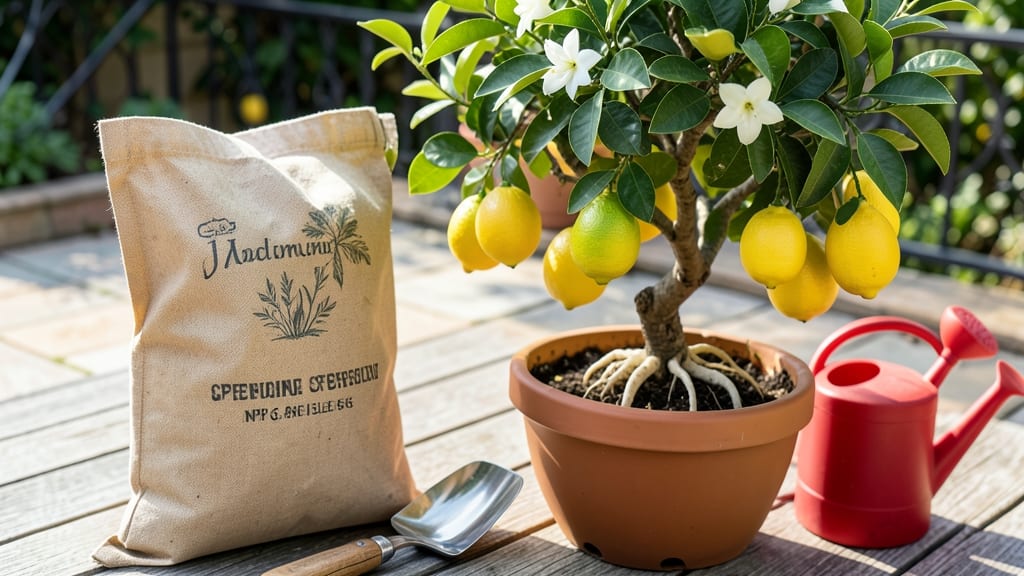
To fertilize a lemon tree in pot, time it with the spring flush and summer growth—skipping winter entirely is the key to avoiding root burn.
Picture this: Your 🍋 lemon tree is thriving, but suddenly the leaves yellow, then drop. That’s often a sign you fed it at the wrong time—or overdid it. The right schedule keeps your citrus happy without stressing the roots.
Most potted lemon trees need feeding every 4–6 weeks from March through September, with lighter doses in early spring and late summer. Indoor trees? They follow the same rules, but their slower growth means you’ll adjust the frequency.
Below, I’ll break down the exact months to fertilize, how to test your soil for hunger cues, and the best fertilizer types for potted citrus—plus the one mistake that kills more trees than underwatering.
Best months to fertilize a potted lemon tree for optimal growth
Timing your lemon tree fertilizer is just as important as choosing the right product. Potted lemon trees need a seasonal feeding schedule that aligns with their natural growth cycles.
Unlike in-ground trees, container-grown citrus has limited root space, so precise timing prevents over-fertilization while maximizing nutrient uptake during active growth phases.
Most gardeners make the mistake of fertilizing year-round, but lemon trees actually enter dormancy in winter—a period when feeding should stop completely. Understanding your USDA hardiness zone also shifts the ideal timing.
For example, Zone 9 gardeners might fertilize in January, while Zone 6 growers wait until April after last frost. Let's break down the perfect schedule month by month.
🌱 Key Takeaway: Fertilize potted lemon trees every 4-6 weeks during active growth (spring-fall) and skip entirely during winter dormancy.
| Season | Months | Fertilizer Action | Frequency | Key Growth Phase |
|---|---|---|---|---|
| Spring | March-April | Light Feed | Every 6 weeks | New leaf growth |
| May | Full Feed | Every 4 weeks | Flowering begins | |
| Summer | June-August | Full Feed | Every 4 weeks | Fruit development |
| September | Light Feed | Every 6 weeks | Pre-winter prep | |
| Fall | October-November | None | N/A | Dormancy begins |
| Winter | December-February | None | N/A | Full dormancy |
Spring is the most critical time to fertilize your lemon tree. After winter dormancy, your tree needs a light feeding in March to stimulate new growth. Use a balanced citrus fertilizer with 6-6-6 NPK ratio—this encourages strong root development without overwhelming the plant.
For potted trees, I always halve the recommended dose since container soil holds less nutrients than garden beds.
During summer months (June-August), switch to a full-strength feed every 4 weeks. This supports fruit production and maintains vibrant foliage. Water thoroughly before fertilizing to prevent root burn. I've found that morning application gives roots time to absorb nutrients before the heat of the day.
For indoor potted lemon trees, reduce feeding to every 6 weeks since they grow slower due to limited light.
Fall fertilization should be light and strategic. In September, give your tree one final light feed to help it store nutrients for winter. By October, stop fertilizing completely—your lemon tree is entering dormancy and won't benefit from additional nutrients.
This is when many gardeners make the mistake of continuing to feed, which can lead to over-fertilization and salt buildup in container soil.
Winter care is all about rest and patience. Lemon trees in USDA Zones 8-10 may need minimal winter watering, but skip fertilizer entirely. For Zone 7 and colder, move potted trees indoors or to a protected location where temperatures stay above 40°F.
The key is to let your tree recharge naturally—this dormant period is when it builds energy for next year's growth spurt.
Climate zone adjustments are crucial. In warmer zones (9-11), you can fertilize throughout the year with a light feed every 8 weeks in winter. For cooler zones (6-8), extend your winter dormancy period to 10-12 weeks.
I've seen potted lemon trees in Zone 6 thrive with a March-May feeding schedule and complete winter hiatus. Always monitor your tree's leaf color and growth rate—these are better indicators than calendar months.
Pro tip: Flush container soil with water every 3-4 months to prevent salt buildup from fertilizers. This is especially important for potted lemon trees, which have no natural drainage like in-ground plants.
I use a weak vinegar solution (1:10 ratio) once a year to help break down mineral deposits without harming the tree.
💡 Remember: The best fertilizer schedule is one that matches your lemon tree's actual growth patterns, not just seasonal norms. Pay attention to new leaf flushes, flower buds, and fruit set—these are your tree's way of telling you when it's hungry for nutrients!
How to test soil & recognize fertilizer triggers for potted lemon trees
Your potted lemon tree 🍋 sends subtle signals when it’s hungry for nutrients. Ignoring these cues can lead to stunted growth or poor fruit production. The key is learning to read your tree’s leaf color, root condition, and soil health—all signs that tell you when to fertilize.
Let’s break down the most reliable indicators so you can keep your citrus thriving.
First, check for yellowing leaves between the veins, a classic sign of nitrogen deficiency. If the older leaves turn yellow while new growth stays green, your tree needs a balanced fertilizer.
Another red flag is small, sparse leaves or leaves that develop brown edges—both point to nutrient imbalances. These visual cues often appear before your tree’s growth slows noticeably.
🌱
Never fertilize a root-bound lemon tree or one with dry, crusty soil. Before adding fertilizer, check if roots circle the pot’s bottom—if they do, repot first. Also, avoid fertilizing when your tree shows leaf burn (brown patches) or wilting, as these signal stress, not hunger.
🌿
Next, test your soil’s pH level—lemon trees thrive in slightly acidic soil (pH 6.0–7.0). Grab a soil pH test kit (available at garden centers) and follow the instructions. If your soil tests too alkaline (pH above 7.0), your tree may struggle to absorb nutrients, even with fertilizer.
In this case, amend the soil with sulfur or peat moss before feeding.
Don’t overlook root-bound signs like roots growing out of drainage holes or soil drying out too quickly. When roots outgrow their space, they compete for nutrients, making fertilization less effective.
If you spot these signs, repot into a larger container with fresh soil before adding fertilizer. This ensures your tree can absorb nutrients properly once you start feeding.
Finally, watch for slow growth or fewer blooms—both indicate your lemon tree isn’t getting enough nutrients. If your tree’s branches grow only a few inches in a season or flowers drop without setting fruit, it’s time to fertilize.
Use a citrus-specific fertilizer with a balanced NPK ratio (like 6-6-6) to address these issues without overloading the plant.
By tuning into these visual and soil-based triggers, you’ll fertilize your potted lemon tree at the perfect moments—boosting growth, fruit production, and overall health. Start with a soil test, then adjust your feeding schedule based on what your tree’s leaves and roots tell you. 🪴