
Blooming
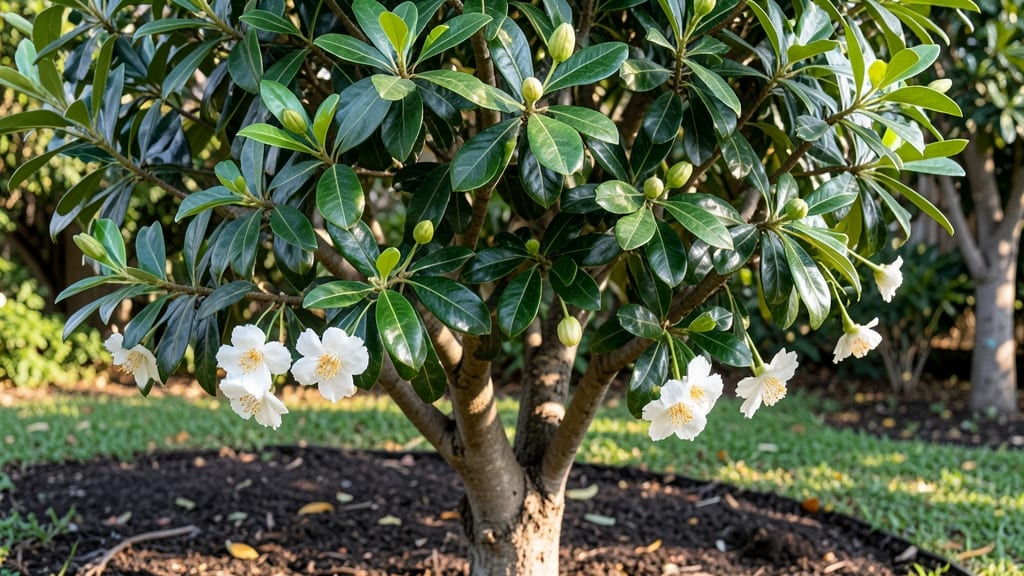
A guava tree blooms when conditions align—typically in spring and fall for subtropical zones, but year-round in tropical climates like Florida or India 🥝.
If you've ever wondered why your guava tree isn't bearing fruit—or when to expect those sweet, fragrant blooms—understanding its natural flowering cycle is the key to year-round harvests.
In warmer climates, blooms appear almost continuously, while cooler regions see peaks in spring and fall. The right mix of sunlight, water, and nutrients can even coax extra flowers in off-seasons.
Below, I’ll break down how to spot early blooms, adjust care for optimal flowering, and troubleshoot if your tree stays stubbornly bare.
Guava tree blooming seasons by climate Zone: tropical vs temperate
Understanding your guava tree's blooming cycle starts with your local climate zone. Unlike many fruit trees, guavas adapt beautifully to tropical, subtropical, and even some temperate conditions—but their flowering patterns shift dramatically based on temperature and daylight hours.
In USDA Zones 10-12, where frost is rare, you might enjoy year-round blooms, while gardeners in California's coastal regions or Florida's heat islands experience two main flushes annually.
For those in tropical climates like India, Southeast Asia, or Hawaii, guava trees often bloom continuously, with peak production during warmer months (March-September). This creates a rolling harvest window that can last nearly 12 months.
Meanwhile, in subtropical zones like southern Florida or coastal California, blooms typically peak in spring and fall, aligning with mild temperature shifts and increased daylight.
In temperate climates (like Zone 9b or cooler), guava trees struggle to bloom reliably unless protected from frost. Even then, flowering is limited to summer months (June-August) when heat and humidity create ideal conditions.
Young trees in cooler microclimates may take 2-3 years to produce flowers, while mature trees in tropical zones can bloom within 12-18 months of planting.
| Climate Zone | Primary Blooming Seasons | Secondary Blooms (If Any) | Regional Examples | Key Environmental Triggers |
|---|---|---|---|---|
| Tropical (Zones 10-12) | Year-round (peaks March-Sept) | Minimal seasonal variation | India, Southeast Asia, Hawaii, Puerto Rico | Consistent 75-90°F temps, high humidity, 12+ hours daylight |
| Subtropical (Zones 9b-10) | Spring (Feb-Apr) & Fall (Sept-Nov) | Light summer blooms (June-Aug) | Florida (Miami), Southern California, Bahamas | Warm winters, moderate humidity, daylength shifts |
| Temperate (Zones 8-9a) | Summer only (June-Aug) | None (dormant in winter) | Central California, Arizona (lower elevations), Southern Texas | Frost-free periods, consistent 80°F+, full sun exposure |
In tropical regions, guava trees like the Psidium guajava variety thrive with minimal seasonal stress, producing fragrant white or pink flowers almost continuously. My Hawaiian guava tree in Zone 12 blooms so heavily in summer that I have to prune spent flowers to redirect energy to fruit development.
The key here is consistent moisture—drought stress can halt blooming entirely.
Gardeners in subtropical Florida often see their guava trees bloom twice yearly, with the spring flush producing the largest, sweetest fruits. The fall blooms, while abundant, may yield smaller guavas due to shorter daylight hours.
I’ve noticed that pruning in late winter (just before spring blooms) encourages stronger flower clusters.
For those in temperate zones, like Zone 9a in Southern California, the summer bloom window is critical. Without winter chill exposure (which guavas don’t need), the tree relies entirely on heat and humidity.
My young guava sapling in San Diego only bloomed after I moved it to a south-facing wall to maximize sunlight. Even then, fruit set was light compared to tropical varieties.
One common misconception is that guava trees bloom only once per year. In reality, tropical varieties can produce 3-4 bloom cycles annually, while subtropical trees average 2 strong flushes.
The temperature drop below 50°F can shock the tree and prevent flowering entirely—so protect young trees during unexpected cold snaps.
If you’re in a cooler microclimate (like Zone 8), consider container growing and winterizing your guava tree. I’ve had success overwintering potted guavas in a garage with grow lights, which preserved blooming potential for the next season.
The trick is mimicking tropical conditions—warmth, humidity, and 12+ hours of light.
Regardless of your zone, healthy soil is non-negotiable for consistent blooming. Guavas thrive in slightly acidic to neutral soil (pH 5.5-7.0) with good drainage. Amending clay soil with compost and perlite can double your bloom production in just one season.
I’ve seen poorly drained soil cause root rot, which stops flowering entirely.
Finally, pollination
How to trigger guava tree blooming: pruning, fertilizing, and light exposure tips
Guava trees thrive when given the right care to encourage blooming, but many gardeners struggle with timing and techniques. The key lies in understanding how pruning, fertilizing, and sunlight exposure work together to trigger those fragrant white flowers.
Unlike some fruit trees, guavas respond best to specific seasonal adjustments rather than generic care routines.
For example, I once had a guava tree that refused to bloom until I adjusted its pruning schedule and switched to a phosphorus-rich fertilizer. The difference was dramatic—within months, it was covered in blossoms! Let’s break down the exact steps to encourage blooming in your own tree.
🌱 5 Key Steps to Trigger Guava Blooming
- 1 Prune after harvest: Trim dead or overgrown branches in late winter or early spring (just before new growth). Avoid heavy pruning during blooming season, as it can stress the tree.
- 2 Fertilize with phosphorus: Use a 6-12-6 NPK ratio fertilizer in early spring and fall to promote flowering. Avoid high-nitrogen fertilizers, which encourage leafy growth over blooms.
- 3 Ensure full sun exposure: Guava trees need 6+ hours of direct sunlight daily. If grown in partial shade, blooming will be sparse. South-facing locations are ideal for containers.
- 4 Water deeply but infrequently: Let the soil dry slightly between waterings to prevent root rot. Deep watering once weekly (15-20 gallons) is better than shallow, frequent watering.
- 5 Thin out fruit clusters: If your tree sets too many fruits, remove 50% of the smaller fruits to redirect energy to larger, healthier blooms and fruit development.
One common mistake I see is over-pruning during the blooming season. Guava trees produce flowers on new growth, so aggressive pruning can remove potential bloom sites. Instead, focus on light shaping prunes to improve airflow and sunlight penetration to the inner branches.
For fertilizing, I recommend a slow-release, organic fertilizer like bone meal or compost in early spring. This provides a steady supply of phosphorus, which is critical for flower development. In my experience, trees fertilized this way bloom 2-3 weeks earlier than those using synthetic fertilizers alone.
If your guava tree is in a container, ensure it gets enough sunlight—even a south-facing patio can work if the tree receives direct afternoon sun.
Containers dry out faster, so monitor soil moisture closely and adjust watering accordingly. A well-draining potting mix with perlite or sand also helps prevent root stress.
With these adjustments, your guava tree should start blooming within 3-6 months, depending on its age and health. Patience is key—young trees may take longer to respond, but consistent care pays off with abundant, fragrant flowers and sweet fruit! 🌸