
Pruning
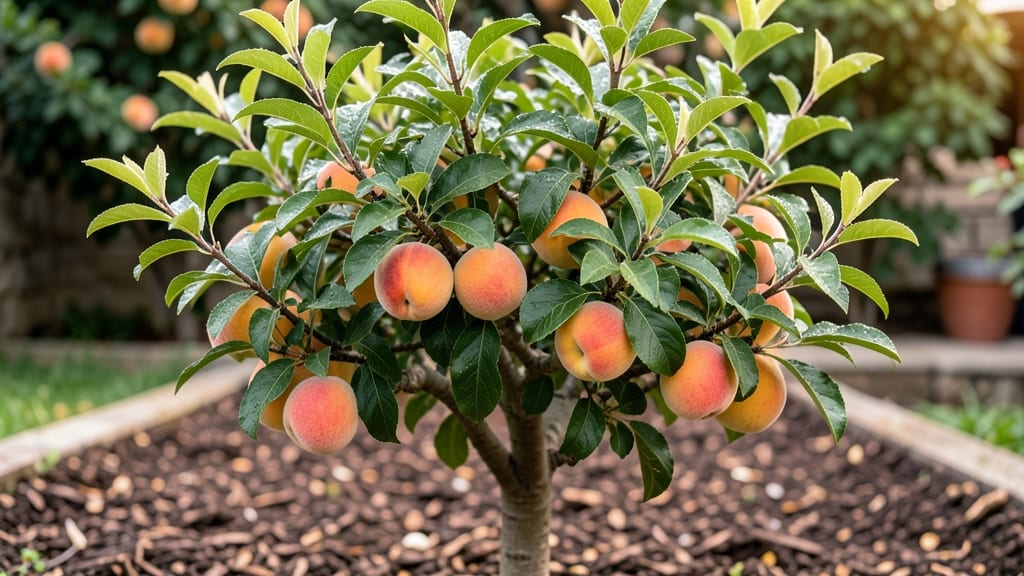
Small gardens deserve trees that deliver sweet rewards without the space or upkeep demands of traditional fruit trees. These 10 varieties produce peach-like fruit—from tart to sweet—that thrive in compact areas, offering year-round interest with minimal fuss.
Dwarf Peach Tree Variety: Bonanza
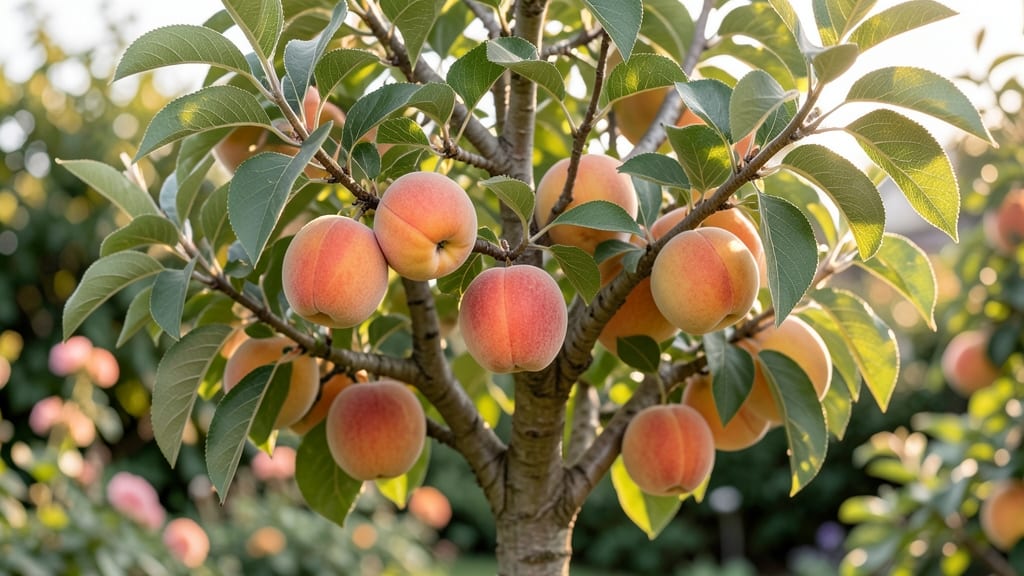
If you’ve ever dreamed of harvesting fresh peaches but lack the space for a full-sized tree, the Bonanza dwarf peach is your game-changer. This semi-dwarf variety matures in just 2-3 years—unlike standard peach trees that take 5+ years—and produces reliable, bite-sized fruits perfect for snacking or jams.
Thriving in containers (15+ gallons) or tight urban yards, it only reaches 6-8 feet tall, making it ideal for patios, balconies, or small backyards. Plant in full sun (6+ hours daily) with well-draining soil, and prune lightly in late winter to encourage airflow. Unlike fussy varieties, Bonanza tolerates mild drought once established, though consistent watering boosts fruit production.
This variety is beginner-friendly—no complex grafting or pollination tricks required. Urban gardeners and first-time fruit growers will love its fast rewards and low-maintenance nature. 🌱
Japanese Apricot Tree: Shirofugen
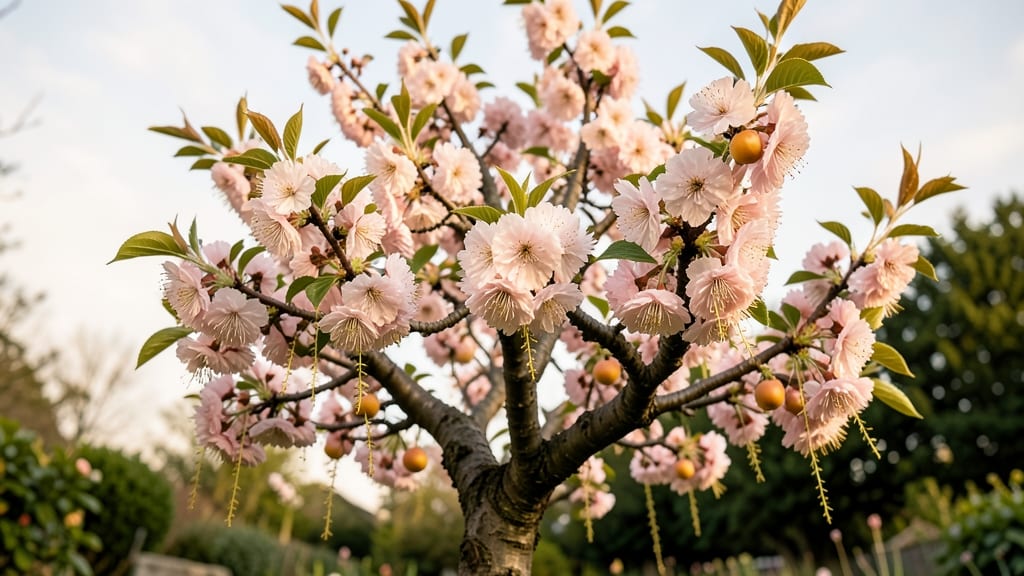
Looking for a tree that combines stunning spring blooms with sweet-tart fruit and thrives in cooler climates? The Japanese Apricot Tree: Shirofugen delivers all three—plus it fits perfectly in small spaces. Unlike tropical fruit trees, this cold-hardy variety (Zones 5-8) produces edible fruit even in northern gardens, making it a standout for pollinator-friendly landscapes.
With a mature height of just 15-20 feet, Shirofugen’s compact form makes it ideal for urban yards or patio gardens. Its pink spring blossoms attract bees and butterflies, while the small, apricot-like fruits ripen in late summer—sweet enough to eat fresh but tart enough to preserve. Plant in full sun to partial shade with well-draining soil, and prune lightly in late winter to maintain its natural shape.
Perfect for gardeners who want both beauty and bounty without the space requirements of traditional fruit trees. 🌟
Nectarine Tree: Fantasia
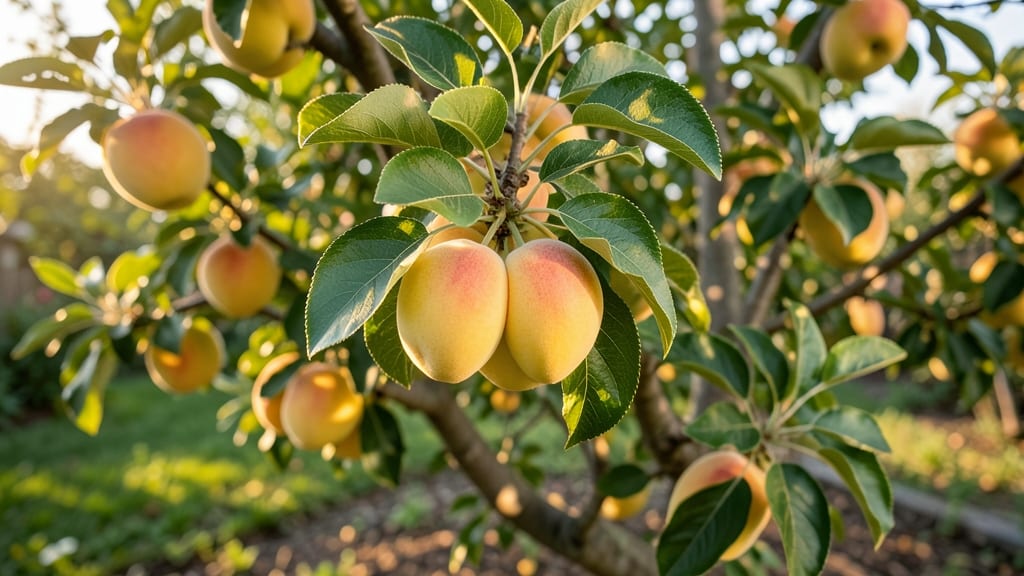
If you crave peach-like flavor without the fuss of traditional fruit trees, the Fantasia nectarine delivers all the sweetness in a compact, self-sufficient package. Unlike its fussy cousins, this variety thrives on its own—no cross-pollination needed—and produces smooth, golden nectarines that burst with juicy goodness.
Grown on dwarf rootstock, the Fantasia stays manageable at just 8-10 feet tall, making it ideal for small yards or even large containers. Plant it in full sun with well-draining soil, and prune lightly in late winter to encourage air circulation and fruit production. With proper care, you’ll enjoy abundant harvests starting as early as 2-3 years after planting—earlier than many fruit trees.
Perfect for urban gardeners or those with limited space, this nectarine combines ease of care with big rewards, giving you a taste of summer’s sweetest fruits without the commitment. 🌻
Plumcot Tree: Flavor Grenade
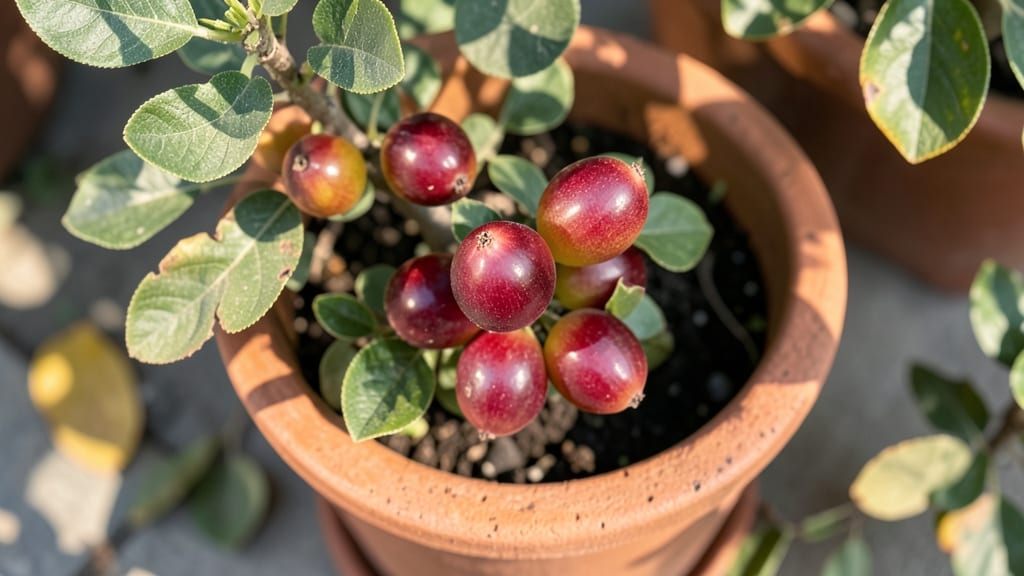
If you crave intense, concentrated fruit flavor without the fuss of large trees, the plumcot is your secret weapon. This plum-apricot hybrid packs a punch in tiny, deep-red fruits that burst with sweet-tart complexity—think peach-meets-plum in every bite.
Plumcots thrive in containers or small gardens, reaching just 6-10 feet tall, and their disease-resistant nature means fewer pesticides. Plant them in full sun with well-draining soil, and enjoy low-maintenance care—prune lightly after harvest to encourage next year’s fruit. The fruits ripen in late summer, offering a short but flavorful window.
Busy gardeners or urban dwellers will love this compact powerhouse—it delivers restaurant-quality fruit with minimal space and effort. 🌟
Peach-Plum Hybrid: Peaplum
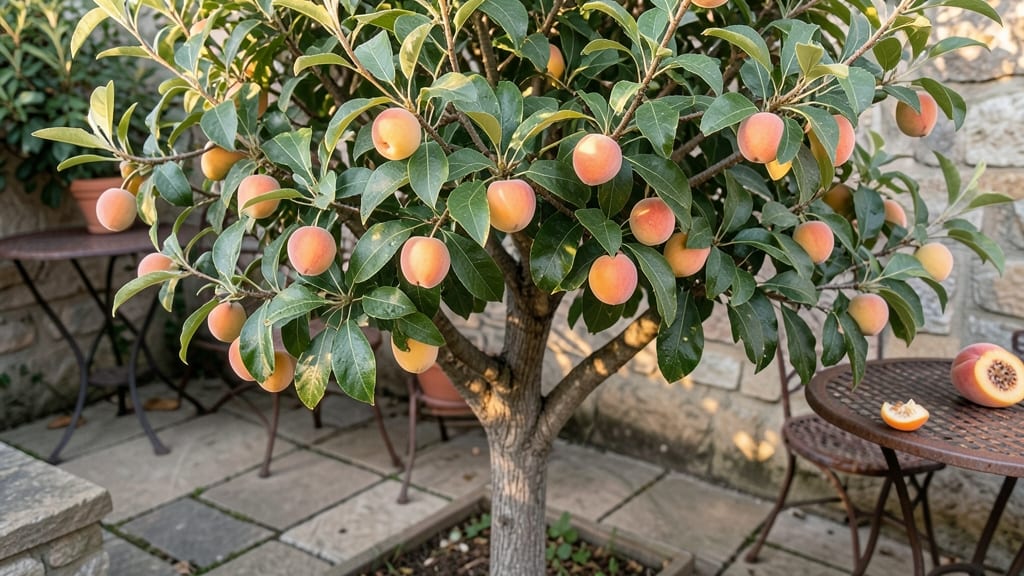
Looking for a fruit tree that fits your patio like a glove? The peaplum—a peach-plum hybrid—delivers a compact, bushy tree packed with small, tart-sweet fruits that taste amazing fresh or in homemade jams. Unlike its larger fruit-tree cousins, this hybrid stays neatly contained, making it perfect for urban balconies or cozy courtyard gardens.
This crossbreed thrives in full sun to partial shade and prefers well-draining soil, though it’s surprisingly adaptable to different conditions. Prune lightly in late winter to maintain its shape, and expect harvests in late summer when the fruits ripen to a vibrant mix of peach and plum hues. The disease-resistant nature means less fuss and more fruit for you.
Balcony gardeners and small-space enthusiasts will love how the peaplum turns minimal space into a fruit-bearing powerhouse—no orchard required. 🌻
Dwarf Cherry-Plum: Lapins
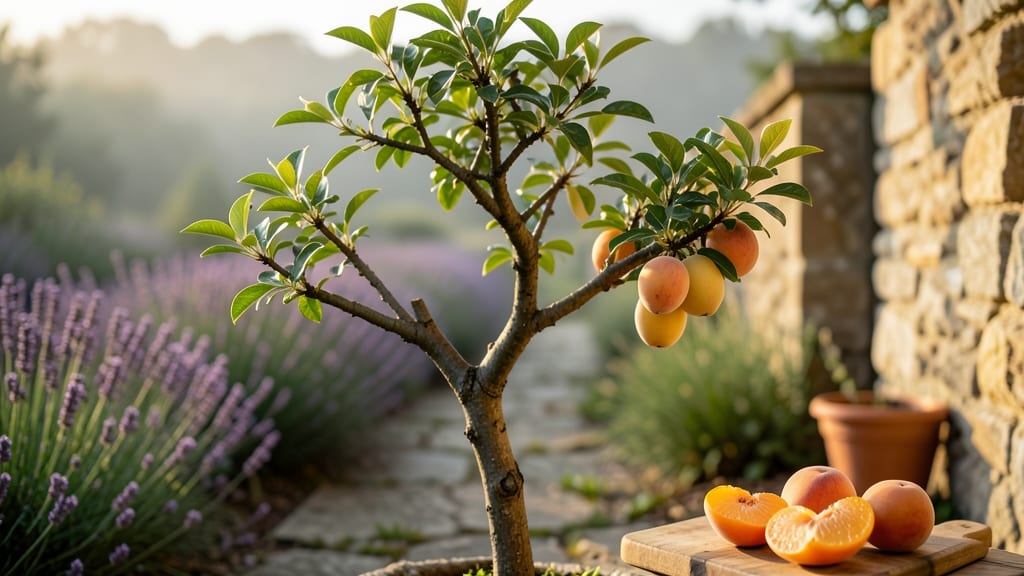
If you dream of a French-inspired orchard but lack space, the Lapins dwarf cherry-plum delivers big flavor in a tiny package. This elegant hybrid produces peach-like fruits—sweet, aromatic, and perfect for snacking or preserves—while staying compact enough for bonsai-style training or small orchards.
Thriving in zones 5-8, Lapins tolerates cold snaps down to -20°F, making it one of the hardiest small fruit trees. Its self-pollinating nature means no need for a second tree, and its slow-growing habit (6-8 feet tall) keeps it manageable. Prune lightly in late winter to encourage bushier growth and better fruit access.
Ideal for urban gardeners, bonsai enthusiasts, or cottage-style plots, Lapins adds year-round interest with its spring blossoms and glossy foliage. 🌱
Loquat Tree: Large Leaf
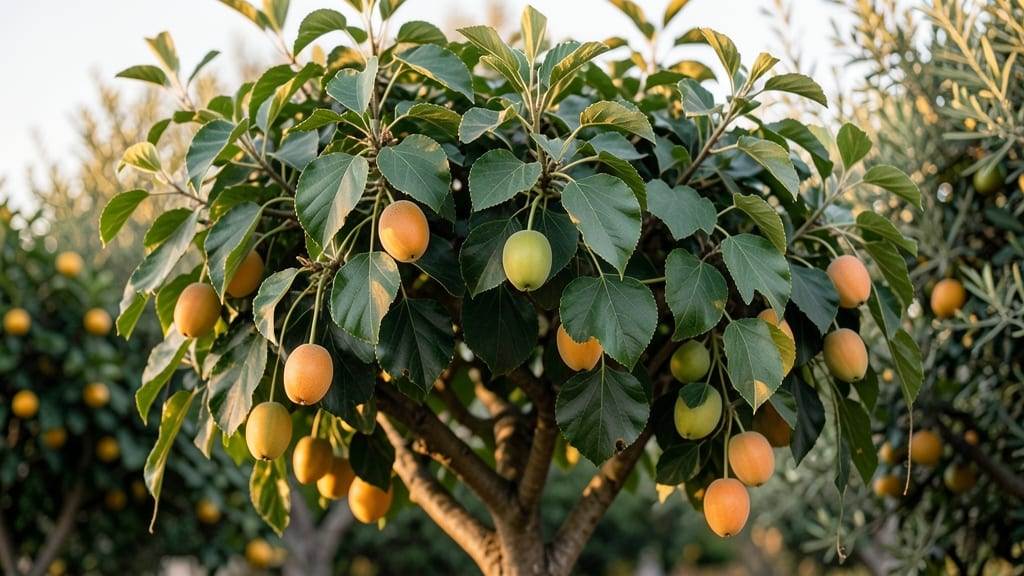
If you crave a tree that delivers both beauty and edible rewards without taking over your space, the loquat tree (Eriobotrya japonica) is your perfect match. This evergreen stunner produces small, sweet fruits that resemble peaches—ripe for harvesting year-round in warm climates like Zones 8-11. Its glossy, large leaves add a tropical vibe to any garden, patio, or even a large container.
The fruits, which taste like a mix of peach and apricot, ripen in late winter to early spring, offering a unique harvest when most fruit trees are dormant. Prune lightly after fruiting to maintain its compact 10-15 foot height, and enjoy its drought-tolerant nature once established. The tree thrives in full sun to partial shade, making it adaptable to various garden spots.
Ideal for gardeners in mild climates, the loquat tree doubles as a stunning ornamental—its year-round foliage and delicate white flowers provide seasonal interest. Whether you're after fruit, foliage, or a low-maintenance centerpiece, this tree delivers. 🌟
Peach Tree: Redhaven Dwarf
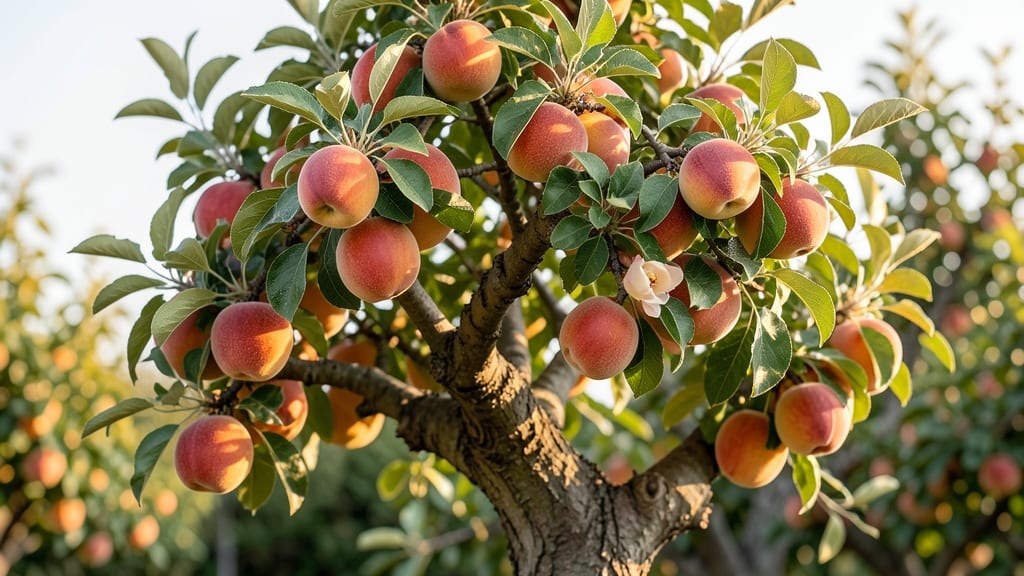
If you crave the classic peach flavor but lack space for a full-sized tree, the Redhaven Dwarf peach tree is your perfect match. This compact variety delivers all the juicy satisfaction of a traditional peach in a fraction of the footprint, making it ideal for patios, small yards, or even large containers.
Unlike standard peach trees, this dwarf variety thrives in partial shade—great for urban gardens with limited sunlight—while still producing reliable small fruits with the same sweet-tart balance you love. Prune in late winter to maintain its 6-8 foot height, and enjoy harvests starting as early as mid-summer. The tree’s adaptability makes it a standout for gardeners who want flavor without compromise.
This is the ideal choice for small-space gardeners or those who want a low-maintenance peach tree that doesn’t require a full orchard. Just add a little patience—it takes about 3-4 years to bear fruit, but the wait is worth it for that first taste of homegrown peach perfection. 🌻
Medlar Tree: Blenheim Orange
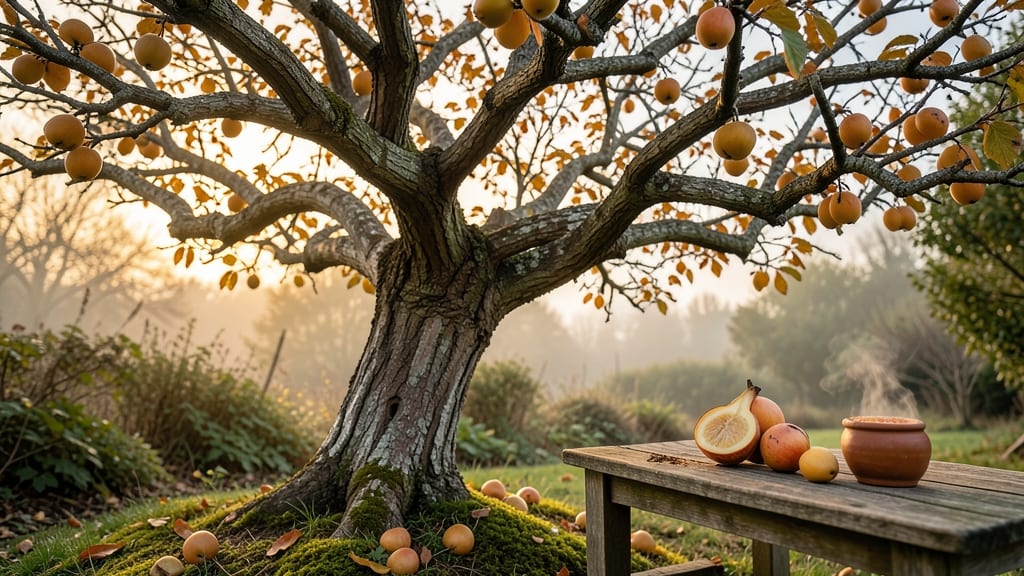
Step back in time with the Blenheim Orange medlar, a historic fruit tree that’s as charming as it is low-maintenance. Unlike most peach-like fruits, medlars aren’t ready to eat fresh—they’re best when baked or fermented to soften their firm texture, revealing a honeyed, spice-infused flavor reminiscent of dates and apples.
This drought-tolerant tree thrives in USDA Zones 6-9, making it perfect for permaculture plots or cottage gardens. Plant it in full sun to partial shade, and watch it develop its distinctive rough bark and small, peach-shaped fruits that ripen in autumn. Once established, it requires minimal care—just occasional pruning to shape its natural, slightly sprawling form.
Medlars are a fantastic choice for gardeners who love historical varieties or want to add a unique, edible element to their landscape. The fruits drop easily when ripe, so place a tarp below to collect them for baking or fermenting—your taste buds will thank you! 🌟
Peach Tree: Contender Dwarf

If you’ve ever dreamed of growing peaches but lack the space for a full-sized tree, the Contender Dwarf peach tree is your solution. This self-pollinating variety produces large small fruits—think juicy, flavorful peaches in miniature—without needing a second tree for pollination.
Perfect for containers or urban gardens, it matures quickly, delivering early ripening fruit in just 60-70 days after bloom. Its disease-resistant nature means fewer pesticides and more time enjoying fresh peaches. Prune lightly in late winter to maintain its compact shape and encourage airflow.
Urban gardeners and balcony growers will love how this tree thrives in tight spaces while delivering a bountiful harvest. 🌱