
Pruning
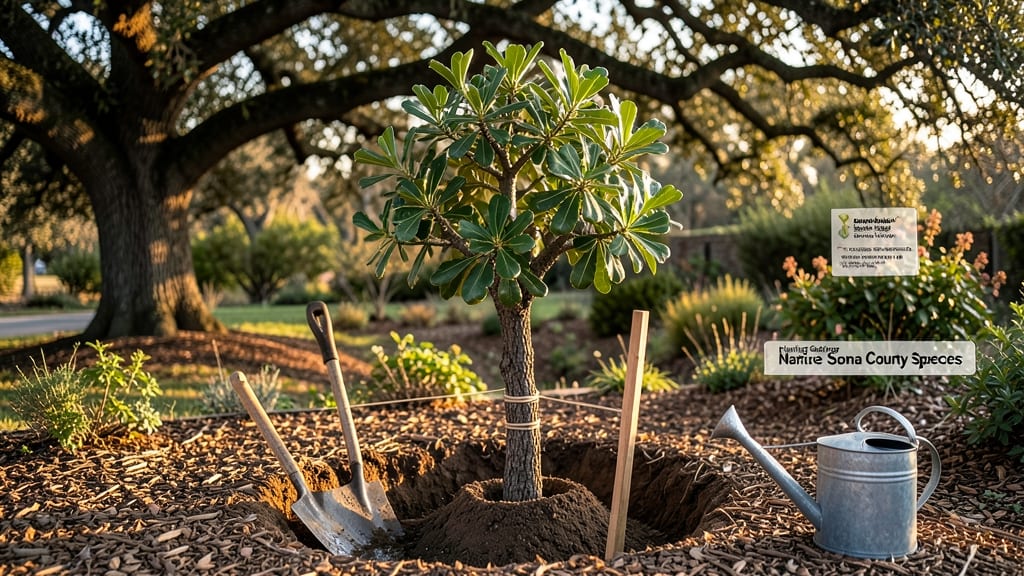
Planting trees in Sonoma County CA means choosing species that thrive in our Mediterranean climate—where winter rains and summer droughts shape what grows best. 🌳 I’ve learned the hard way which natives survive our dry summers without extra watering, and which ones need TLC to make it past the first year.
The key isn’t just picking a tree; it’s matching it to your microclimate, whether that’s a windy ridge or a shady valley floor.
Start with drought-tolerant natives like toyon or coast live oak, which handle our summers with ease. For faster shade, California sycamore or valley oak are winners—but they’ll need consistent water for the first two years. Sonoma’s soil?
Often rocky and fast-draining, so amending with compost before planting makes all the difference. The best time to plant? Late fall or early spring, when rains soften the ground and summer heat hasn’t arrived yet.
You’ll end up with a tree that not only survives but thrives—dropping shade in summer, supporting local wildlife, and even boosting your property value. The first year is critical: deep watering every 2–3 weeks (even in winter) and mulching to lock in moisture.
Skip the nursery’s plastic pots; bare-root or container-grown trees establish faster in our soil.
Local nurseries like Sonoma Tree Company or Native Sons Nursery stock region-proven species, and the Sonoma County Ag + Open Space District offers rebates for planting natives.
Pro tip: Stake young trees only if your site is windy—over-staking can strangle roots as they grow. Let’s get that tree in the ground the right way.
📚 In This Guide
- What you need
- Instructions
- Tips and common mistakes
- Wrapping up and next steps
What you need
- ● Tree sapling: Choose a native species (e.g., Quercus agrifolia for coastal areas or Arbutus menziesii for drier zones). Buy from a local nursery (1–3 saplings, depending on space).
- ● Shovel: A digging shovel (16–18") or post-hole digger for larger holes. Rent if needed!
- ● Compost or native soil: At least 5 gallons of high-quality compost or a 50/50 mix of native soil and compost to enrich the planting hole.
- ● Mulch: 3–4 inches of wood chips or straw (avoid dyed mulch—it’s harmful!).
- ● Watering can or hose: With a gentle spray nozzle for post-planting hydration.
- ● Garden gloves (to protect your hands from thorns or rough bark).
- ● Stakes and twine (for young, top-heavy trees in windy areas).
- ● Pruning shears (to trim damaged branches post-planting).
- ● Soil pH tester (Sonoma’s soil can be acidic—aim for 6.0–7.0).
- ● Tree guard (to protect from rabbits or curious critters).
- ● Check local regulations: Sonoma County may require permits for non-native or large trees—call Sonoma County Parks to confirm.
- ● Best planting time: Fall (October–November) or early spring (February–March) for optimal root growth.
- ● Location scouting: Pick a spot with 6+ hours of sunlight (adjust for shade-tolerant species) and 6+ feet of clearance from structures.
- ● Water source: Ensure easy access for weekly deep watering (10–15 gallons per tree) for the first year.
Step-by-step instructions for planting trees in Sonoma County
Sonoma’s microclimates demand smart timing and technique—here’s how to plant trees that thrive year-round.
🌱 Step 1: Choose the Right Season and Location
Planting in Sonoma County works best between November and March when cooler temps and winter rains reduce stress. Avoid summer heat, which dries out roots before they establish. I always check the USDA Zone 9a-9b map for my exact microclimate—some coastal spots stay cooler longer than inland areas.
Pick a spot with 6+ hours of sunlight for most trees, but native oaks or manzanitas tolerate partial shade. Test drainage by digging a 12-inch deep hole—if water pools after 30 minutes, amend the soil with 3-4 inches of compost or plant on a slight mound. Sonoma’s clay-heavy soil needs this adjustment to prevent root rot.
🪴 Step 2: Prepare the Planting Hole and Tree
Dig a hole twice as wide as the root ball but no deeper—this encourages roots to spread horizontally rather than circling. Loosen the sides of the hole with a shovel to help roots penetrate the native soil. If your tree arrived balled-and-burlapped, remove the burlap but keep the root ball intact.
Before planting, trim any broken branches and prune roots longer than 6 inches with clean pruners. Soak the root ball for 15-20 minutes—this helps roots recover from transplant shock. I always check the soil moisture level first; if the ground feels dry, I water the hole thoroughly before placing the tree.
☀️ Step 3: Plant and Stake for Stability
Position the tree so the top of the root ball sits 1-2 inches above ground level—this prevents waterlogging. Backfill with the native soil you removed (mixed with 1 inch of compost), tamping lightly every 3 inches to eliminate air pockets. Avoid compacting too hard, or you’ll restrict root growth.
Stake only if needed—most mature trees in Sonoma’s windy coastal areas benefit from two wooden stakes placed 6 inches from the trunk. Use soft ties (never wire) to loosely secure the tree, allowing slight movement to strengthen the stem. Water deeply right after planting to settle the soil around roots.
💧 Step 4: Water and Mulch for Long-Term Success
Give newly planted trees 1-2 gallons of water per inch of trunk diameter—a 6-inch tree gets 6 gallons spread evenly over the root zone. Water slowly to avoid runoff, and repeat every 3-5 days until new growth appears. Sonoma’s dry summers mean consistent moisture is critical during the first year.
Apply 3-4 inches of mulch (wood chips or straw) in a 3-foot diameter ring, keeping it 6 inches away from the trunk to prevent rot. Mulch conserves moisture, regulates soil temperature, and suppresses weeds. Replenish mulch annually—it breaks down faster in our mild, wet winters.
⏰ Step 5: Monitor and Maintain Through the First Year
Check soil moisture weekly by sticking your finger 2 inches deep—if dry, water deeply. Fertilize only if leaves show signs of stress (yellowing or stunted growth), using a balanced 10-10-10 fertilizer in early spring. Native trees like coast live oak rarely need fertilizer, but ornamentals like Japanese maples benefit from a light feeding.
Prune only to remove dead or crossing branches in late winter. Avoid heavy pruning in the first year—it stresses the tree when roots are still establishing. Watch for pests like aphids or scale, common in Sonoma’s mild climate, and treat with neem oil if needed. With proper care, your tree will be self-sufficient within 2-3 years.
Tips & tricks for perfect tree planting in Sonoma County
Sonoma County’s unique climate means a few extra steps can make all the difference between a thriving tree and one that struggles to take root.
Seasonal Timing: The November-March window is ideal, but coastal areas can extend planting into April. If you must plant in summer, do it on an overcast day or in early morning to reduce heat stress on the roots. I’ve seen trees planted in late March near the coast thrive when inland areas needed to wait until November.
Soil Prep: Sonoma’s clay soil is tricky—if your drainage test shows water pooling after 30 minutes, mix in 3-4 inches of compost and consider planting on a slight mound. This prevents root rot while still allowing roots to spread naturally. For heavy clay, you can also add 1-2 inches of coarse sand to improve drainage without altering the soil structure too much.
Root Care: When pruning roots longer than 6 inches, make clean cuts with sharp pruners at a slight angle. This encourages new root growth rather than creating jagged edges that can tear. The 15-20 minute soak before planting is crucial—it helps roots absorb water immediately, reducing transplant shock. I always check soil moisture before soaking; if the ground is already damp, I skip this step to avoid waterlogging.
Mulching: The 3-4 inch mulch layer is perfect, but avoid piling it against the trunk. Instead, create a donut shape with the mulch, keeping it 6 inches away from the base. This prevents moisture buildup that can cause rot while still protecting the roots. For extra protection in coastal areas, I often use wood chips because they break down more slowly than straw in our wet winters.
Pro Tips for Tree Planting Sonoma County Ca
- Sonoma County’s unique climate means a few extra steps can make all the difference between a thriving tree and one that struggles to take root.
- Seasonal Timing: The November-March window is ideal, but coastal areas can extend planting into April.
- Soil Prep: Sonoma’s clay soil is tricky—if your drainage test shows water pooling after 30 minutes, mix in 3-4 inches of compost and consider planting on a slight mound.
Frequently asked questions
about tree planting in Sonoma County—because every gardener deserves clarity! Here are answers to your top questions, tailored to our unique Mediterranean climate.What’s the best time of year to plant trees in Sonoma County?
For year-round success, aim for late fall to early spring (November–March). This avoids summer heat stress and gives roots time to establish before dry spells. Evergreens can handle cooler winters, while deciduous trees thrive with winter moisture. Pro tip: Plant bare-root trees in winter for maximum root growth!
How do I prepare the soil for tree planting in our climate?
Sonoma’s fast-draining soils need amendments! Test your soil (local UCCE offices help) and mix in compost or aged manure to retain moisture. For clay-heavy areas, add coarse sand or perlite. Avoid compacting soil—dig a hole twice as wide as the root ball but no deeper to prevent root suffocation.
Can I plant trees in summer? What are the risks?
Yes, but only with extra care! Summer planting (June–August) requires daily watering (10–15 gallons weekly) and shade cloth for young trees. Risks include heat shock and pests drawn to stressed plants. Choose drought-tolerant natives like toyons or coast live oaks for better survival odds.
What if my newly planted tree isn’t thriving? Troubleshooting tips!
Check these common issues:
Yellow leaves? Overwatering or poor drainage—adjust your schedule.
Wilting? Underwatering or root damage—mulch deeply and water deeply.
Pests (aphids, bark beetles)? Use neem oil or invite ladybugs! Monitor for signs early.
Slow growth? Amend soil with phosphorus-rich compost or fertilize lightly in spring.
Pro tip: If roots circle the trunk, prune them gently to encourage outward growth.Are there native trees better suited to Sonoma’s climate?
Absolutely!
Opt for drought-resistant, fire-resilient natives like:
- California sycamore (fast-growing, shade-loving)
- Oregon ash (tolerates poor soil)
- Toyon (CA holly) (evergreen, wildlife-friendly)
- Manzanita (low-water, stunning blooms)
Wrapping up and next steps
Tree planting in Sonoma County isn’t just about beautifying your landscape—it’s a meaningful way to support local ecosystems, combat climate change, and create a thriving future for generations to come. 🌱 With the right species, soil prep, and seasonal timing, even beginners can achieve year-round success.
Whether you’re a homeowner, farmer, or community volunteer, every tree makes a difference!
Ready to get started? Pick a spot, gather your tools, and plant with confidence! 🌳 For extra support, check out local resources like Sonoma County’s Watershed Program or connect with nearby nurseries to find the perfect match for your property.