
Pruning
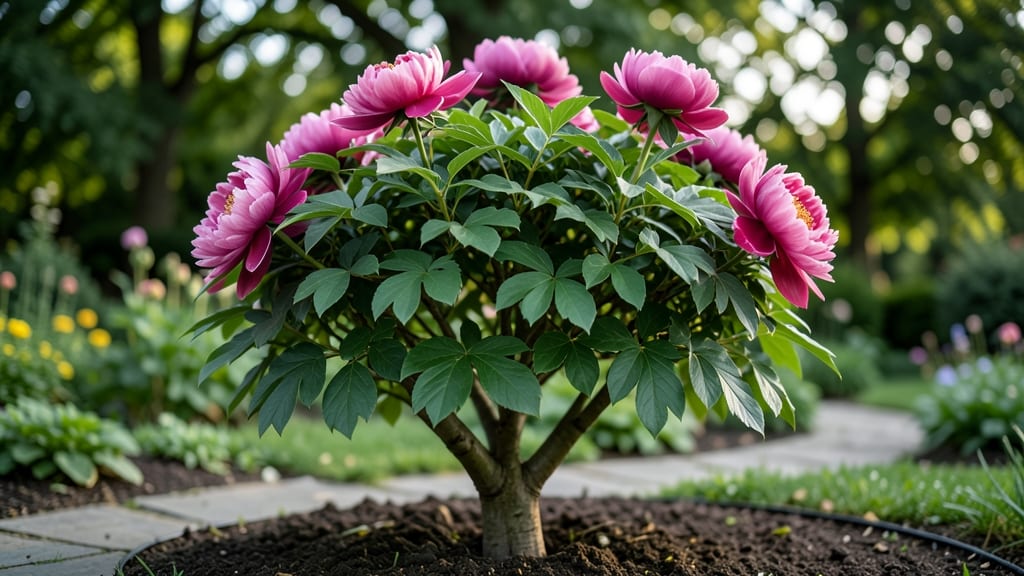
A tree peony’s height can transform your garden from charming to showstopping — or overwhelming, if you pick the wrong variety for your space.
If you’re dreaming of a dramatic garden centerpiece but worry tree peonies might outgrow their space, you’re not alone. Many gardeners underestimate how tall these stunning blooms can become, especially when planted in the right conditions.
The difference between a compact focal point and an unruly giant often comes down to variety and care.
Most tree peonies mature between 3 to 6 feet, though some dwarf varieties stay under 3 feet while others reach towering heights of 8 feet or more.
That means your choice of cultivar could mean the difference between a perfect patio plant and a border that swallows your walkway.
In this guide, I’ll break down the height ranges of popular tree peonies, how sunlight, soil, and pruning affect their growth, and the simple tricks to keep them at your ideal size — whether you want them waist-high or reaching for the sky.

Tree peony height by variety: tallest and shortest options compared
Tree peonies (Paeonia suffruticosa) are prized for their lush, long-lasting blooms and shrub-like structure, but their height varies dramatically by variety. Some stay compact enough for containers or borders, while others become towering garden statements.
Choosing the right size ensures your tree peony thrives without overwhelming your landscape design.
Understanding tree peony height ranges helps with plant spacing, pruning strategies, and landscape placement. Dwarf varieties under 3 feet work beautifully in small gardens or patios, while tallest cultivars (over 10 feet) demand open spaces or focal points.
Let’s explore the spectrum so you can pick the perfect fit for your garden.
For dwarf varieties (like 'Koi Nodoki'), expect 1.5–3 feet of growth, making them ideal for containers or small-space gardens. These peonies bloom early and thrive in full sun, but their compact size means they won’t cast heavy shade on nearby plants.
Plant them 18–24 inches apart to allow airflow and prevent crowding-related diseases.
Semi-dwarf varieties (e.g., 'Shinju') reach 3–5 feet and strike a balance between height and manageability. They’re perfect for foundation plantings or mixed borders, where their upright habit adds structure without dominating. Space these 3–4 feet apart to ensure proper air circulation and light penetration.
Standard-height tree peonies (like 'Sarah Bernhardt') grow 5–8 feet tall, making them statement plants for the back of borders or as focal points in larger gardens. Their taller stature means they’ll outshine smaller perennials, so place them where their bold blooms can be admired from a distance.
Allow 5–6 feet of spacing to accommodate their sprawling canes.
If you’re aiming for a dramatic, tree-like appearance, tall varieties like 'Red Charm' (up to 10+ feet) deliver unmatched impact. These giants need ample space—plant them 7–8 feet apart—and consider their mature size when designing pathways or hardscapes nearby.
Their late-blooming flowers add seasonal interest long after smaller varieties fade.
Height isn’t the only factor—growth rate and spread also influence placement. For example, 'High Noon' (a standard variety) may double in height within 5 years, while
How to control tree peony height naturally: pruning and care secrets
Tree peonies (Paeonia suffruticosa) are stunning garden stars, but their height can spiral out of control if left unchecked. With the right pruning techniques and seasonal care, you can keep them within your desired space while ensuring maximum blooms.
The key lies in understanding when and how to prune, along with soil and sunlight management.
Most tree peonies mature between 3 to 10 feet tall, depending on the variety. Dwarf types like 'Bai Tao' stay around 3 feet, while giants like 'Shinju' can reach 8 feet.
If your garden has limited space, pruning in early spring is your best tool to maintain height while encouraging bushier growth.
⚠️ WARNING: Pruning at the Wrong Time Can Stunt Blooms Forever ⚠️
✅ Fix: Wait until late winter to early spring (just as new shoots emerge) to prune. This ensures you’re cutting dead or weak wood while preserving flower buds.
⚠️ Pro Tip: Never cut more than 1/3 of the plant’s height in a single pruning session. Over-pruning stresses tree peonies and can lead to weak growth or no flowers.
Start by removing dead, diseased, or crossing branches first. Use clean, sharp pruners to make cuts at a 45-degree angle, about 1/4 inch above a bud. This encourages outward growth, creating a fuller, more compact plant.
For varieties prone to legginess, like 'Koi Nodoki,' prune back one-third of the tallest stems to redirect energy to shorter, bushier branches.
Soil health plays a huge role in height control. Tree peonies thrive in well-draining, slightly alkaline soil (pH 6.5–7.5). Amend heavy clay with compost or sand to prevent root rot, which can weaken stems and cause uncontrolled height spikes.
A 2-inch layer of mulch around the base helps retain moisture and regulates soil temperature, promoting steady, manageable growth.
Fertilizing lightly in early spring with a balanced 5-10-10 formula encourages strong root development without excessive top growth. Avoid high-nitrogen fertilizers, which can lead to leafy but leggy plants. Instead, focus on phosphorus and potassium to support robust blooms and compact stems.
Water deeply once a week during the growing season, ensuring the soil stays moist but not soggy.
For container-grown tree peonies, choose dwarf varieties like 'Bai Tao' or 'Koi Nodoki' and prune annually in early spring to maintain shape. Repot every 3–4 years to refresh the soil, as crowded roots can stunt growth.
Place containers in full sun and avoid overwatering, which can lead to weak, spindly stems that grow taller to reach sunlight.
With consistent pruning and proper care, you can keep your tree peonies at an ideal height—whether you want them waist-high for borders or taller as a dramatic backdrop. The secret is patience: prune lightly each year and watch your peonies thrive without overpowering your garden space. 🌸