
Pruning
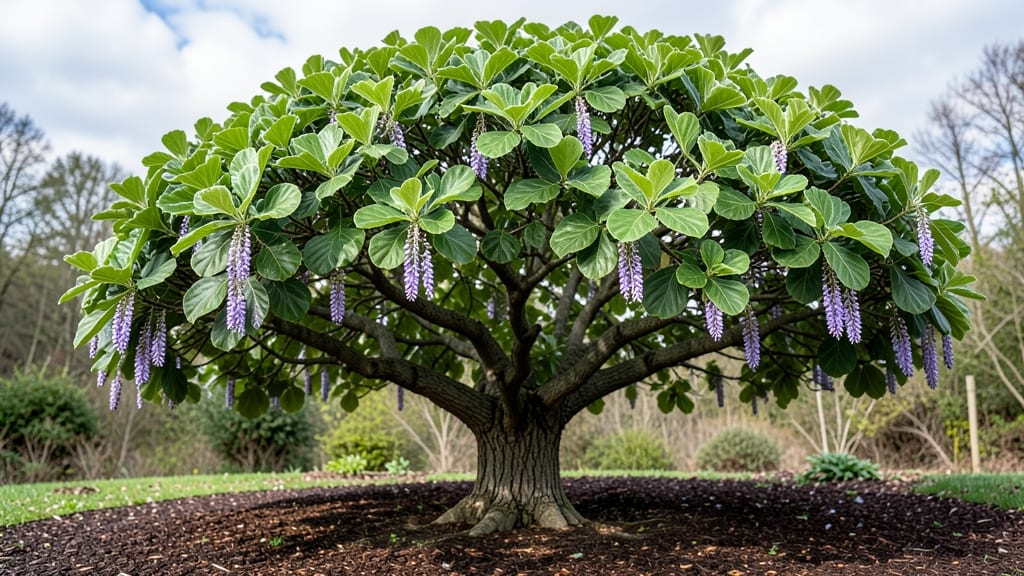
Pruning Tree of Heaven is essential for controlling its invasive spread, as it demands cutting back all growth in late winter or early spring to disrupt its deep root system and suppress regrowth. Eliminate every sucker, trim stumps completely to ground level, and treat stumps with herbicide for complete eradication. Vigilant monitoring for new shoots is critical to prevent future infestations.
Tree of Heaven (Ailanthus altissima) thrives because of its rapid growth and chemical defenses that outcompete native plants. 🌿 Its roots release allelopathic compounds that inhibit other vegetation, while its seeds spread effortlessly via wind or animals.
The key to stopping it lies in timing—pruning during dormancy weakens the plant's energy reserves, making it far easier to eradicate. I've seen cases where homeowners missed this window and ended up battling regrowth for years, so consistency is non-negotiable.
For best results, combine cutting with herbicide application directly to stumps. Commercial products like glyphosate or natural alternatives like vinegar solutions work, but you'll need to reapply every few weeks until new growth stops.
Always wear gloves and protective gear, as the sap can irritate skin. The deeper the root system, the more persistent the plant—this is why professional help might be worth the investment for large infestations.
💡 In This Article
- Why Tree of Heaven Spreads So Aggressively
- Step-by-Step Tree of Heaven Removal Guide
Why Tree of Heaven spreads so aggressively
Tree of Heaven's invasive dominance stems from its biological arsenal. This species produces 100,000 to 500,000 seeds per tree annually, which disperse via wind up to 100 feet away. Each seed contains 0.002 ounces of weight, allowing them to float effortlessly on breezes.
The seeds remain viable in soil for up to 5 years, creating a massive seed bank that germinates whenever conditions are favorable. 🌬️
Beneath the surface, its root system extends 30-50 feet deep and spreads horizontally through suckers—underground stems that can regenerate entire trees. These roots release allelopathic chemicals like quassin and ailanthone, which inhibit the growth of competing plants by disrupting their cellular processes.
Studies show these compounds can reduce native plant growth by up to 70% in affected areas, creating monocultures that dominate ecosystems.
The plant's rapid growth rate—3-5 feet per year—outpaces most native species. This aggressive expansion chokes out understory plants, alters soil chemistry, and creates dense stands that block sunlight.
The Tree of Heaven's ability to thrive in disturbed soils, urban areas, and even poor-quality soils makes it particularly difficult to control once established. Its bark contains quinine-like compounds, which may explain why deer and many herbivores avoid it, further reducing natural predation.
Ecologically, this invasion disrupts food chains. Native insects that rely on local tree species struggle to adapt, while the Tree of Heaven's spotted lanternfly (an invasive pest) thrives on its sap. The plant's dominance reduces biodiversity by 30-40% in infested areas, according to forestry studies.
Its ability to regenerate from tiny root fragments means even well-intentioned pruning can fail if not followed by proper treatment. 🌱
Climate change exacerbates the problem. Warmer winters and increased CO₂ levels create ideal conditions for this species. Research from the USDA shows Tree of Heaven infestations have expanded 20% faster in the last decade compared to previous records.
The plant's tolerance for urban pollution and drought conditions makes it particularly resilient in suburban landscapes, where it often goes unnoticed until it's too late.
What makes this species uniquely challenging is its chemical defense system. The sap contains toxic compounds that can cause skin irritation and respiratory issues when burned.
This chemical warfare extends to its leaves, which emit a distinctive foul odor when crushed—often described as a mix of rotting meat and peanut butter. This unpleasant aroma serves as a natural deterrent to many herbivores but doesn't stop its relentless spread. 🌳