
Pruning
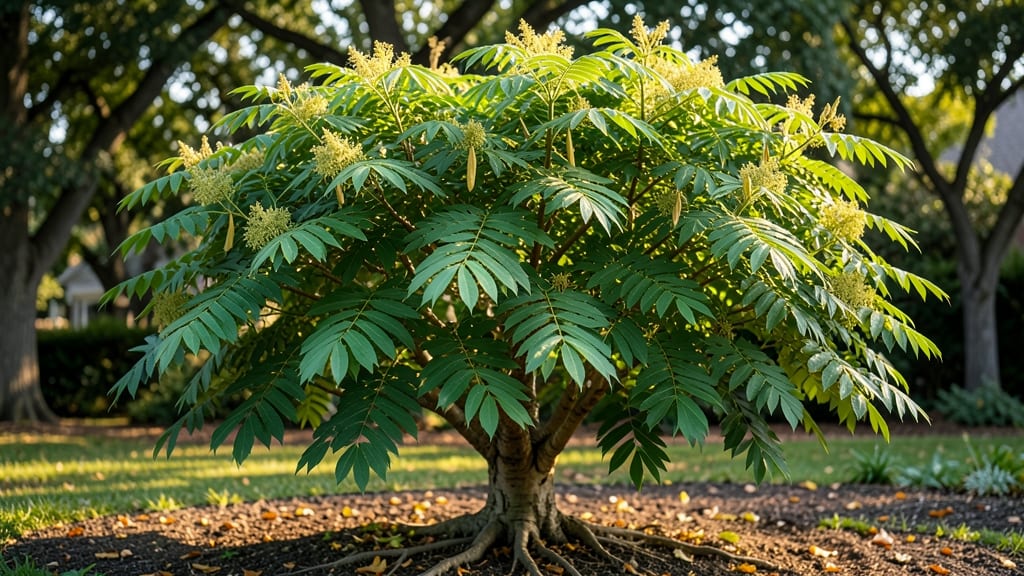
Winter pruning your Tree of Heaven isn’t just about shaping—it’s about setting the stage for explosive spring growth that outpaces the competition. 🌱 I’ve learned the hard way that skipping this step means leggy branches and fewer leaves come summer, but doing it right transforms that tree into a lush, robust specimen.
The key is timing: dormant season trimming between late winter and early spring, when the tree’s energy is still resting but ready to rebound.
You’ll need sharp pruning shears, a ladder (for higher branches), and a clear day to work—no one wants to wrestle with slippery tools on icy limbs. The goal is to remove dead, crossing, or weak branches first, then thin out the canopy by about 20-30% to improve airflow.
This isn’t about drastic cuts; it’s about strategic shaping to encourage strong new growth where it matters most.
What you’ll end up with is a tree that greens up faster in spring, resists pests better, and produces those signature compound leaves you love.
The mulch ring you add around the base now will also protect roots from freezing-thaw cycles, giving your Tree of Heaven a head start on the season. Think of it as a winter tune-up for a car—skip it, and you’re rolling into spring with a sluggish engine.
Cold climates? No problem—this tree’s tough, but a little extra care now means fewer surprises later. Watch for signs of stress like cracked bark or excessive sap bleeding, and adjust your approach.
With the right cuts and timing, your Tree of Heaven will thank you with a canopy so dense, neighbors will ask how you did it.
📚 In This Guide
- What you need
- Instructions
- Tips and common mistakes
- Wrapping up and next steps
What you need
- ● Pruning shears or bypass pruners: Sharp, high-quality shears (20-24" blade length) for cutting branches up to 1.5 inches in diameter.
- ● Loppers: For branches 1.5–3 inches thick (bypass or anvil type, but bypass is gentler on wood).
- ● Pruning saw: A curved-tooth saw for thicker branches (3+ inches). Opt for a bow saw or pruning saw with a 16-20" blade.
- ● Ladder or extension pole: A sturdy, 3-section aluminum ladder (20–30 ft) or a 10–15 ft telescoping pole saw for high branches.
- ● Gloves: Heavy-duty, cut-resistant gloves (e.g., Mechanix Wear or similar) to protect against thorns and sap.
- ● Safety glasses: ANSI-rated goggles to shield eyes from debris.
- ○ Disposable pruning bags or bucket: A 5–10 gallon capacity for collecting trimmings (optional but helpful for cleanup).
- ● Rubbing alcohol or bleach solution: 70% isopropyl alcohol or a 1:10 bleach-water mix to sterilize tools between cuts (prevents disease spread).
- ○ Tree wound dressing (optional): Pruning sealant (e.g., Tanglefoot Tree Wound Pruning Seal) for cuts larger than 2 inches in diameter.
- ● Dry, frost-free day: Ideal temperature range: 40–60°F. Avoid pruning if rain or snow is forecasted within 24 hours.
- ● Clear workspace: Remove debris, rocks, or tripping hazards around the tree’s base.
- ● Sun protection: Long sleeves, a hat, and sunscreen if working outdoors for extended periods.
How to prune tree of Heaven in winter for healthier growth
Winter’s the perfect time to shape this fast-growing tree—just follow these steps for cleaner cuts and stronger spring regrowth.
⏰ Step 1: Time Your Pruning for Dormancy
Prune your tree of heaven after the first hard frost but before new buds swell—typically mid-to-late winter in most climates. This timing prevents stressing the tree when it’s still storing energy. Look for bare branches with no green leaves and check that buds remain tightly closed (they’ll swell slightly when ready to grow).
If you’re in a milder zone where buds start breaking dormancy early, wait until late February at the latest. Pruning too soon can stimulate premature growth that won’t survive cold snaps. I always mark my calendar with the average last frost date for my area—this ensures I’m cutting at the optimal window.
✂️ Step 2: Gather Tools and Prepare for Clean Cuts
Use sharp, sterilized pruning tools—a bypass pruner for small branches and a pruning saw for thicker stems over ½ inch in diameter. Clean your tools with rubbing alcohol before and after to prevent spreading disease. I also grab a bucket for clippings and gardening gloves to protect my hands from thorns.
Focus on removing dead, diseased, or crossing branches first. These are your priority cuts because they won’t regrow properly if left unattended. For larger branches, make cuts just outside the branch collar (the swollen area where the branch meets the trunk) at a 45-degree angle. Avoid leaving stubs—they invite rot and weaken the tree.
☀️ Step 3: Thin and Shape for Airflow and Light
Step back and assess the tree’s structure—aim to remove up to 25% of the foliage to improve airflow and sunlight penetration. Start by thinning out crowded branches from the inside of the canopy, cutting them back to a side branch or bud. This opens up the tree and reduces disease risk.
For shaping, prune outer branches to encourage a balanced form. Avoid cutting back more than ⅓ of any branch’s length in one season—this prevents shock. If a branch is growing toward the center, remove it entirely. You’ll know you’ve done well when you can see light filtering through the canopy and branches are spaced 6-12 inches apart.
🌱 Step 4: Clean Up and Monitor for Spring Growth
After pruning, remove all clippings from the area to prevent pests or diseases from overwintering. Dispose of them in a sealed bag—tree of heaven’s sap can be sticky and attracts insects. If you’re composting, bury the clippings deep where they won’t spread seeds (this tree is invasive in many regions).
In early spring, watch for new buds to swell and break dormancy. Healthy growth should appear within 2-4 weeks after pruning. If you notice yellowing leaves, stunted growth, or dieback, it could signal over-pruning or disease—adjust your approach for next winter. A well-pruned tree of heaven will reward you with vibrant foliage and stronger branches by summer.
Tips & tricks for perfect winter pruning of tree of Heaven
These practical tips will help you prune like a pro and give your tree of heaven the best start for spring.
Timing is Everything: I can't stress this enough—pruning at the right time is the foundation for success. The window between the first hard frost and when buds start swelling is critical. In my experience, this is usually between mid-January and late February in most climates. If you're unsure, test a few buds by gently squeezing them—if they're still hard and closed, you're good to go. Waiting until buds swell means you're too late for optimal winter pruning.
Tool Prep Prevents Problems: Clean, sharp tools are non-negotiable. I always sterilize my pruners with rubbing alcohol before starting, and I keep a small spray bottle with me to clean tools between cuts on larger branches. The 45-degree angle cut just outside the branch collar isn't just about aesthetics—it promotes faster healing and prevents disease. I've seen too many pruning jobs go wrong because people left stubs or used dull tools that crushed the bark.
Shape with Purpose: When thinning the canopy, think about light penetration and airflow. I like to visualize the tree as a sculpture—every cut should improve its structure. For branches growing toward the center, remove them entirely rather than trying to trim them back. This creates that beautiful open vase shape that lets sunlight reach all parts of the tree. Remember, you're aiming for that light-filtering effect where you can see through the canopy from all angles.
Cleanup Strategy: Don't underestimate the importance of proper cleanup. Tree of heaven sap is sticky and attracts insects, so I always dispose of clippings in sealed bags rather than leaving them on the ground. If you're composting, bury them deep where they won't spread seeds. This tree is invasive in many regions, so being thorough with cleanup helps prevent unwanted spread. I also recommend wearing gloves—the sap can be quite irritating to bare skin.
Pro Tips for Tree Of Heaven Winter
- These practical tips will help you prune like a pro and give your tree of heaven the best start for spring.
- Timing is Everything: I can't stress this enough—pruning at the right time is the foundation for success.
- Tool Prep Prevents Problems: Clean, sharp tools are non-negotiable.
Frequently asked questions
Got questions about trimming your Tree of Heaven in winter? You’re not alone!
Here are answers to the most common concerns—from timing to tools—so you can prune with confidence for a lush spring comeback.
When is the exact best time to prune Tree of Heaven in winter?
The ideal window is late winter (February–early March) when the tree is fully dormant but before new buds swell. Aim for a frost-free day after temperatures stabilize above freezing. Avoid pruning too early—cold stress can weaken cuts, or too late—buds may already be breaking.
Will pruning in winter kill my Tree of Heaven?
Not if done correctly! Winter pruning is safe when the tree is dormant—just avoid heavy cuts that expose too much bare wood. Focus on shaping, removing dead branches, and thinning for airflow. Pro tip: Make cuts just outside the branch collar (the swollen area where the branch meets the trunk) to promote faster healing.
Can I prune Tree of Heaven in late winter if I missed early winter?
Yes, but act fast! Late winter (March) still works, but prioritize light pruning—avoid aggressive cuts. If buds are already swelling, wait until spring (April) for minimal stress. Monitor for sap bleeding (common in early spring), but it’s harmless and won’t harm the tree.
What’s the difference between winter pruning and spring pruning for Tree of Heaven?
| Winter Pruning | Spring Pruning |
|---|---|
|
|
What if my Tree of Heaven doesn’t grow back after winter pruning?
Don’t panic! Tree of Heaven is resilient, but slow regrowth can happen if cuts were too severe. If no new buds appear by late spring, check for:
- Over-pruning: Avoid removing >30% of the canopy in one season.
- Root damage: Compacted soil or construction nearby can stress roots.
- Disease: Look for oozing cankers or fungal growth (treat with pruning sealant if needed).
Wrapping up and next steps
The Tree of Heaven thrives when given the right care—especially during winter pruning! 🌿 By trimming in its dormant season, you’re setting the stage for vibrant spring growth and a healthier tree. Remember, sharp tools, proper timing, and safety first make all the difference.
Ready to take action? Grab your pruners and schedule your winter session—your Tree of Heaven will thank you with lush, resilient foliage come spring! 🌱✨