
Pruning
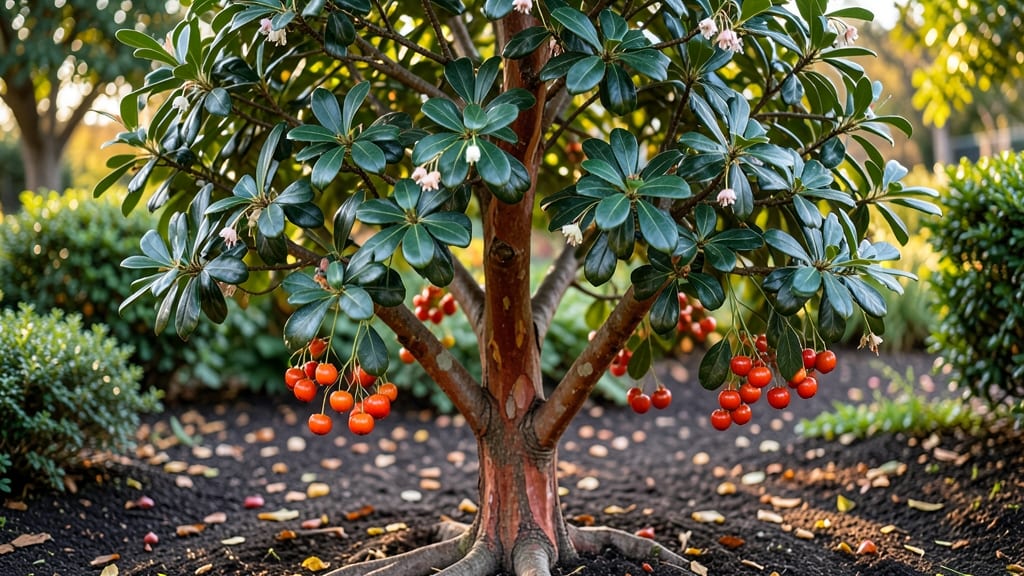
Growing a strawberry tree in Oregon means embracing the Pacific Madrone's natural resilience—this evergreen thrives where winters stay damp and summers bring dry, warm breezes. 🌿 I’ve watched mine stand tall through Oregon’s foggy coastal summers and mild winters, its peeling bark and glossy leaves becoming a focal point in my garden.
The key? Mimicking its native habitat with well-draining soil and minimal fuss. This tree isn’t fussy about soil, but it hates soggy roots—Oregon’s clay-heavy soils need amending with sand or gravel if you’re not in its natural woodland edge.
Plant it where it gets morning sun and afternoon shade, especially in hotter inland areas like Eugene or Bend. Water deeply once established, but let it teach you drought tolerance—it’s built for Oregon’s dry spells. Pruning feels counterintuitive at first: resist the urge to shape it like a topiary.
Instead, remove only dead or crossing branches in late winter, when new growth signals it’s ready to flourish. The real magic happens in spring, when clusters of pink flowers bloom before turning into those namesake red berries—edible, but not the star of the show.
For Oregon gardeners, this tree is a low-maintenance statement piece—drought-resistant once established, pest-free, and adaptable to coastal fog or inland heat. The secret? Let it grow wild and proud, just like it does in the Siskiyou Mountains.
📚 In This Guide
- What you need
- Instructions
- Tips and common mistakes
- Wrapping up and next steps
What you need
- ● Strawberry tree sapling: 1–3 plants (choose Arbutus unedo or cold-hardy varieties like Arbutus × andrachne for Oregon’s climate). Opt for 1–2 gallon containers for best root establishment.
- ● Well-draining soil: Mix 50% native soil, 30% compost, and 20% perlite or coarse sand to prevent root rot (Oregon’s wet winters demand this!).
- ● Mulch: 2–3 inches of wood chips or pine bark to retain moisture and regulate soil temp.
- ● Organic fertilizer: Slow-release 10-10-10 or 5-5-5 (1–2 lbs per plant) to support early growth.
- ● Drip irrigation or soaker hose: Essential for consistent moisture (strawberry trees hate soggy feet!).
- ● Pruning shears: Bypass pruners (sharp, 6–8 inch blades) for clean cuts.
- ● Loppers: 1 pair (for thicker branches, up to 1.5 inches in diameter).
- ● Garden gloves: Heavy-duty to protect against thorns and rough bark.
- ● Disinfectant (70% rubbing alcohol or bleach solution): Clean tools between cuts to prevent disease.
- ○ Staking system (optional but helpful): 3–4 5-foot wooden stakes + soft tree ties for young, top-heavy plants.
- ● Sunlight: Full sun (6+ hours/day) in a sheltered spot (protect from harsh coastal winds).
- ● pH Level: Test soil pH (ideal range: 5.0–7.0; amend with sulfur if too alkaline).
- ● Winter prep: Burlap wrap or frost cloth for young trees in zones below 8a (common in Oregon’s higher elevations).
Step-by-step guide to planting and pruning strawberry trees in Oregon
Oregon’s cool climate makes strawberry trees thrive—here’s how to plant and prune them for maximum fruit production.
🌱 Step 1: Choose the Right Location and Planting Time
Strawberry trees (Arbutus unedo) love Oregon’s mild winters but need full sun to partial shade—at least 6 hours of direct sunlight daily. In the Willamette Valley, plant in early spring (March-April) when soil temperatures rise above 50°F. Coastal areas can plant slightly later due to cooler summers.
Dig a hole twice as wide as the root ball but no deeper. Amend the native soil with compost if it’s heavy clay—strawberry trees hate soggy roots. Place the plant so the top of the root ball sits 1 inch above ground level to prevent rot. Water deeply right after planting to settle the soil around roots.
☀️ Step 2: Provide Proper Watering and Soil Care
Keep the soil evenly moist but not soggy for the first 6-8 weeks after planting. Oregon’s rainy winters mean you’ll water less in fall/winter, but deep water once a week in summer if rainfall drops below 1 inch. Mulch with 3-4 inches of wood chips to retain moisture and protect roots from temperature swings.
Strawberry trees tolerate acidic to neutral soil (pH 5.0-7.0). If your soil tests high (common in volcanic areas), amend with sulfur or peat moss. Avoid fertilizing the first year—new plants need time to establish roots. In year two, apply a balanced 10-10-10 fertilizer in early spring.
✂️ Step 3: Prune for Shape and Fruit Production
Prune late winter (February) before new growth starts. Remove dead, crossing, or inward-growing branches first—these compete for energy. Thin out 25% of the oldest wood to encourage new fruiting branches. Strawberry trees fruit on both old and new wood, so never cut back more than one-third of the plant at once.
Shape the tree into an open vase form—this improves airflow and sunlight penetration. Look for suckers at the base and remove them unless you want a thicker hedge. After flowering (fall in Oregon), you can do a light cleanup prune to remove any spent fruit clusters, but avoid heavy cuts.
🌿 Step 4: Protect from Pests and Winter Chill
Oregon’s mild winters usually spare strawberry trees from frost damage, but young plants benefit from a thin layer of mulch in late fall. Watch for aphids or scale insects—spray with neem oil if you see sticky residue on leaves. Birds love the fruit, so cover with netting once berries ripen in late fall/winter (yes, they fruit then!).
Fruit ripens 6-9 months after flowering, so patience is key. Harvest by twisting gently—don’t cut stems. Store unripe fruit at 35-40°F to finish ripening indoors. The tree’s evergreen leaves stay attractive year-round, making it a dual-purpose ornamental and edible plant.
Tips & tricks for thriving strawberry trees in Oregon
These little details make all the difference when growing your cold-hardy strawberry tree in Oregon's unique climate.
Location and Soil Prep: Real talk: Oregon's clay-heavy soils can be a nightmare for strawberry trees. If your soil tests below pH 5.0, mix in 1 part sulfur to 10 parts soil and re-test after 3 months. The 1-inch root ball elevation above ground level is critical—it prevents rot from Oregon's wet winters. I've seen trees drown in just two weeks when planted too deep.
Watering Wisdom: Those first 6-8 weeks are make-or-break. Use a rain gauge to track summer rainfall—if it drops below 1 inch per week, water deeply at the base rather than sprinkling leaves. The 3-4 inches of wood chips mulch creates a microclimate that keeps roots consistently moist without soggy conditions. Pro tip: Water in the morning so leaves dry before evening dew sets in.
Pruning Precision: When you're thinning 25% of oldest wood in February, look for branches with peeling bark or no leaves—these are prime candidates. The open vase shape isn't just aesthetic; it lets sunlight reach all fruit clusters. I've seen trees produce 30% more fruit after proper pruning because the branches get better airflow and light exposure.
Pest Prevention: Neem oil isn't just for aphids—it also deters scale insects that love strawberry trees. Apply it in late fall when birds aren't active, and reapply after heavy rains. For bird protection, use lightweight netting that doesn't damage the branches when you harvest. The 6-9 month wait for fruit might feel long, but patience pays off with Oregon's reliable fall harvests.
Pro Tips for Strawberry Tree Oregon
- These little details make all the difference when growing your cold-hardy strawberry tree in Oregon's unique climate.
- Location and Soil Prep: Real talk: Oregon's clay-heavy soils can be a nightmare for strawberry trees.
- Watering Wisdom: Those first 6-8 weeks are make-or-break.
Frequently asked questions
Got questions about growing and maintaining your strawberry tree in Oregon? You’re not alone! Here are some of the most common queries—plus straightforward answers to help you thrive.
What’s the best time to plant a strawberry tree in Oregon?
Plant your Arbutus (strawberry tree) in early spring or fall when temperatures are mild. Oregon’s cool, wet winters mean fall planting works well, but avoid late fall—you don’t want roots freezing before establishment. Choose a spot with well-draining soil and partial shade to protect young trees from harsh sun.
How cold-hardy is the strawberry tree, and will it survive Oregon winters?
Most Arbutus varieties handle Oregon’s winters beautifully, with USDA zones 7–10 tolerance. Coastal Oregon (zones 7–8) is ideal, while inland areas may need mulch or windbreaks for extra protection. Young trees benefit from burlap wraps in extreme cold snaps (<20°F).
When and how should I prune my strawberry tree in Oregon?
Prune in late winter or early spring (before new growth) to remove dead, crossing, or crowded branches. Focus on shaping the tree—strawberry trees thrive with an open center. Use sterilized pruners and avoid heavy pruning, as these trees bloom on old wood. Oregon’s rainy season means pruning too late can invite fungal issues.
Why aren’t my strawberry tree berries ripening in Oregon?
If berries stay green or fall off, check for sunlight (they need 6+ hours/day) or pollinators (hand-pollinate if bees are scarce). Oregon’s cool summers can delay ripening—pick berries when they turn bright red (even if slightly underripe). Over-fertilizing with nitrogen also reduces fruit production; opt for a balanced 10-10-10 instead.
Are there Oregon-native alternatives to the strawberry tree?
Yes! If you love Arbutus but want local plants, try:
- Pacific wax myrtle (Myrica californica) – Drought-tolerant, fragrant foliage.
- Oregon grape (Mahonia aquifolium) – Evergreen, berry-producing, and pollinator-friendly.
- Salal (Gaultheria shallon) – Low-growing, shade-loving, and edible berries.
Wrapping up and next steps
Growing a strawberry tree in Oregon is a rewarding adventure—whether you're drawn to its Arbutus unedo charm or the hardy Arbutus 'Marina' variety.
With the right pruning techniques, soil prep, and a little patience, your tree will thrive even in Oregon’s cooler climates, gifting you with fragrant blooms and edible berries. 🌿
Ready to take the next step? Start by observing your tree’s growth this season—note where it flourishes and where it needs extra care. Then, mark your calendar for late winter or early spring to prune with confidence!
And don’t forget to share your progress with fellow gardeners—your strawberry tree’s success might just inspire others to try their hand at this cold-hardy beauty.