
Pruning
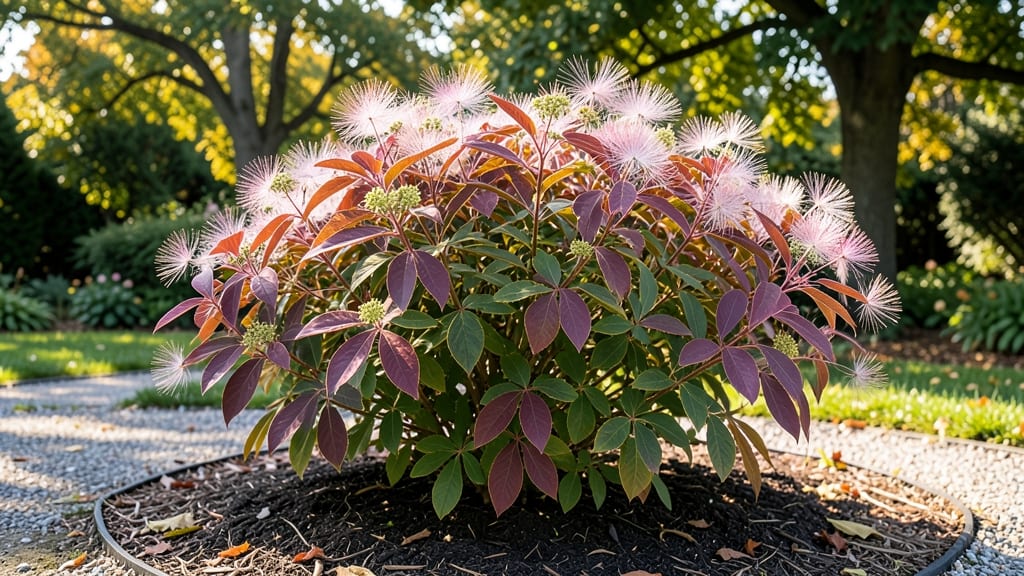
Your garden could be a living watercolor painting—smoke tree colors transform ordinary spaces into seasonal masterpieces with just a few strategic cuts. 🌿 I’ve watched my purple smoke tree shift from soft pink spring foliage to deep burgundy by fall, and it never needs heavy pruning to keep that drama alive.
The key is understanding how light and air shape those vibrant hues, and I’ll show you exactly how to work with—not against—their natural instincts.
The magic happens when you prune after the color peaks in fall, shaping the branches to open up the center for better airflow. This isn’t about shearing into a perfect shape—it’s about sculpting the plant to show off its foliage like a gallery display.
Pair it with silvery lamb’s ear or deep green boxwood, and you’ll get a year-round color conversation that never fades. Even in winter, the branches add texture to bare landscapes.
By spring, your smoke tree will reward you with fresh growth that starts as soft pink, deepening into the rich tones that make it a garden star. The best part? It thrives on neglect—just a light trim keeps it looking intentional, not overworked.
Imagine that vibrant purple cloud anchoring your border, drawing eyes like a natural magnet. We’ll cover the exact timing and tools to make it happen without stress.
This works for small urban gardens or sprawling landscapes—smoke trees adapt beautifully to different spaces. Whether you’re creating a focal point or layering color, the techniques stay the same. Let’s get those branches glowing with minimal effort and maximum impact.
📚 In This Guide
- What you need
- Instructions
- Tips and common mistakes
- Wrapping up and next steps
What you need
- ● Smoke trees (Cotinus spp.) – Choose varieties like Royal Purple, Grace, or Golden Spirit for vibrant foliage.
- ● Pruning shears – Bypass pruners (sharp, 6-8" blades) for clean cuts.
- ● Loppers – For thicker branches (1.5"–2" diameter).
- ● Gloves – Heavy-duty, cut-resistant gloves to protect hands.
- ● Disinfectant (70% isopropyl alcohol or pruning sealant) – Prevents disease spread.
- ○ Garden twine or plant ties – Optional, for securing young branches.
- ● Hand pruners (felco or similar) – For precision trimming.
- ● Extension pole saw – For high branches in mature trees.
- ● Mulch (wood chips or pine straw) – Enhances soil health and moisture retention.
- ● Fertilizer (balanced 10-10-10 or slow-release) – Boosts foliage vibrancy (apply in early spring).
- ● Reflective or colored stakes – Helps visualize pruning shapes.
How to achieve smoke tree colors all year with minimal effort
Here’s the straightforward approach I’ve used to keep smoke trees vibrant—no heavy pruning, just smart care.
☀️ Step 1: Plant in the Right Spot for Natural Color Drama
Smoke trees thrive in full sun to partial shade—at least 6 hours of direct sunlight daily for the best fall color. I plant mine where they get morning sun and afternoon shade in hot climates; this prevents leaf scorch while keeping foliage rich.
Check your yard’s sun patterns first. Move a chair to the spot for a week and mark sun/shade times with a marker on a stick. Smoke trees tolerate a wide range of soils, but well-draining soil prevents root rot. If your soil stays soggy, amend with 2-3 inches of compost before planting.
🪴 Step 2: Water Deeply but Infrequently
Once established, smoke trees are drought-tolerant, but young plants need deep watering once a week during dry spells. Water at the base until soil is moist 12 inches down—this encourages deep root growth. You’ll know it’s right when water runs out the drainage holes after 10-15 minutes.
Overwatering is the biggest mistake. Yellowing leaves? That’s your cue to cut back. Let the top 2-3 inches of soil dry out between waterings. Mulch with 2-3 inches of wood chips to retain moisture and regulate temperature—just keep mulch 6 inches away from the trunk to prevent rot.
✂️ Step 3: Prune Only When Necessary
Smoke trees need minimal pruning—just remove dead, diseased, or crossing branches in late winter or early spring. Use clean, sharp pruners to make cuts just above a leaf node. This keeps the tree’s natural shape while encouraging new growth.
If your tree looks leggy, you can lightly prune to shape it in early spring, but never cut more than 25% of the foliage at once. The goal is to maintain the airy, wispy branches that give smoke trees their signature look. Avoid heavy pruning in fall—it stresses the plant before winter.
🌿 Step 4: Fertilize Lightly for Richer Foliage
Feed smoke trees once a year in early spring with a balanced, slow-release fertilizer (10-10-10 or similar). Sprinkle the fertilizer evenly around the drip line—the area where branches extend—and water it in deeply. This encourages lush, colorful foliage without overstimulating growth.
Skip fertilizer if your tree looks healthy. Too much nitrogen leads to weak stems and less vibrant fall colors. If leaves turn yellow between veins, that’s a sign of over-fertilizing. Just water more and hold off on feeding for a season.
⏰ Step 5: Protect in Winter for Year-Round Color
Smoke trees are hardy in USDA zones 5-9, but young trees or harsh winters may need protection. Wrap the trunk with burlap if temps drop below 10°F to prevent sunscald. In zones 5-6, add a 4-6 inch layer of mulch around the base for insulation.
No need for heavy winter care—just keep an eye on moisture. Snow acts as natural mulch, so water only if the ground stays frozen for weeks. In spring, remove any winter wraps or mulch to allow airflow and prevent rot.
Tips & tricks for perfect smoke tree colors
Here’s what I’ve learned after keeping smoke trees vibrant for years—these small details make all the difference.
Sunlight Strategy: That 6 hours of daily sun is non-negotiable for fall color, but here’s the trick: if your climate gets intense afternoon sun, position your tree to catch morning sunlight instead. I’ve seen trees in hot zones thrive with morning sun and afternoon shade—this prevents leaf scorch while maintaining that rich foliage color we all want.
Watering Wisdom: The 10-15 minute watering time might seem short, but it’s about depth, not duration. Use a moisture meter to check that 12-inch depth—if it’s still dry after 15 minutes, you need to water longer. And here’s a pro move: water in the morning so leaves dry quickly, preventing fungal issues that dull those beautiful colors.
Pruning Precision: When shaping leggy branches in early spring, focus on creating an open canopy. The goal is to let sunlight penetrate to lower branches—this is what keeps those signature smoke tree colors vibrant all season. I cut back just enough to maintain that airy, wispy look while encouraging new growth from the base.
Winter Protection: For that 10°F threshold, I’ve found burlap wraps work best when applied loosely—too tight and you’ll restrict growth. In zones 5-6, that 4-6 inch mulch layer should extend beyond the drip line. Pro tip: use straw mulch instead of wood chips in winter—it insulates better and breaks down slower, keeping roots warmer longer.
Pro Tips for Smoke Tree Colors
- Here’s what I’ve learned after keeping smoke trees vibrant for years—these small details make all the difference.
- Sunlight Strategy: That 6 hours of daily sun is non-negotiable for fall color, but here’s the trick: if your climate gets intense afternoon sun, position your tree to catch morning sunlight instead.
- Watering Wisdom: The 10-15 minute watering time might seem short, but it’s about depth, not duration.
Frequently asked questions
about smoke tree colors and their stunning year-round foliage—plus how to keep them thriving with minimal effort!Why do smoke trees change color so dramatically?
Smoke trees (like Cotinus species) produce vibrant foliage due to their unique leaf structure and pigments. Their leaves contain anthocyanins (red/purple hues) and chlorophyll (greens), which shift with sunlight, temperature, and seasonal changes. The "smoky" effect comes from tiny hair-like structures that catch light, creating a shimmering, ethereal glow.
When is the best time to prune for optimal color?
Prune smoke trees late winter or early spring (before new growth starts) to encourage fresh, colorful foliage. Avoid heavy pruning in fall—it can reduce next year’s vibrant hues. For minimal upkeep, trim only to shape or remove dead branches. Pro tip: Use clean, sharp shears to prevent disease and stress the plant.
How do I keep my smoke tree’s colors vibrant year-round?
Sunlight is key! Plant smoke trees in full sun (6+ hours/day) for the most intense colors. Well-draining soil and moderate watering (avoid soggy roots) also help. Mulch around the base to retain moisture and nutrients. In colder climates, their colors may fade slightly in winter but bounce back in spring.
Can I grow smoke trees in containers?
Yes! Dwarf varieties like Cotinus ‘Royal Purple’ thrive in containers (15+ gallon pots). Use a fast-draining potting mix and repot every 2–3 years. Place containers in sunny spots and water when the top inch of soil is dry. Just ensure the pot has drainage holes to prevent root rot.
Why are my smoke tree leaves turning yellow or brown?
Yellowing leaves often signal overwatering or poor drainage. Brown edges or crispy leaves? Likely underwatering or heat stress. Check soil moisture and adjust care. Pest issues (like spider mites) can also cause browning—spray with water or insecticidal soap if needed.
Wrapping up and next steps
Smoke trees are the ultimate low-maintenance stars of your garden, delivering stunning year-round color with just a little care. Their dramatic foliage—from deep purples to silvery blues—requires minimal pruning, making them perfect for busy gardeners.
Whether you’re a pruning pro or a beginner, these trees offer effortless beauty and resilience.
Ready to transform your landscape? Grab your tools, follow the steps above, and enjoy the showstopping results! For extra inspiration, browse smoke tree varieties or join gardening forums to share your progress. Happy pruning! 🌿✨